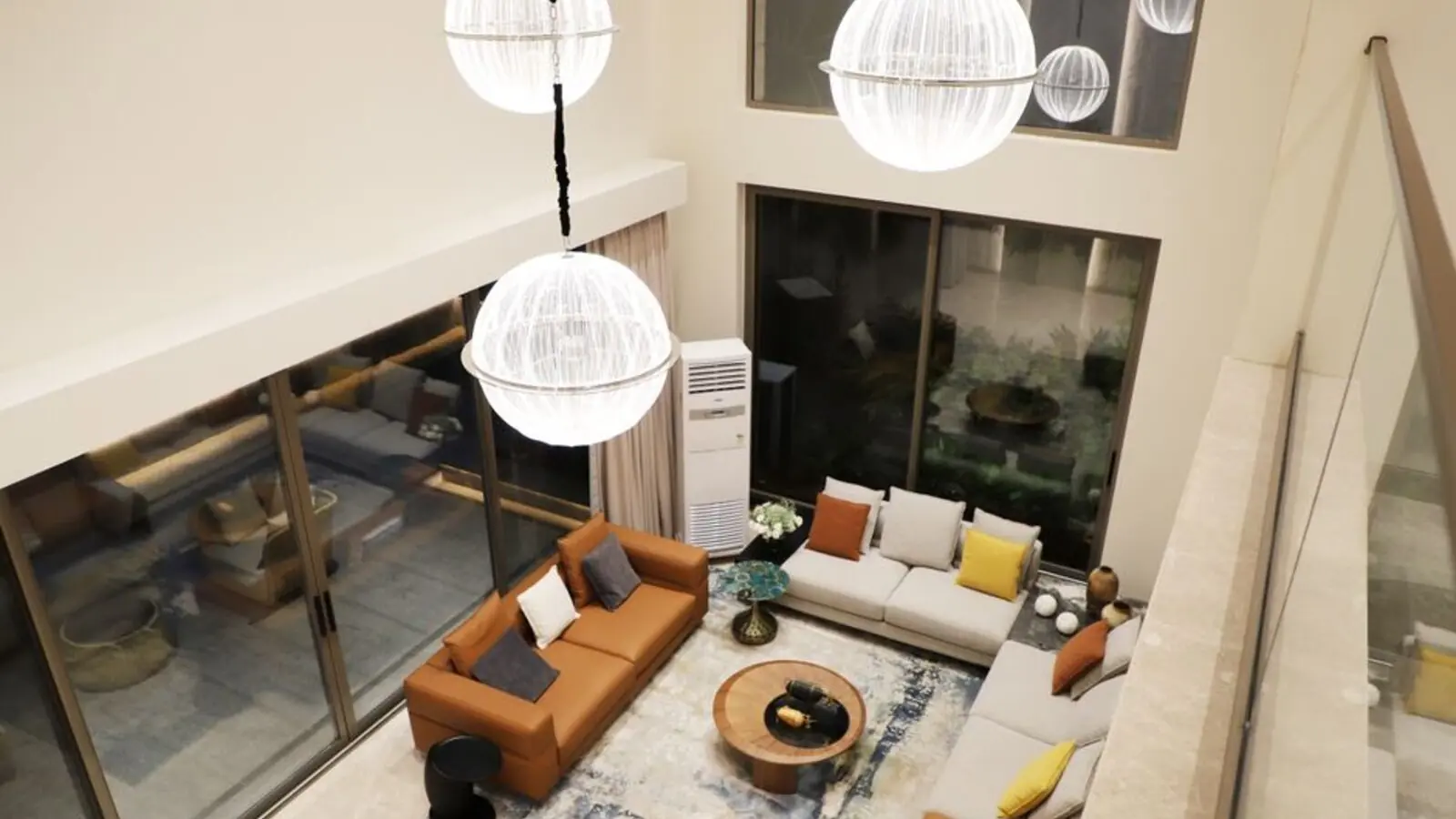
Airport, Atal Setu and metro expansion are turning Navi Mumbai into MMR's fastest-growing address.
Explore NowFor over a decade, Navi Mumbai International Airport (NMIA) existed only as a line item in brochures. That changed decisively when the airport was formally inaugurated on October 8, 2025, with commercial domestic flights beginning on December 25, 2025, handling 23 scheduled daily departures in the first month before scaling up. In the first month, the airport operated for 12 hours between 08:00 hrs and 20:00 hrs, handling 23 scheduled daily departures, before transitioning to round-the-clock operations from February 2026, expanding to 34 daily departures. International passenger operations followed soon after, with international passenger operations scheduled to begin on 15 July 2026, starting with a limited number of carriers and routes before expanding.
The second big lever is the Mumbai Trans Harbour Link, popularly known as Atal Setu. The MTHL, also called Atal Setu, is a 22-km sea bridge connecting Sewri (Mumbai) to Nhava Sheva (Navi Mumbai), and completed in 2024-2025, it has reduced travel time from 60+ minutes to just 20-25 minutes. This single infrastructure piece has done more to collapse the psychological distance between South Mumbai and Navi Mumbai's fringe nodes than any marketing campaign could. The MTHL has already led to significant appreciation in property prices, particularly in areas like Ulwe and Panvel, and properties that were previously considered remote are now within easy commute distance of South Mumbai and Central Mumbai business districts.
Metro connectivity is the third piece falling into place. Navi Mumbai Metro Line 1, running from Belapur to Khandeshwar, is operational in its first phase, and CIDCO is now extending it further. Plans are already underway for Metro Line 2 (Pendhar to eastern NMIA) and Line 8 (NMIA to Mumbai's CSMIA), which will cut airport-to-airport travel time via key urban nodes like Vashi, Nerul, and Kurla. The regional Gold Line adds real scale to this vision: the state has approved the 34.9-km Line 8 at an estimated Rs 22,862 crore, with the corridor planned across 20 stations combining elevated and underground sections, expected to carry about 9.82 lakh passengers daily by 2031.
The price data is now backing up the infrastructure story rather than just anticipating it. The airport and infrastructure boom has pushed prices up 15-25% across the region in 2026. Ulwe, sitting closest to the new terminal, has seen the sharpest re-rating: property prices in Ulwe have approximately doubled between 2021 and 2026 in several sectors, mainly due to airport development, improved connectivity, and rising investor demand. Taloja, long seen as an affordable fringe pocket, is now catching up fast on the back of metro accessibility: Square Yards Data Intelligence shows Taloja at an average asking price of Rs 12,600 per square foot in March 2026, up from Rs 8,900 psf in June 2025, a 14.44% quarter-over-quarter increase in the latest reported period.
Transaction volumes tell the same story as asking prices. Mumbai Metropolitan Region registrations hit a 13-year high in April 2026, crossing 12,000 units in a single month, with stamp duty collections of over ₹1,100 crore — up 5% on the year before. Analysts tracking the region note this isn't speculative froth: growth in the emerging corridors has run between 8% and 15% year-on-year — a pace backed by real, operating infrastructure rather than speculation, including a metro network that's now partly functional rather than perpetually 'upcoming.'
What does this mean going forward? Industry voices tracking the airport corridor see the momentum continuing well into 2027. The airport's operational ramp-up through 2027 is expected to create a secondary wave of commercial demand in Panvel, particularly for logistics, hospitality, and airport-support services. For homebuyers, the practical takeaway is that the wait-and-watch phase is largely over. As one recent market analysis put it bluntly, waiting for a "dip" in this infrastructure-driven cycle carries more risk than opportunity, given that CIDCO's calibrated land supply and three now-operational mega projects are structurally supporting values rather than just promising future upside.
For buyers evaluating Navi Mumbai against other MMR and NCR growth corridors, the lesson is a familiar one: infrastructure that has actually gone live — not just been announced — is what moves prices sustainably. Smart World, known for building well-connected, amenity-rich homes across Gurugram's high-growth corridors, understands this pattern well; the same logic of buying ahead of operational infrastructure has historically rewarded early movers in nodes like Dwarka Expressway and Golf Course Extension Road.
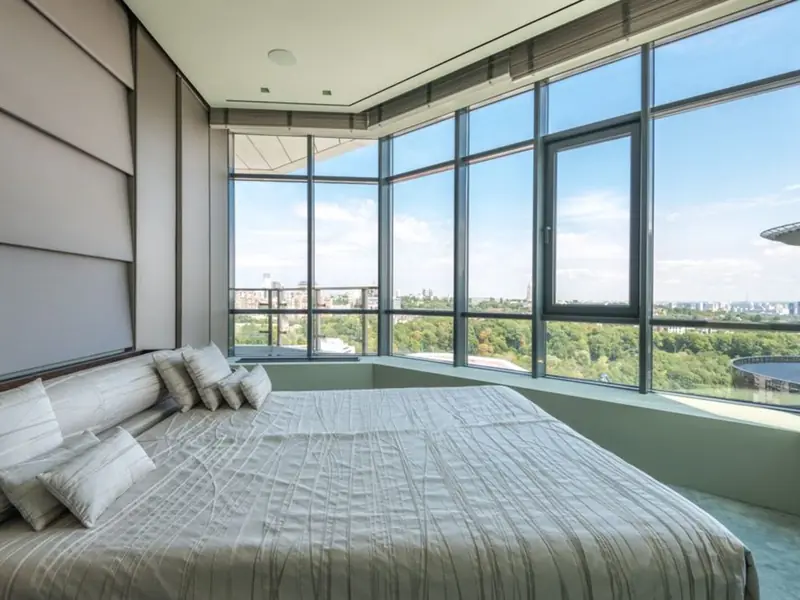

Sector 111, Dwarka Expressway, Gurugram
2.5, 3.5 BHK • Price on Request
Low-rise floors on Dwarka Expressway
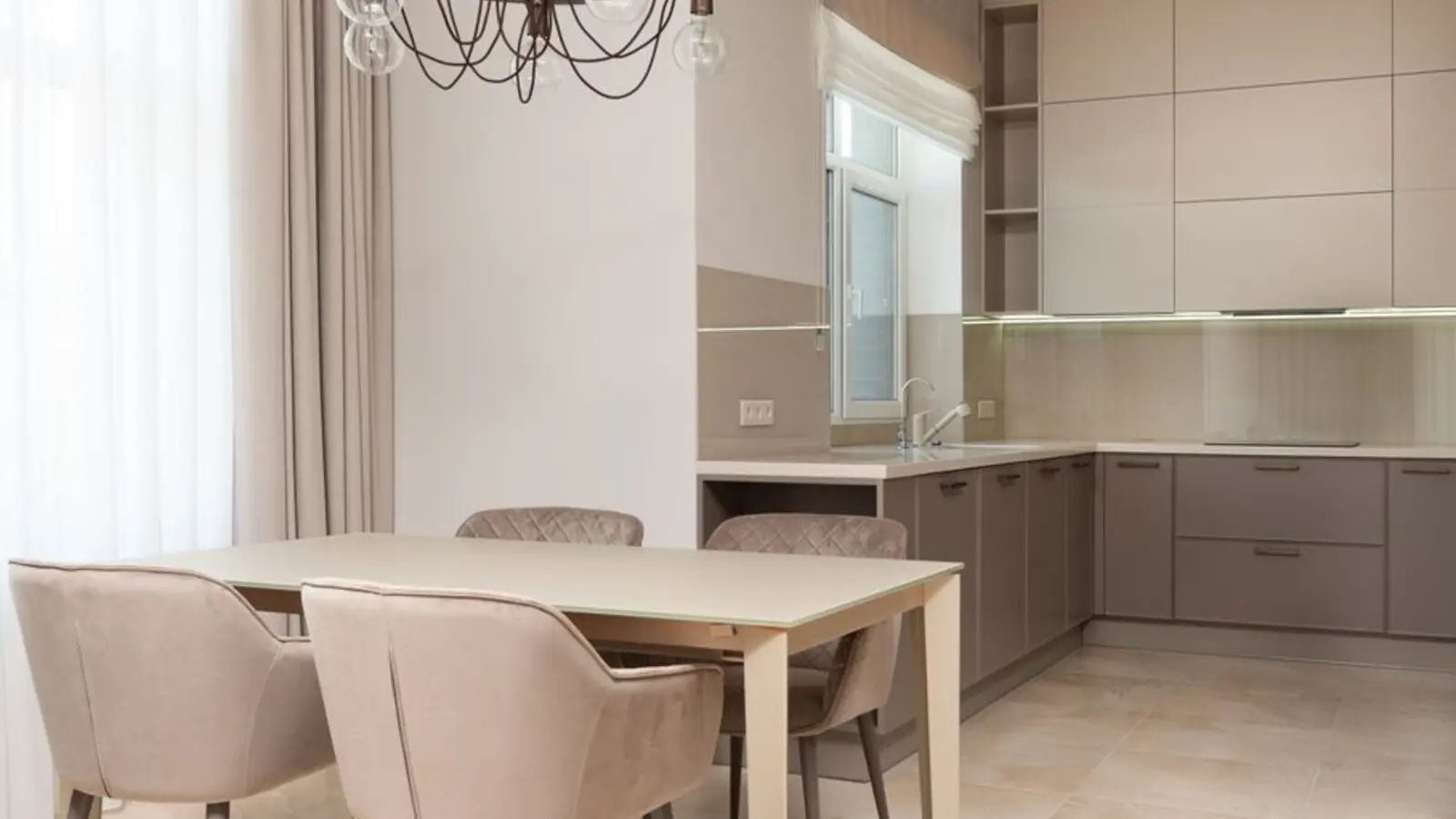
Sector 128, Noida
3, 4 BHK • Price on Request
73-acre pre-launch on Noida Expressway
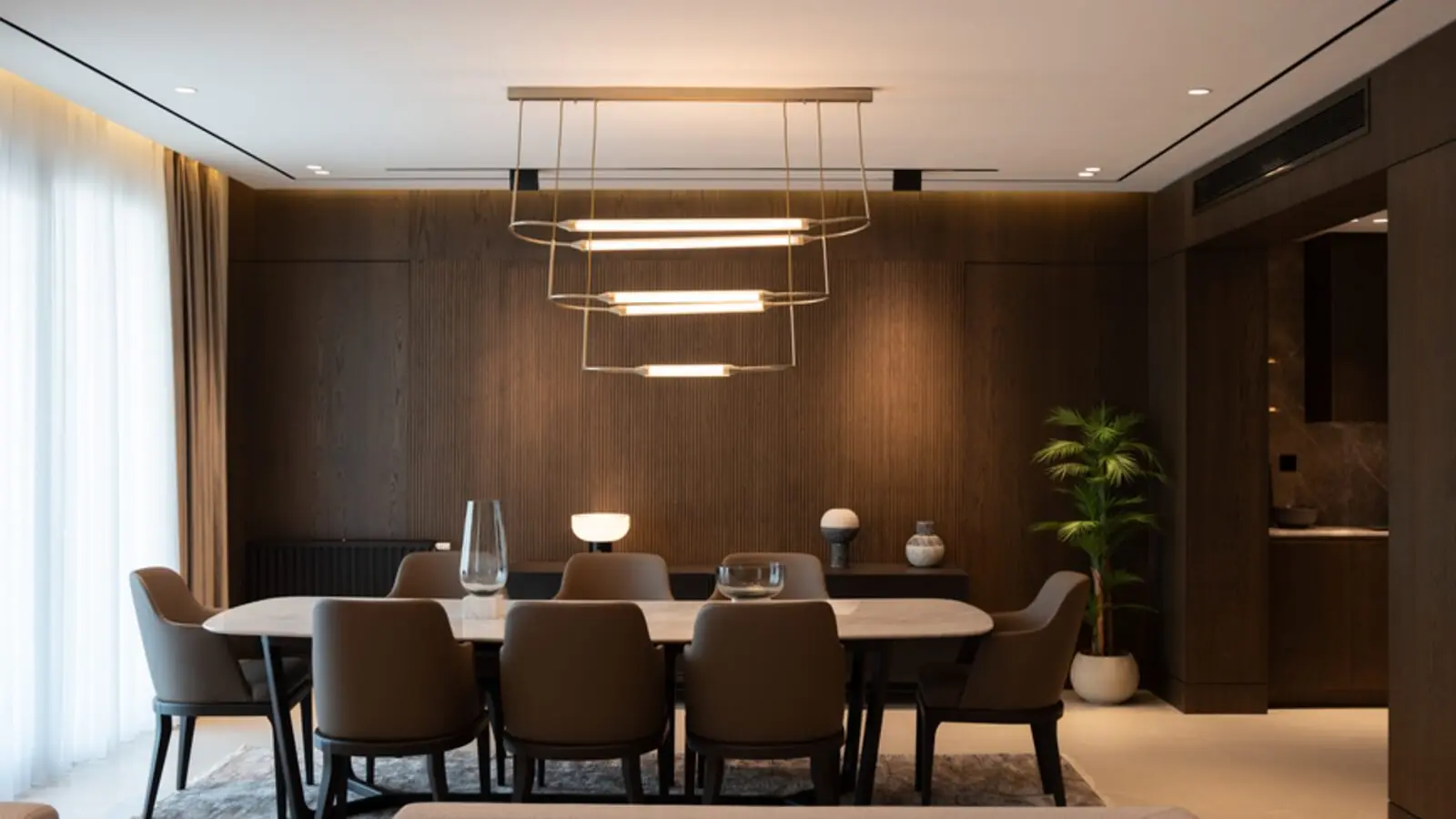
Sector 62, Golf Course Extension Road, Gurugram
2.5, 3 BHK • Rs 3.30 Cr onwards
Upcoming luxury launch off Golf Course Extension Road
Sector 94, Noida
2, 3, 4 BHK • Price on Request
Pre-launch high-rise on Noida Expressway
Sector 96, Noida
3, 4 BHK • Rs 3.50 Cr onwards
Upcoming expressway-facing luxury towers
Sector 97, Noida
3, 4 BHK • Price on request
6-acre expressway-facing luxury address

Sector 69, Gurugram
3, 4 BHK • Price on Request
ELIE SAAB signature branded residences

Sector 67A, Gurgaon
2, 3 BHK • Rs 2.40 Cr onwards
6-acre pre-launch development
For information only — this is not an offer and creates no obligation. Prices, layouts, and photos are indicative and can change anytime. Do your own verification before making a decision. About · Projects
Share your details and our expert will call you back.