Airport-driven skyline, golf-course townships, and smart homes redefining Navi Mumbai's next chapter.
Explore NowNavi Mumbai has shifted from being Mumbai's planned satellite to one of India's most watched real estate corridors. The city's transformation is being led by real, operating infrastructure rather than long-pending promises. The Navi Mumbai International Airport (NMIA), inaugurated in October 2025 with commercial operations beginning December 25, 2025 and international flights following in mid-2026, has become the single biggest catalyst reshaping demand across the region. This has pulled buyers, investors, and developers into corridors that were once considered peripheral.
The city recorded strong transaction volumes recently, with 22,018 deals registered between September 2025 and August 2026, worth a combined gross value of ₹14,949 crore. This kind of activity signals deep liquidity and sustained buyer confidence across Navi Mumbai's micro-markets, from established nodes like Vashi and Nerul to emerging airport-facing belts like Ulwe, Panvel, and Taloja.
What makes this cycle different from earlier speculative phases is that growth is now anchored to infrastructure that is functional today, not just planned. The Atal Setu (Mumbai Trans Harbour Link), Navi Mumbai Metro Line 1, and multiple national highways have physically shortened the distance between Navi Mumbai and the rest of Mumbai Metropolitan Region, converting once-remote suburbs into genuine residential options for end-users and investors alike.
For a brand like SMART WORLD, known for low-density, amenity-rich living, Navi Mumbai's Taloja belt offers an ideal entry point — combining airport proximity, metro access, and comparatively accessible land pricing versus established nodes like Vashi and Seawoods.
Property rates across Navi Mumbai vary sharply by node, reflecting differing stages of infrastructure maturity. Airport-facing and emerging corridors remain relatively affordable, while established, sea-facing nodes command a significant premium.
From the golf-course green belts of Taloja to the sea-linked skyline of Vashi, each Navi Mumbai node offers a distinct lifestyle and investment proposition.
Navi Mumbai's biggest infrastructure story is the Navi Mumbai International Airport, which opened commercially on December 25, 2025 after over a decade of anticipation, with its impact spreading across clusters like Ulwe, Panvel, Kharghar, Taloja, Karanjade, New Panvel, and Dronagiri. Complementing the airport, the Atal Setu sea bridge (Mumbai Trans Harbour Link) has cut cross-harbour travel time between South Mumbai and the airport region to roughly 20-45 minutes, effectively merging the island city with its eastern counterpart. On the ground, Navi Mumbai Metro Line 1 connects CBD Belapur to Pendhar over an 11.1 km elevated stretch with 11 operational stations, easing pressure on the Sion-Panvel Highway and linking established commercial centers to emerging residential suburbs. Major national highways including NH-48, NH-348, and NH-548 further tie Navi Mumbai into the wider Mumbai-Thane-Kalyan network, while planned metro extensions toward Taloja MIDC, Kalamboli, and the airport itself promise to deepen connectivity in the years ahead.
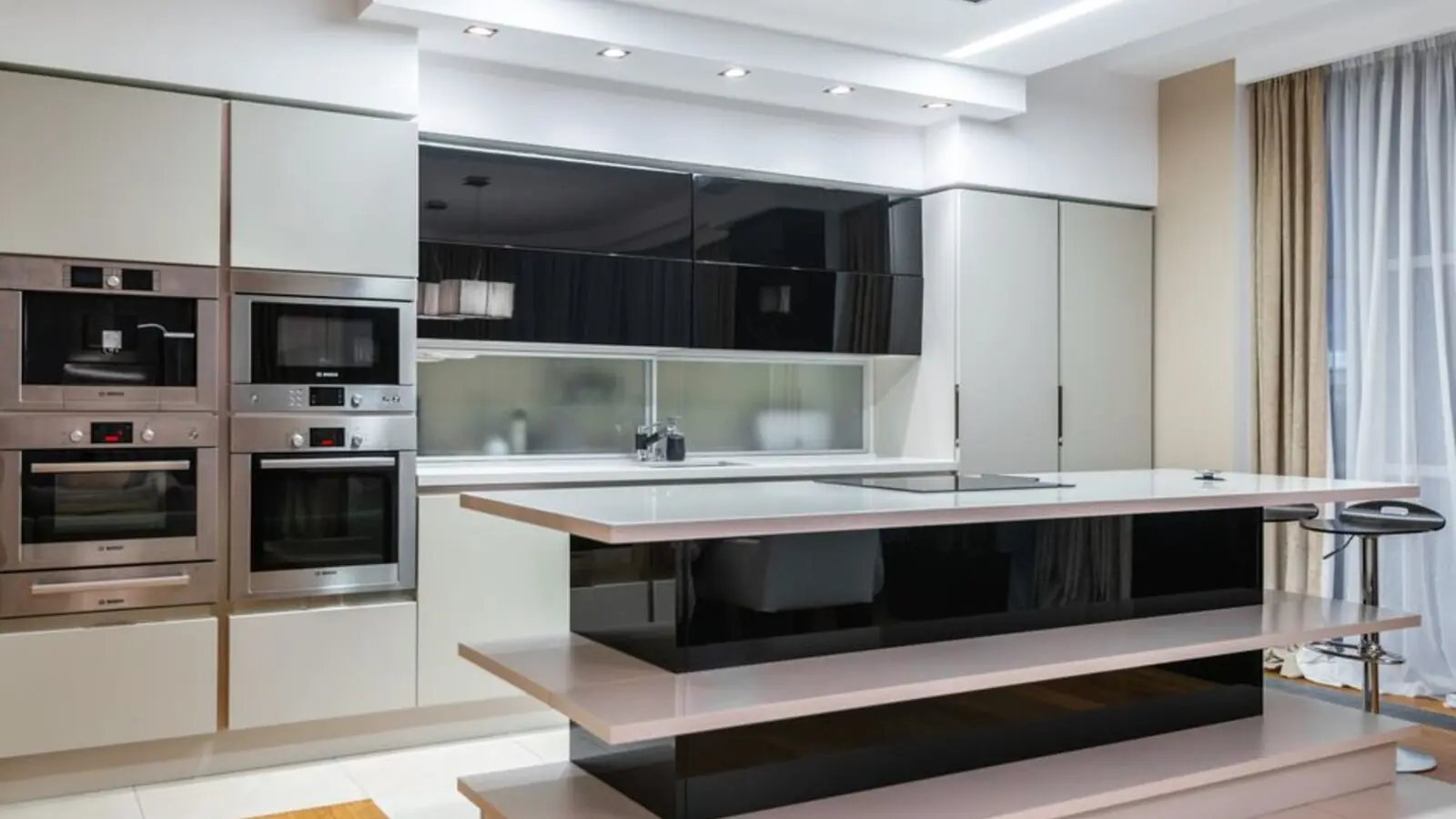
Sector 111, Dwarka Expressway, Gurugram
2.5, 3.5 BHK • Price on Request
Low-rise floors on Dwarka Expressway
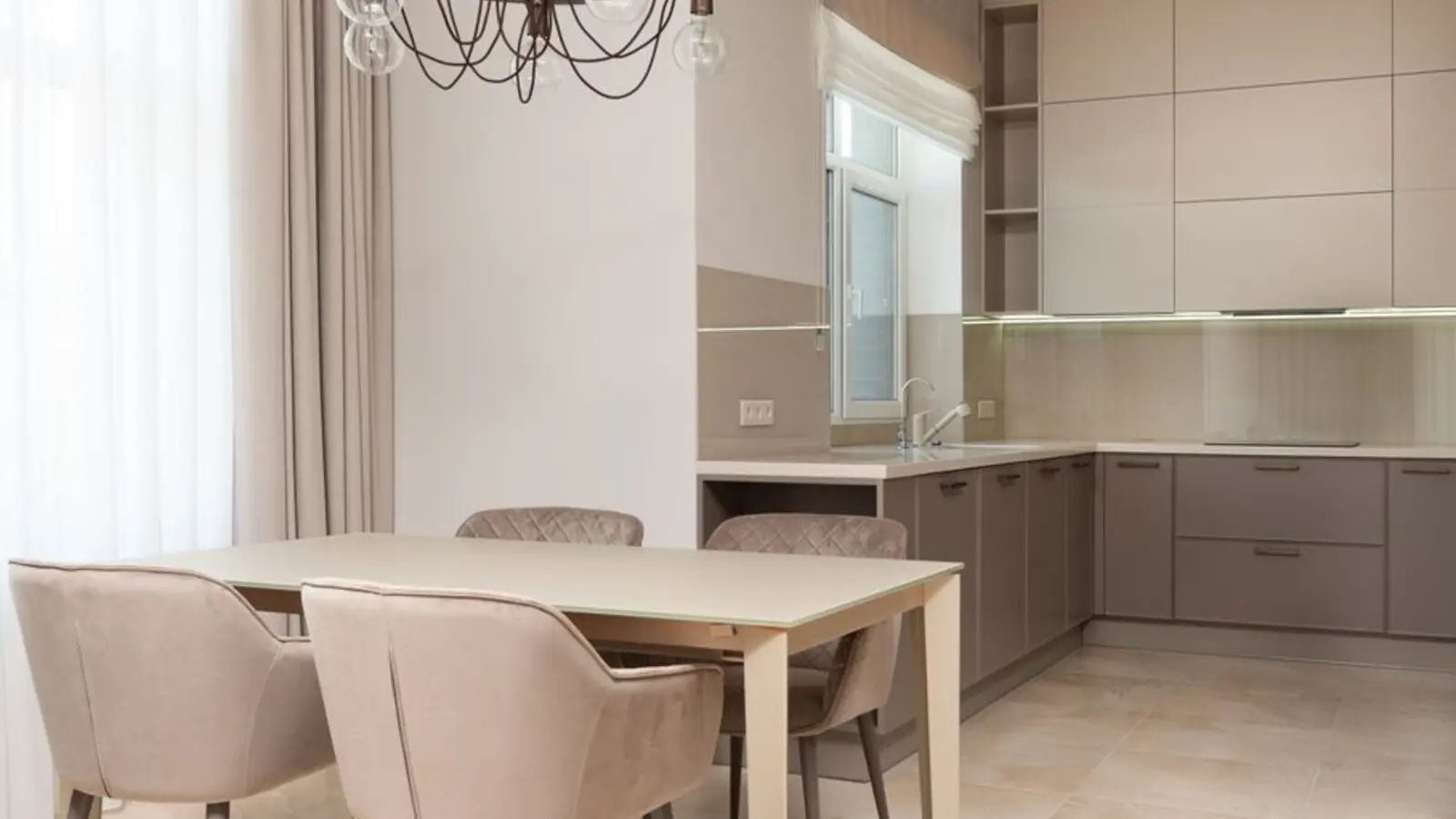
Sector 128, Noida
3, 4 BHK • Price on Request
73-acre pre-launch on Noida Expressway
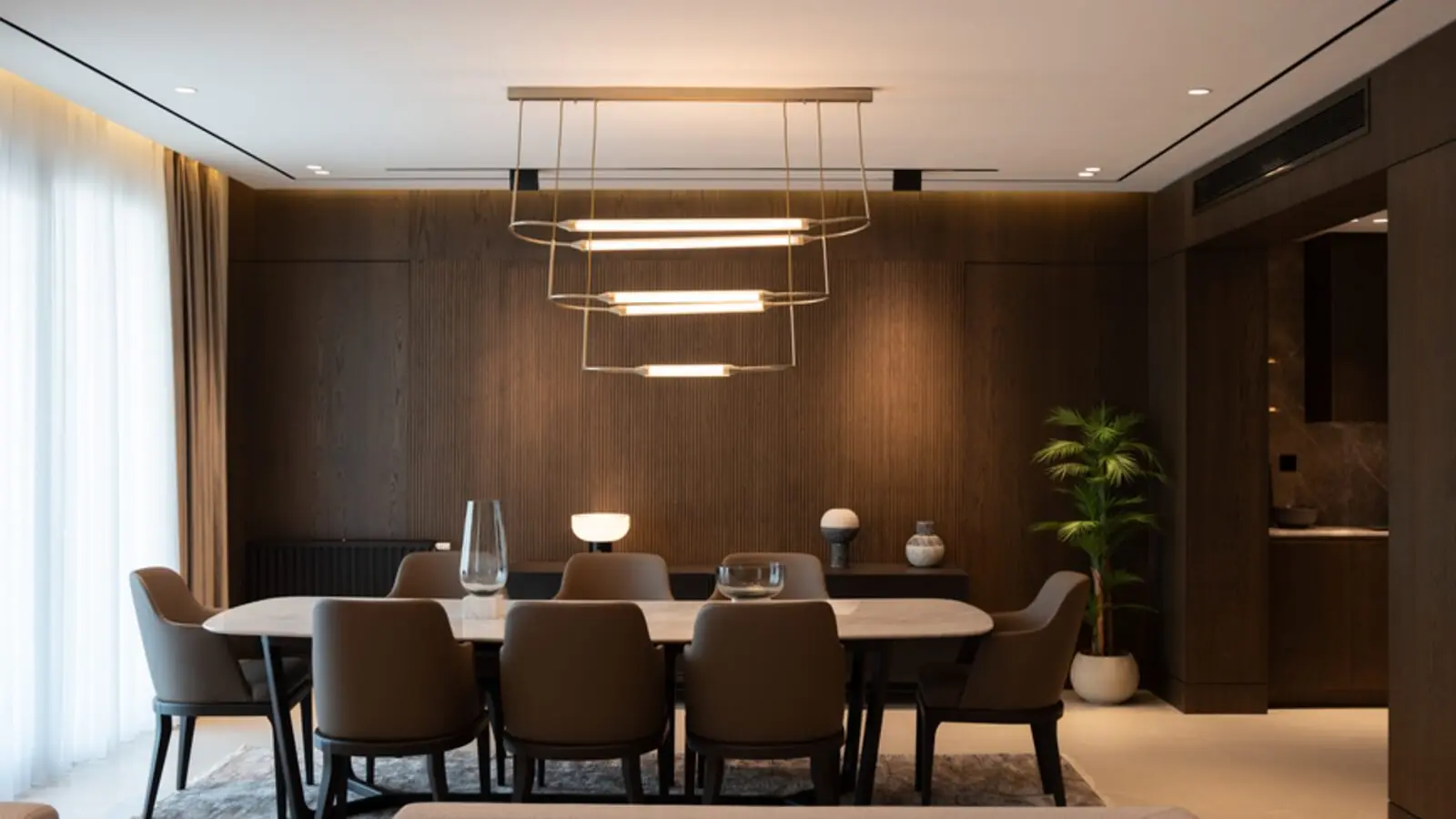
Sector 62, Golf Course Extension Road, Gurugram
2.5, 3 BHK • Rs 3.30 Cr onwards
Upcoming luxury launch off Golf Course Extension Road
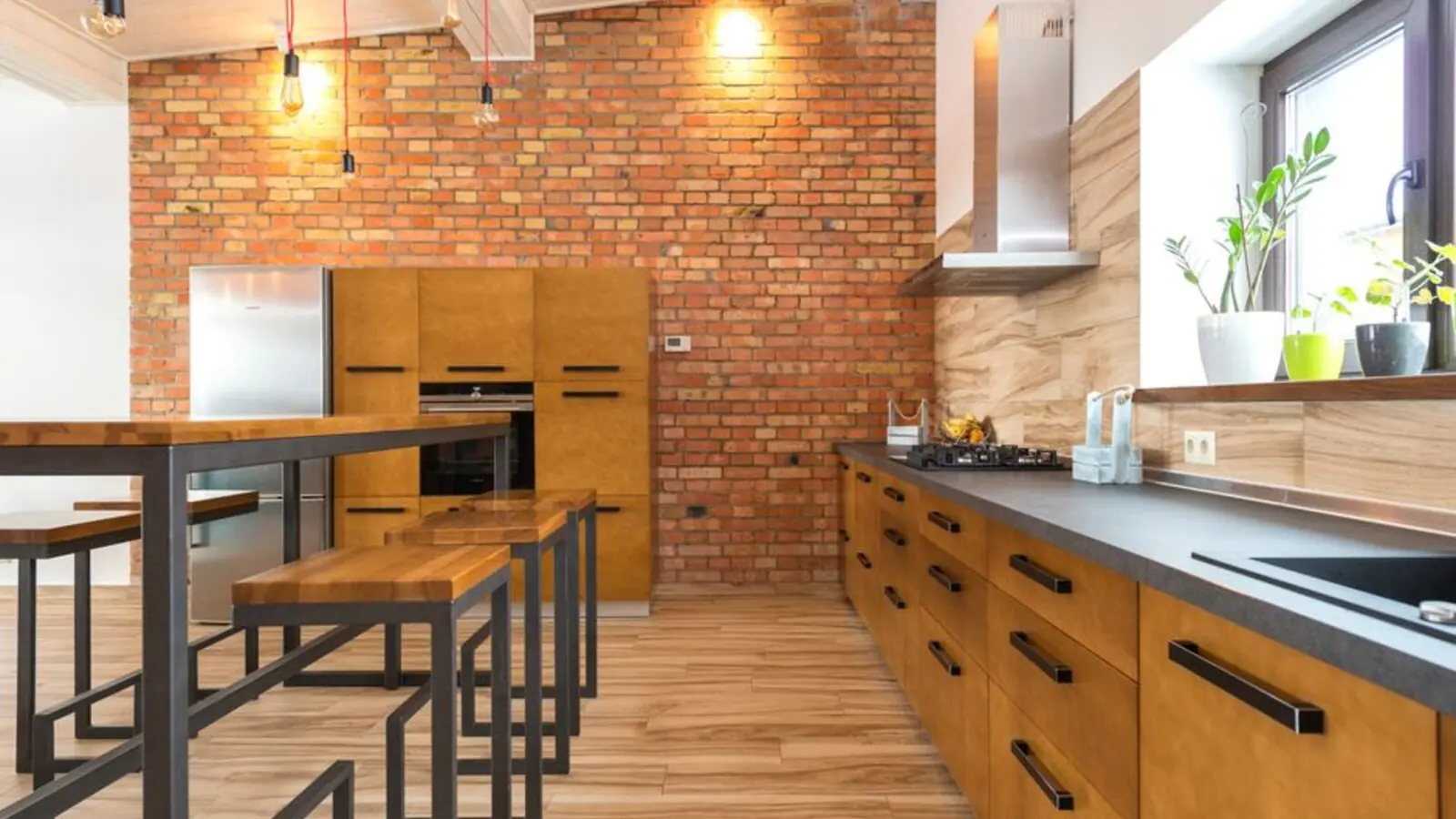
Sector 94, Noida
2, 3, 4 BHK • Price on Request
Pre-launch high-rise on Noida Expressway
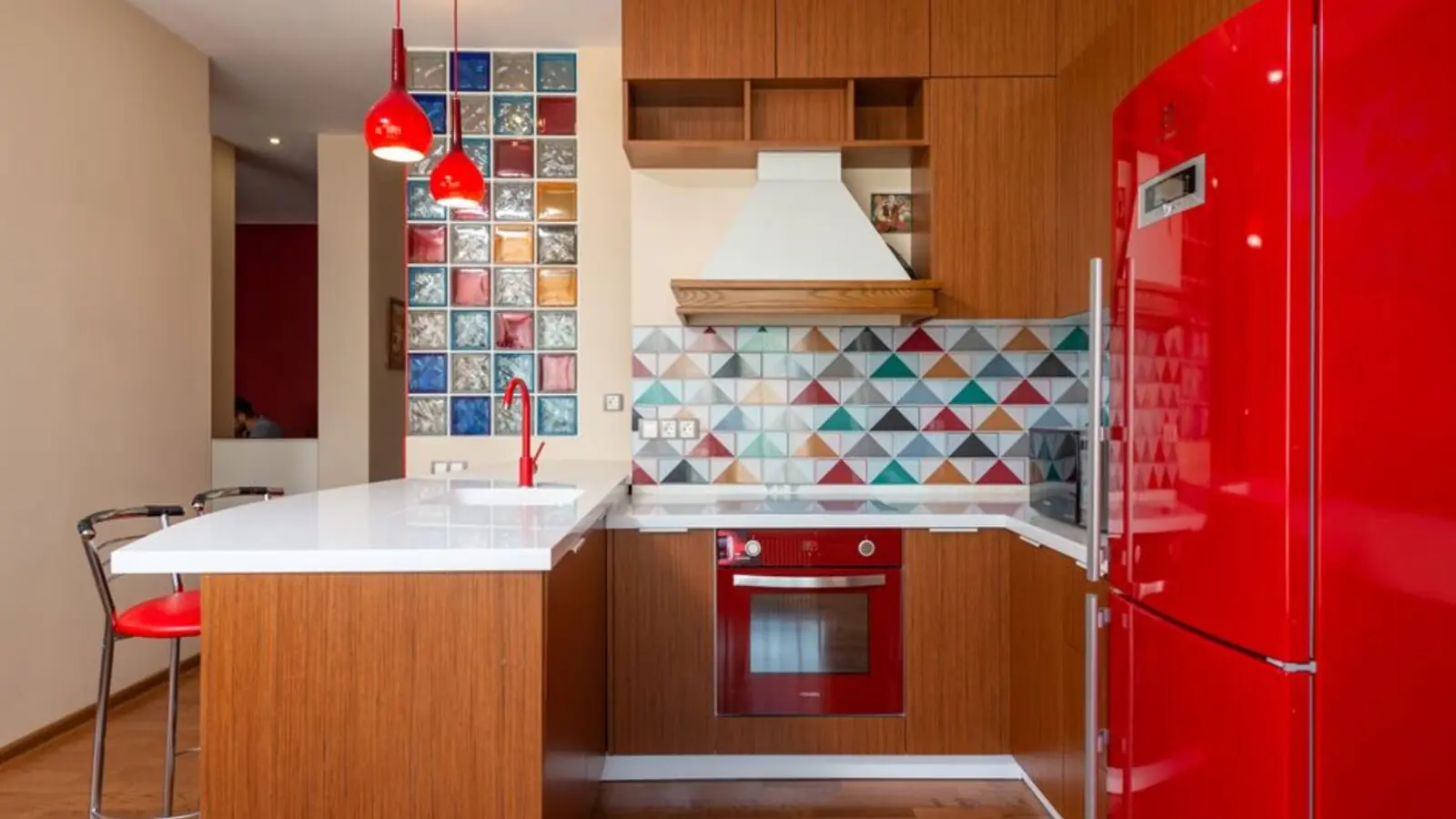
Sector 96, Noida
3, 4 BHK • Rs 3.50 Cr onwards
Upcoming expressway-facing luxury towers
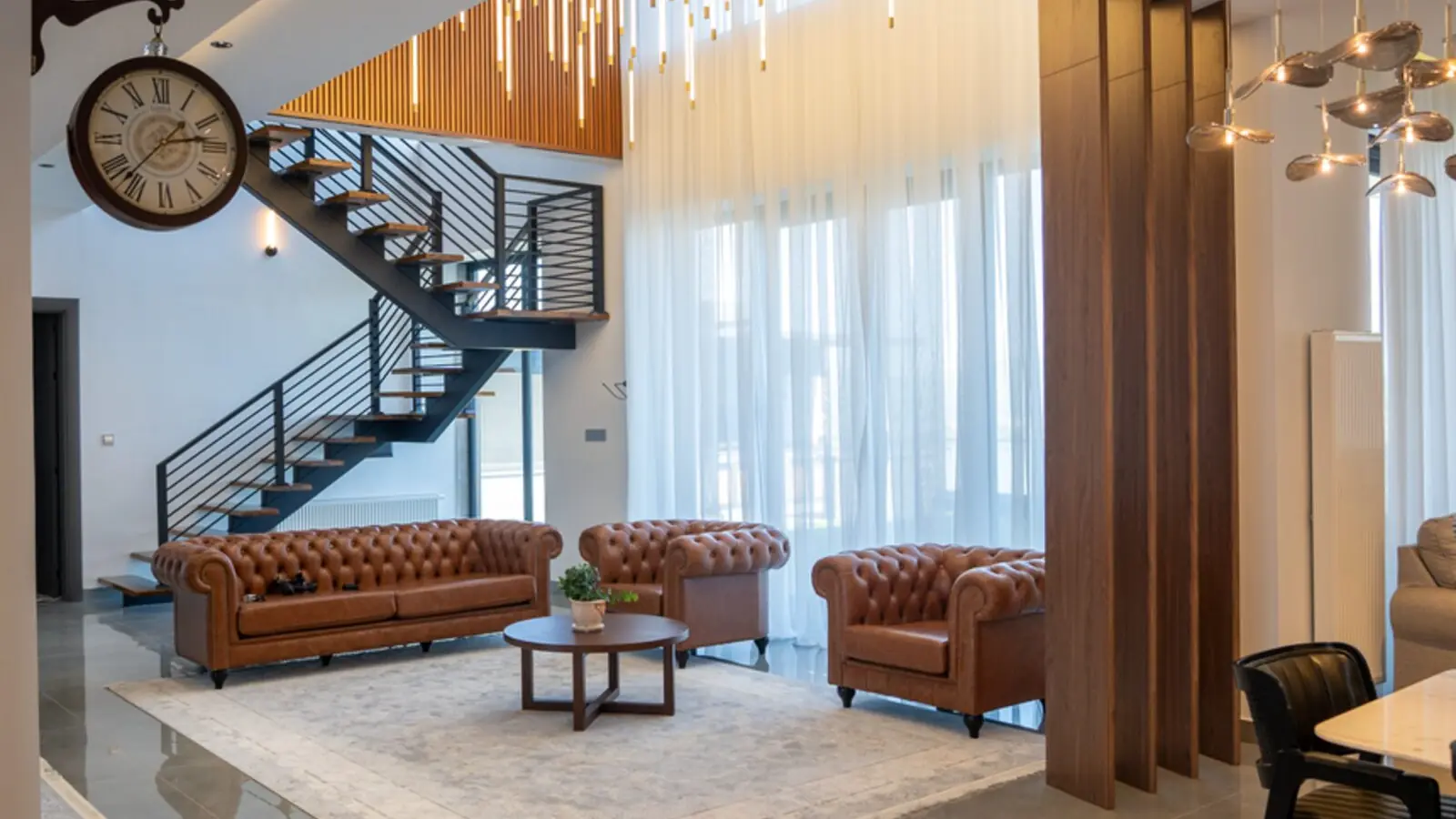
Sector 97, Noida
3, 4 BHK • Price on request
6-acre expressway-facing luxury address
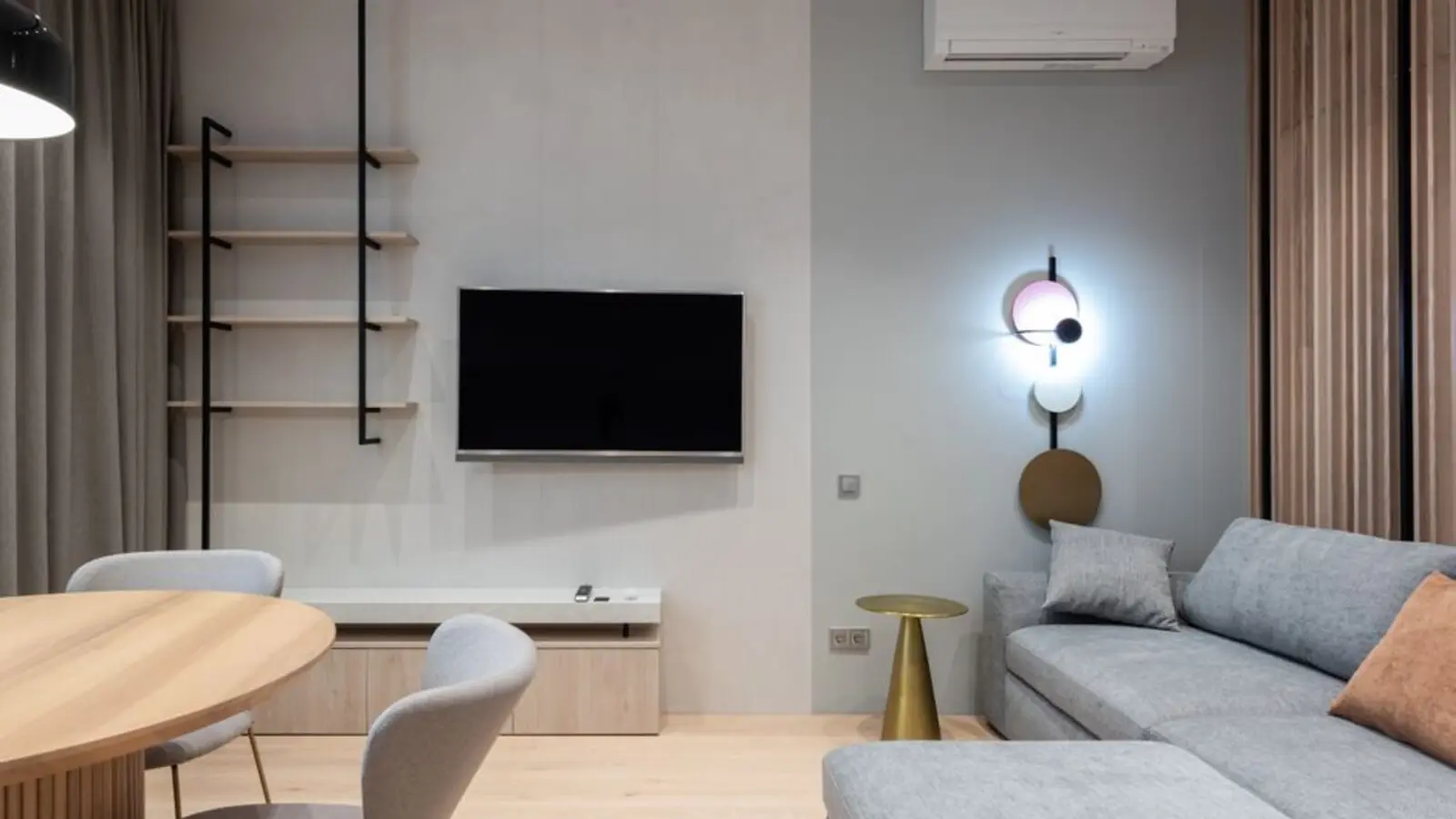
Sector 69, Gurugram
3, 4 BHK • Price on Request
ELIE SAAB signature branded residences
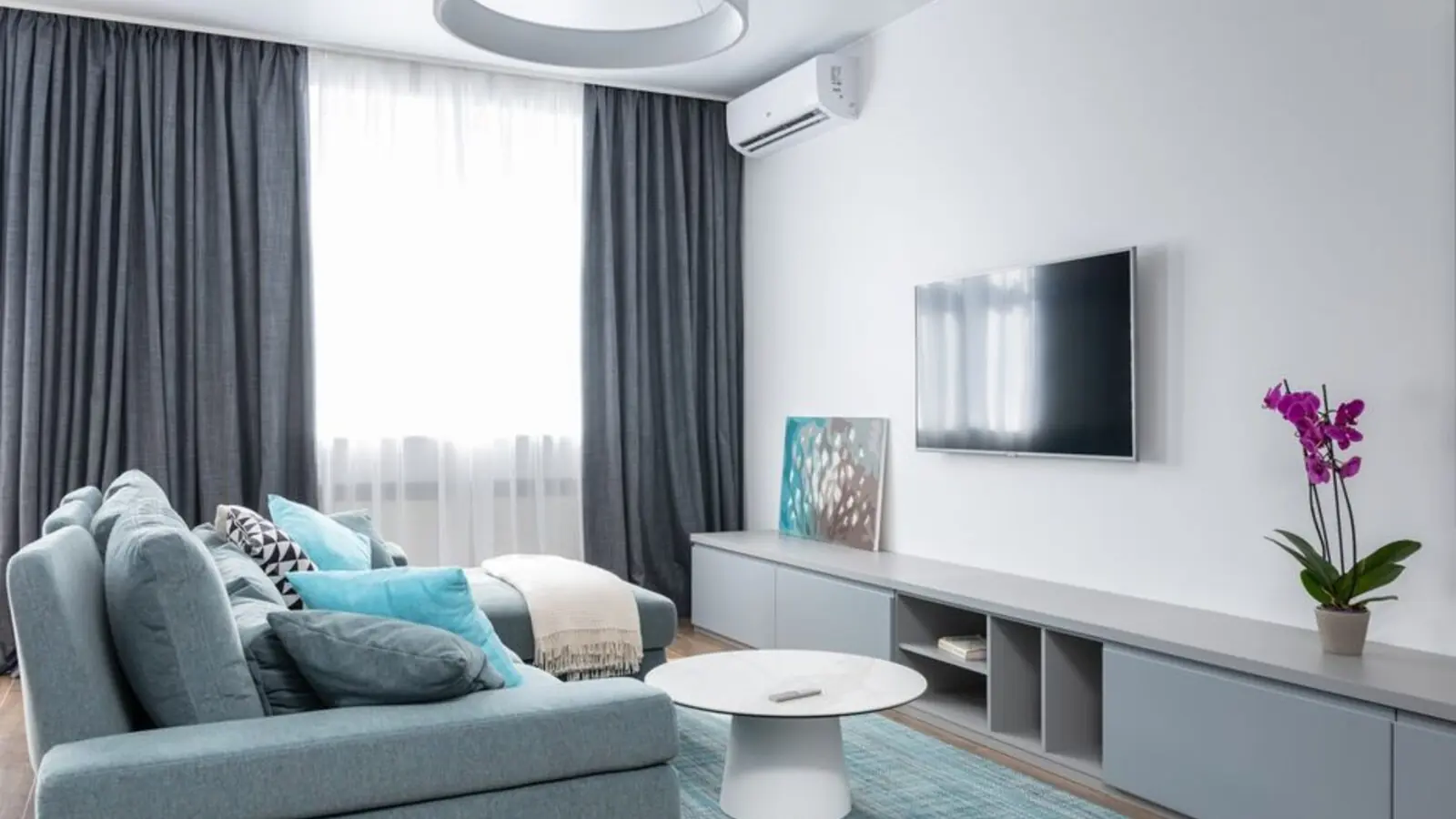
Sector 67A, Gurgaon
2, 3 BHK • Rs 2.40 Cr onwards
6-acre pre-launch development
For information only — this is not an offer and creates no obligation. Prices, layouts, and photos are indicative and can change anytime. Do your own verification before making a decision. About · Projects
Share your details and our expert will call you back.