One airport, one bridge, one skyline of opportunity rewriting Navi Mumbai's real estate story.
Explore NowFor over a decade, the Navi Mumbai International Airport (NMIA) existed only as a promise on brochures. That changed the moment the terminal opened for commercial operations. For over a decade, Navi Mumbai International Airport (NMIA) was little more than a promise on real estate brochures. That changed with its October 2025 inauguration and December 25, 2025 commercial launch. International operations followed in mid-2026. What was once speculative talk is now backed by hard transaction data, and homebuyers across the Mumbai Metropolitan Region are watching the corridor closely.
The ripple effect hasn't stayed confined to the airport gate. The impact has spread across the entire corridor, extending from the terminal to clusters like Ulwe, Panvel, Kharghar, Taloja, Karanjade, New Panvel and Dronagiri. Residential real estate has felt this shift most sharply. The effect was most acutely seen in the residential segment. While average prices in Navi Mumbai climbed steadily by about 27% over five years, airport-proximate pockets such as Ulwe and Panvel have shown even sharper growth, a direct result of their position within NMIA's immediate catchment.
The numbers from Panvel tell a particularly compelling story. Between fiscal years 2021 and 2025, apartment prices in the Panvel region climbed from affordable baselines to ₹10,000 to ₹12,000 per square foot, representing a 74% increase in capital value that significantly outperforms the broader Mumbai Metropolitan Region. Land values have moved even faster than built-up housing. Residential land has seen even more aggressive demand from high-net-worth individuals and developers, with plot prices in the vicinity surging by 93% and currently trading at ₹80,000 to ₹85,000 per square yard.
Ulwe, the node closest to the terminal, has seen some of the sharpest appreciation in the entire corridor. Property prices in Ulwe have approximately doubled between 2021 and 2026 in several sectors, mainly due to airport development. Separate market tracking puts recent momentum at a still-brisk pace, with Panvel property rates having climbed 74% since 2021, while Ulwe has seen 22–25% year-on-year appreciation. Across the wider region, the airport's pull is visible even in areas further from the runway: the airport and infrastructure boom has pushed prices up 15-25% across the region in 2026.
Connectivity is doing as much work as the airport itself. The Atal Setu (Mumbai Trans Harbour Link) has cut travel times dramatically, and the Atal Setu has significantly reduced travel time between Navi Mumbai and Mumbai, increasing residential demand and improving property values across Ulwe, Panvel, and surrounding areas. The next big catalyst is already approved: on January 27, 2026, the Maharashtra Cabinet formally approved Mumbai Metro Line 8—branded the "Gold Line"—a transformational inter-airport corridor designed to link Chhatrapati Shivaji Maharaj International Airport in Mumbai directly to NMIA at Ulwe, a project pegged at ₹22,862 crores. Once operational, travel time between the two airports will compress from the current 90–120 minutes to just 30 minutes, with trains anticipated to run every 15 minutes.
Industry experts see this as a structural shift rather than a short-term spike. As Cushman & Wakefield's Gautam Saraf put it, "With Mumbai's infrastructure push unlocking new corridors, Navi Mumbai's integrated and scalable urban framework is perfectly positioned to absorb the next wave of real estate growth." The airport itself is being built for scale: it will start with a 20 million passenger capacity per annum, with the ability to scale up to 90 million passenger capacity per annum by 2036, which is higher than the combined capacity of Mumbai's existing terminals. That scale is expected to translate into sustained job creation and housing demand around the terminal for years to come.
CIDCO, the master planner behind the region, continues to release land strategically to support this growth without flooding the market. CIDCO's controlled land release has historically kept supply measured as structural support for prices, which is expected to continue. Beyond the airport itself, planners are betting on an entire economic zone around it: it is bringing with it a massive boost in infrastructure, with new roads, expanded railway lines, and the upcoming "Aerocity" business district next to the airport creating thousands of jobs.
For homebuyers, the takeaway is straightforward: Navi Mumbai has moved from a "planned alternative" to a genuine extension of the Mumbai property market, driven by infrastructure that is now operational rather than promised. Buyers evaluating Ulwe, Panvel, Kharghar, Dronagiri, and the emerging NAINA belt should factor in both the appreciation already priced in and the additional upside expected from the Gold Line metro and full international operations still rolling out through 2026.

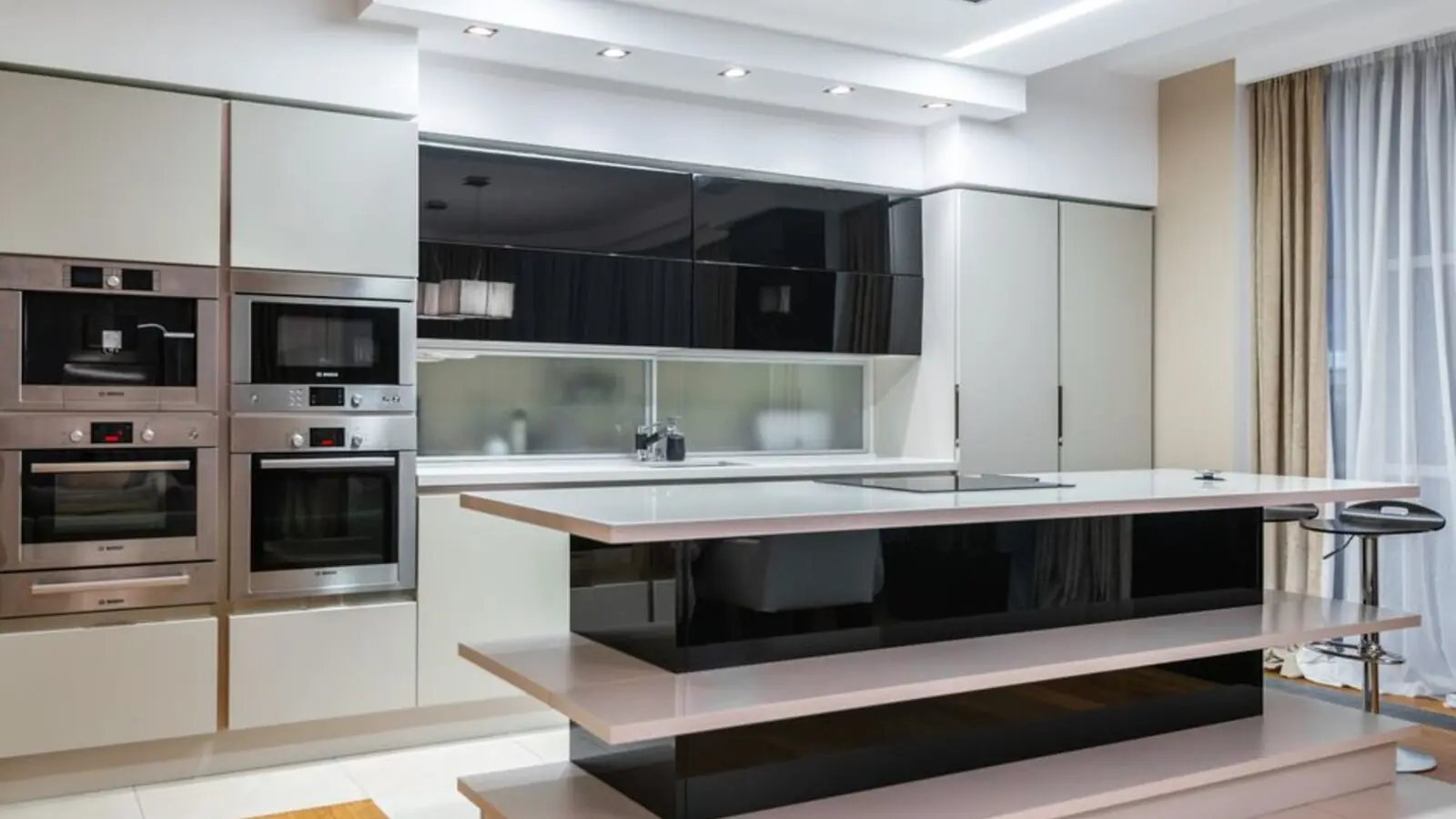
Sector 111, Dwarka Expressway, Gurugram
2.5, 3.5 BHK • Price on Request
Low-rise floors on Dwarka Expressway
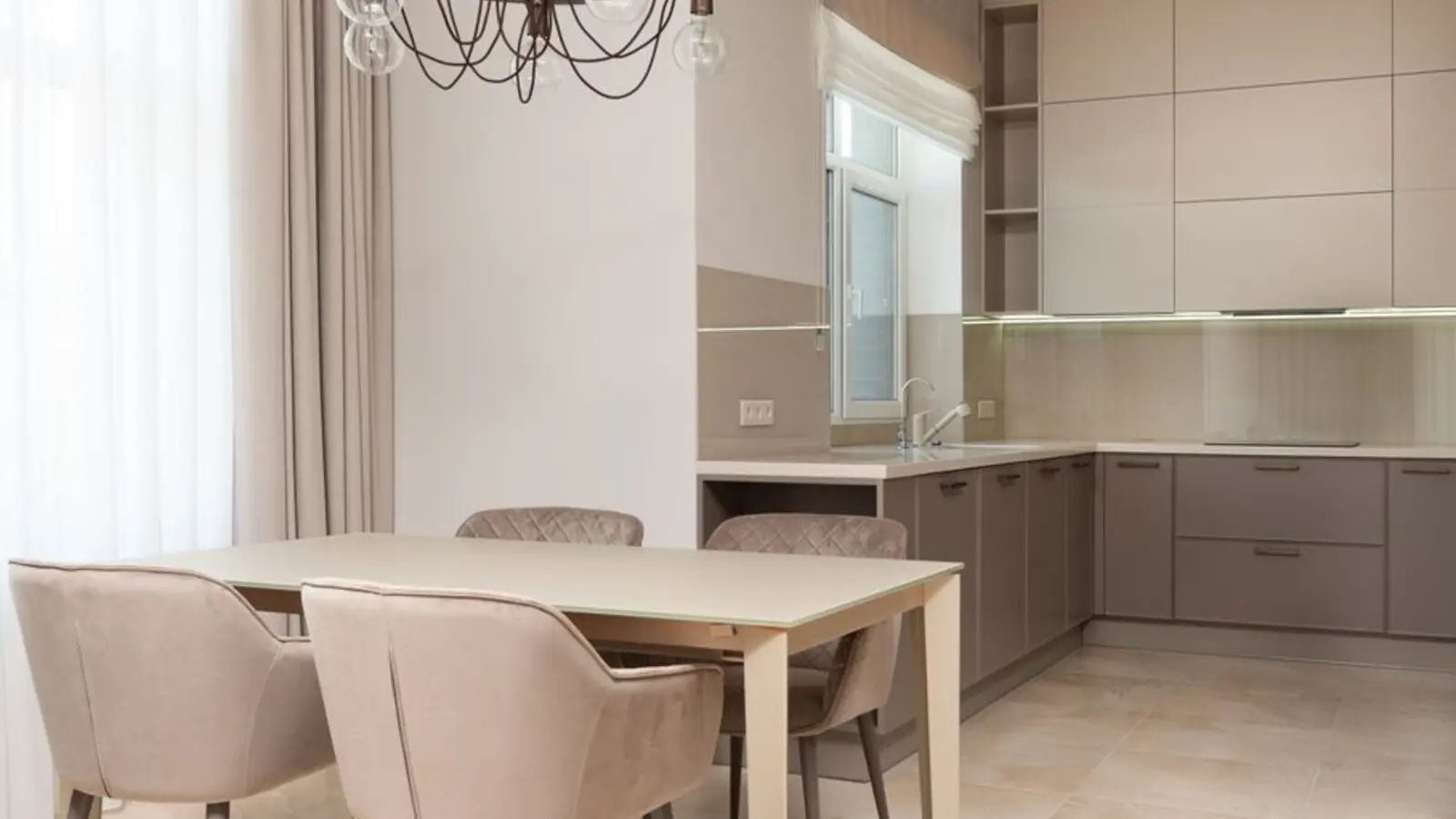
Sector 128, Noida
3, 4 BHK • Price on Request
73-acre pre-launch on Noida Expressway
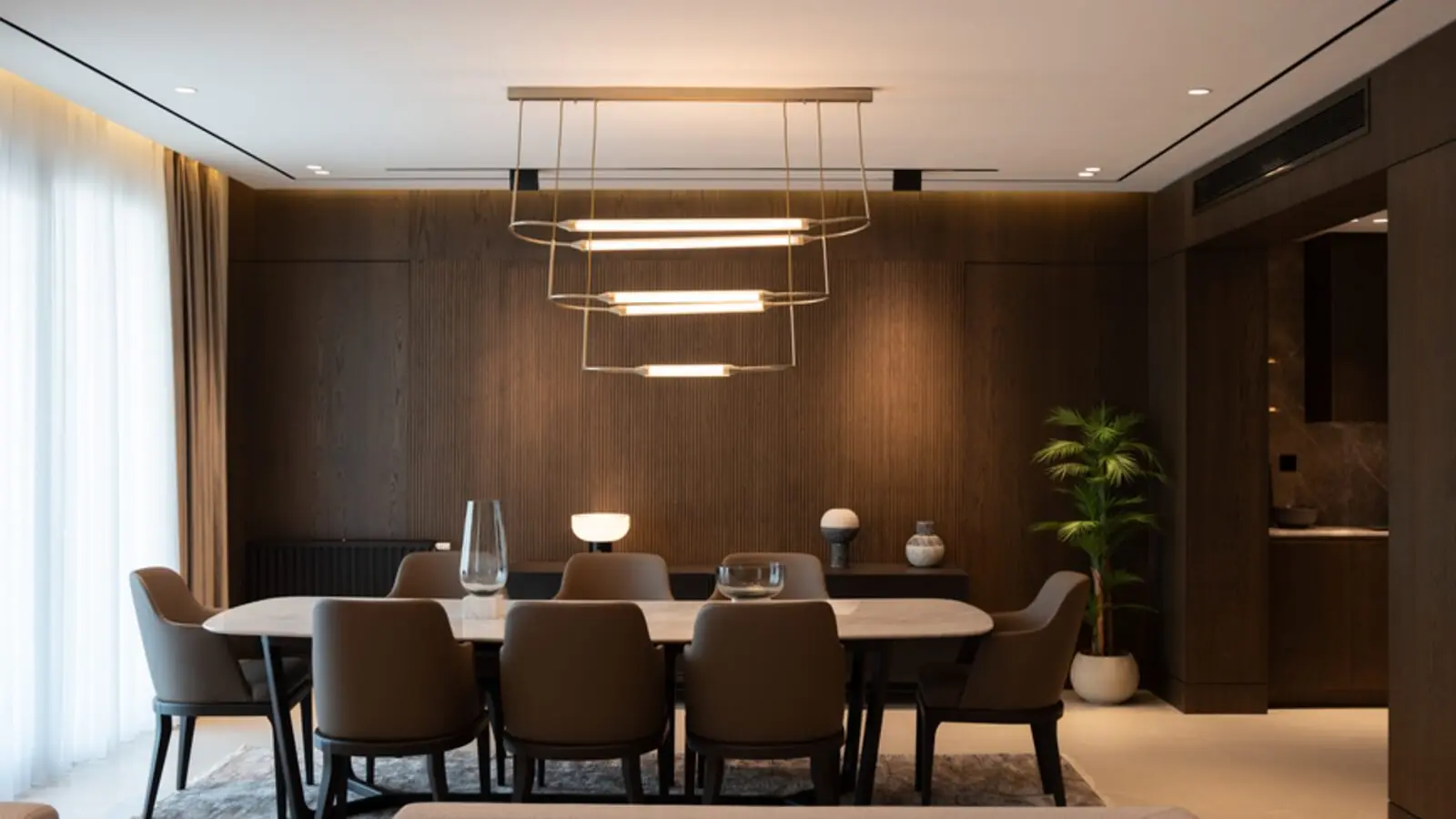
Sector 62, Golf Course Extension Road, Gurugram
2.5, 3 BHK • Rs 3.30 Cr onwards
Upcoming luxury launch off Golf Course Extension Road
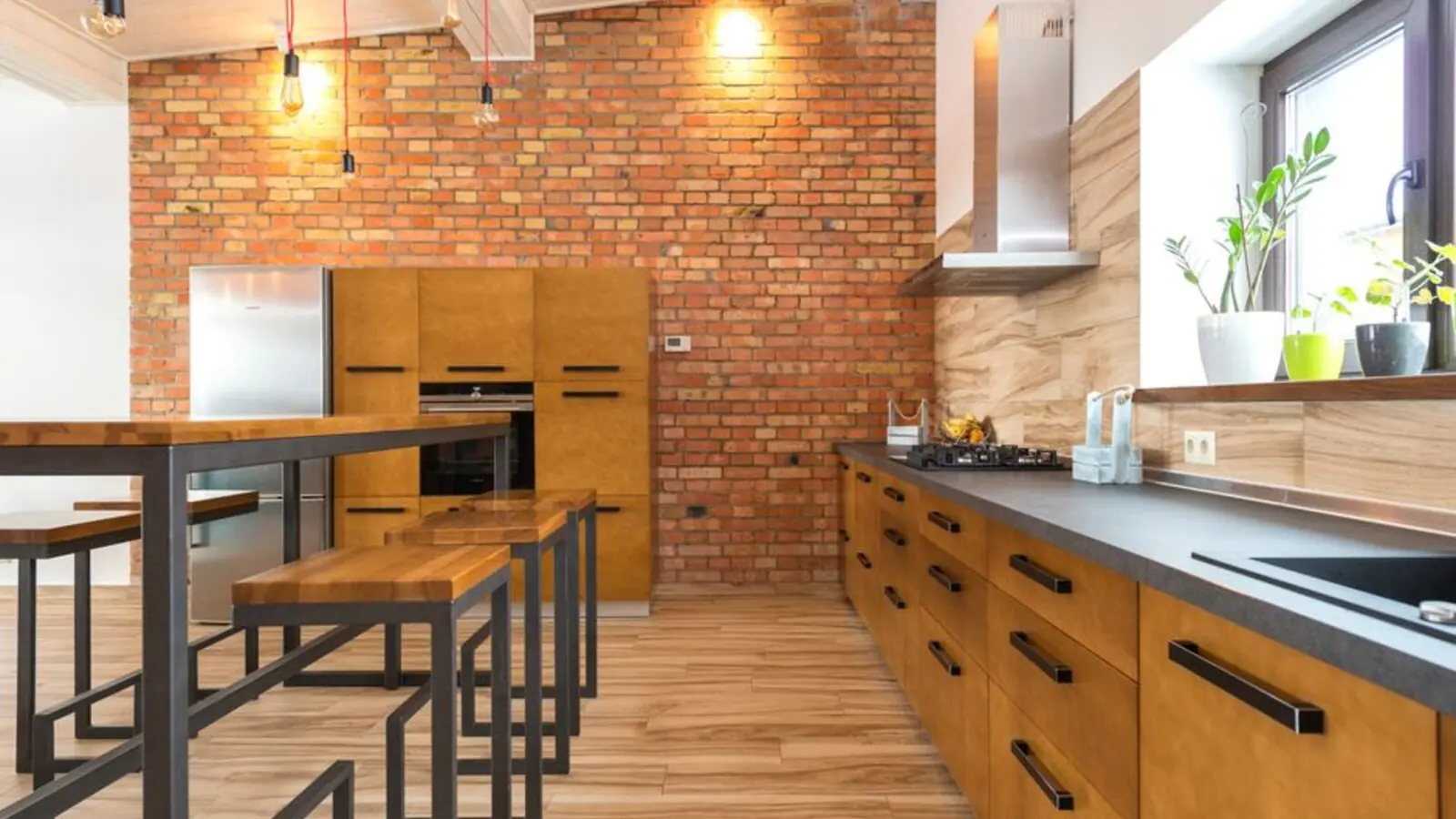
Sector 94, Noida
2, 3, 4 BHK • Price on Request
Pre-launch high-rise on Noida Expressway
Sector 96, Noida
3, 4 BHK • Rs 3.50 Cr onwards
Upcoming expressway-facing luxury towers
Sector 97, Noida
3, 4 BHK • Price on request
6-acre expressway-facing luxury address
Sector 69, Gurugram
3, 4 BHK • Price on Request
ELIE SAAB signature branded residences

Sector 67A, Gurgaon
2, 3 BHK • Rs 2.40 Cr onwards
6-acre pre-launch development
For information only — this is not an offer and creates no obligation. Prices, layouts, and photos are indicative and can change anytime. Do your own verification before making a decision. About · Projects
Share your details and our expert will call you back.