International flights just landed at NMIA — here's how buyer sentiment is shifting.
Explore NowFor years, Navi Mumbai International Airport existed mostly as a promise printed on brochures. That changed for good this year. The airport's October 2025 inauguration was followed by a December 25, 2025 commercial launch, with international operations following in mid-2026. The specific trigger everyone in the market is talking about: international operations officially began on 15 July 2026, when Air India Express launched a direct route to Abu Dhabi, running three times a week. It's a small schedule on paper, but symbolically it turns NMIA from a domestic feeder airport into a genuine international gateway — and that distinction matters enormously to how buyers value land and homes around it.
The ramp-up has been quick by Indian infrastructure standards. Starting February 2026, the airport transitioned to round-the-clock operations, expanding to 34 daily departures to meet the increasing needs of the Mumbai Metropolitan Region. On the carrier side, the Air India group intends to scale up to 55 daily departures by mid-2026, including up to 5 daily international flights from NMIA, expanding further to 60 daily departures by Winter 2026. Additional international destinations and airline partners are expected to be added as demand and airport capacity increase through 2026. For homebuyers, this is the signal that matters more than the inauguration ceremony ever did — flight frequency, not ribbon-cutting, is what actually drives daily footfall, jobs, and long-term liveability around an airport.
The real estate ripple has been impossible to miss. The impact has spread across the entire corridor, extending from the terminal to clusters like Ulwe, Panvel, Kharghar, Taloja, Karanjade, New Panvel and Dronagiri, with the effect most acutely seen in the residential segment. While average prices in Navi Mumbai climbed steadily by about 27% over five years, airport-proximate pockets such as Ulwe and Panvel have shown even sharper growth, a direct result of their position within NMIA's immediate catchment. One local report went further, noting that property prices in the Panvel region jumped 74% since 2021, with experts anticipating sustained annual appreciation of 8% to 12% over the next seven years as the region transforms into a global aviation and logistics hub.
Smaller, once-overlooked micro-markets are seeing an even sharper jump in percentage terms. According to market experts and local brokers, the launch of NMIA has already increased property prices by 30% to 50% in key surrounding localities, turning Ulwe from an overlooked region into one of Navi Mumbai's most sought-after investment hubs. Analysts tracking early-stage growth pockets point to Pushpak Nagar and the NAINA (Navi Mumbai Airport Influence Notified Area) as currently the top picks for capital growth, being in the earliest stages of planned urban development.
Connectivity is doing as much heavy lifting as the airport itself. Better connectivity via the Atal Setu sea bridge and Navi Mumbai Metro Line 1 has strengthened links between Navi Mumbai's corridors and the Island City. Practically, that means with flight operations reaching 120 daily movements and the Atal Setu (MTHL) providing a 20-minute link to South Mumbai, the window for "cheap" entry has closed, while the window for strategic high-yield investment is just opening. It's worth remembering NMIA isn't replacing Mumbai's existing airport either — CSMIA in Santacruz continues to operate, with the two running as a dual-hub system for the region rather than one replacing the other.
On the ground, buyer behaviour has shifted noticeably since the July international launch. Brokers report the classic infrastructure-news pattern playing out in real time: when news like this breaks, buyers rush in, and some sellers quietly raise their asking price overnight. That's exactly why serious buyers are being advised to look past headline hype and check what units are actually transacting at, rather than chasing quoted rates that spike the day after a route announcement. Affordability is also being redefined in real time — while ₹40-50 lakh 1BHKs are becoming rare in Ulwe, value can still be found in Dronagiri or the peripheral areas of New Panvel.
What does this mean beyond the Navi Mumbai pincode? The pattern is a familiar one for anyone tracking airport-led real estate cycles across India: connectivity to a major international airport consistently pulls forward demand, jobs, and price discovery years before the terminal is fully scaled. It's the same dynamic playing out around Delhi's IGI Airport, where Gurugram's Dwarka Expressway corridor — home to Smart World's own Sector 113 development — has built its investment case on similar airport-proximity logic. Buyers evaluating any airport-adjacent address, in Navi Mumbai or the NCR, would do well to track the same three signals: flight frequency growth, feeder-infrastructure completion (metro, expressway links), and whether asking prices are backed by actual registered transactions.
The long-term outlook from analysts remains constructive but not without caveats. In the base case, airport operations stabilize and connectors come online over three to five years, leading to sustained but uneven residential growth, with hotspots up 20 to 35% over three years. For homebuyers, that's the realistic frame to plan around — not the overnight jump some listings are already advertising, but a multi-year re-rating of a genuinely improving corridor.

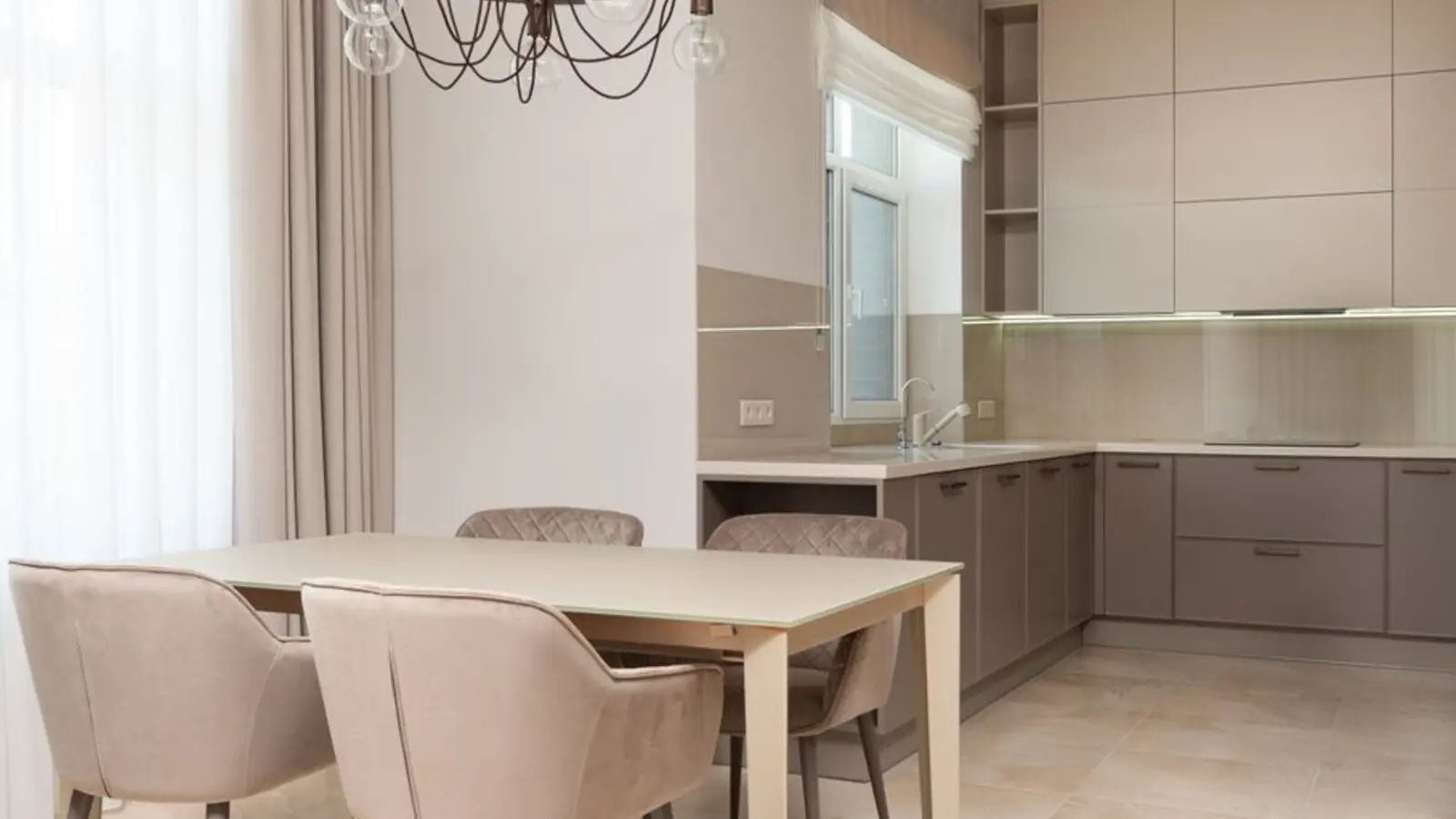
Sector 111, Dwarka Expressway, Gurugram
2.5, 3.5 BHK • Price on Request
Low-rise floors on Dwarka Expressway
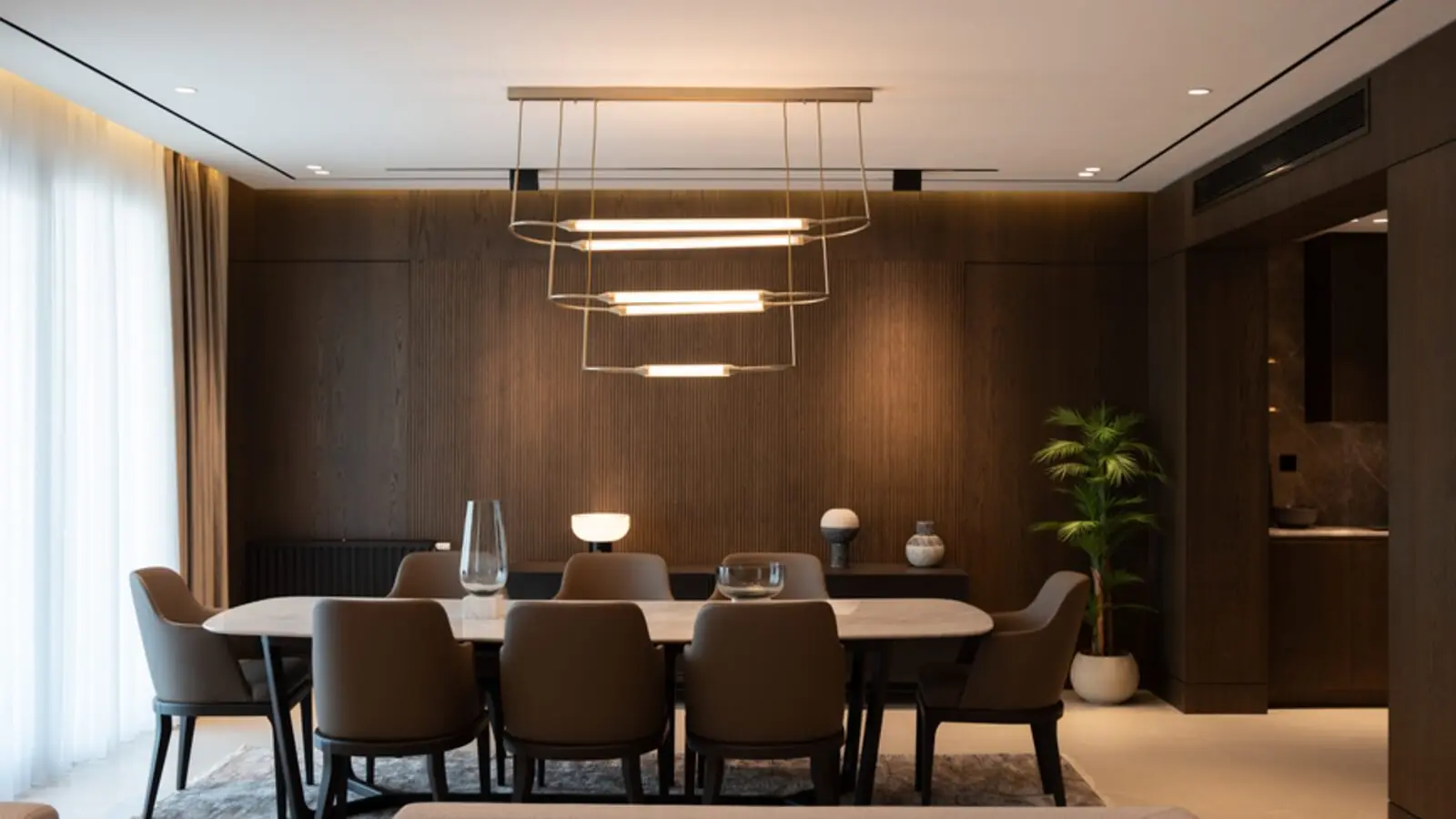
Sector 128, Noida
3, 4 BHK • Price on Request
73-acre pre-launch on Noida Expressway
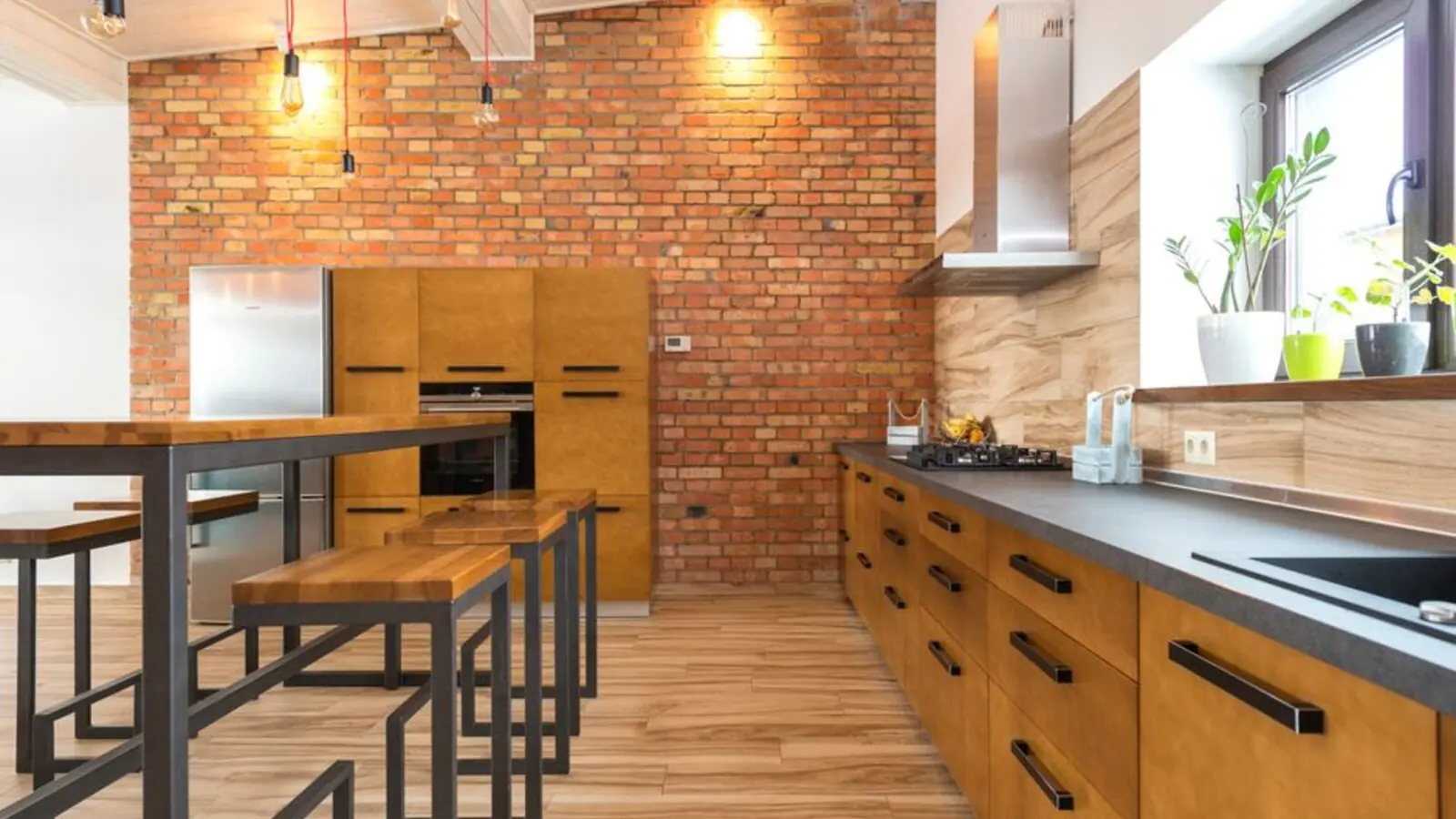
Sector 62, Golf Course Extension Road, Gurugram
2.5, 3 BHK • Rs 3.30 Cr onwards
Upcoming luxury launch off Golf Course Extension Road
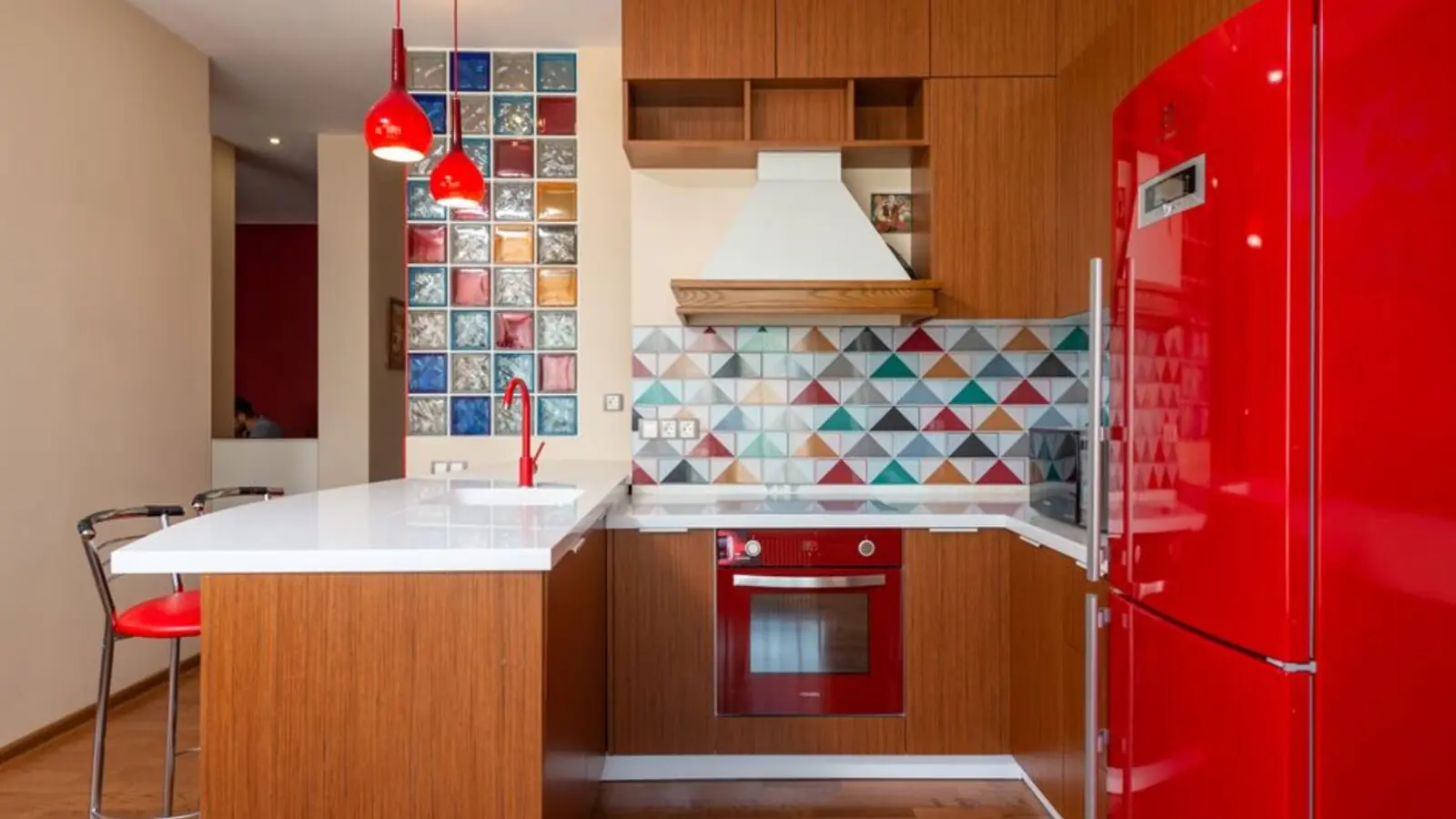
Sector 94, Noida
2, 3, 4 BHK • Price on Request
Pre-launch high-rise on Noida Expressway
Sector 96, Noida
3, 4 BHK • Rs 3.50 Cr onwards
Upcoming expressway-facing luxury towers

Sector 97, Noida
3, 4 BHK • Price on request
6-acre expressway-facing luxury address

Sector 69, Gurugram
3, 4 BHK • Price on Request
ELIE SAAB signature branded residences

Sector 67A, Gurgaon
2, 3 BHK • Rs 2.40 Cr onwards
6-acre pre-launch development
For information only — this is not an offer and creates no obligation. Prices, layouts, and photos are indicative and can change anytime. Do your own verification before making a decision. About · Projects
Share your details and our expert will call you back.