Navi Mumbai's new airport just turned Kharghar into the region's hottest address.
Explore NowFor years, the Navi Mumbai International Airport (NMIA) was a talking point in real estate brochures rather than a reality on the ground. That changed decisively when Prime Minister Narendra Modi inaugurated the airport on October 8, 2025, and commercial flights began exactly as scheduled on December 25, 2025, with IndiGo, Akasa Air, and Air India Express rolling out services. The airport's arrival has now moved the region's growth story from speculation to hard numbers, and the ripple effects are being felt strongly across Kharghar and the wider eastern Navi Mumbai corridor.
The impact hasn't stayed confined to Ulwe, the node closest to the runway. The impact has spread across the entire corridor, extending from the terminal to clusters like Ulwe, Panvel, Kharghar, Taloja, Karanjade, New Panvel and Dronagiri. Navi Mumbai's overall residential market has climbed steadily, but the pockets closest to the airport catchment have moved faster. While average prices in Navi Mumbai climbed steadily by about 27% over five years, airport-proximate pockets such as Ulwe and Panvel have shown even sharper growth, a direct result of their position within NMIA's immediate catchment.
Kharghar's story is a little different from its newer neighbours. As an Anarock Research-backed industry expert explained, apartment prices in the Panvel region rose by nearly 74% between FY 2021 and FY 2025, compared to 45% growth across the rest of Navi Mumbai. Kharghar, being an already-established residential node with schools, hospitals, and office space in place, has seen steadier rather than explosive appreciation. Kharghar has long been considered one of Navi Mumbai's most developed residential destinations, and compared to Ulwe, the appreciation here has been more measured largely because Kharghar already had established demand before the airport boom began. Separate research from Anarock puts this in numbers: Navi Mumbai residential property prices increased by 20–40% over the past three years, while land rates in Ulwe, Panvel, Taloja, and Kharghar increased by 50–60%, with residential costs rising 40% in Ulwe and 20% in Kharghar during that period. Even at these elevated levels, brokers note that Kharghar commands a premium but still has 1BHK options starting at around ₹80 lakh.
What's pulling buyers toward Kharghar isn't just the airport itself, it's the connectivity being built around it. The operational metro connectivity and improving airport access have further strengthened Kharghar's position among buyers seeking lifestyle-focused residential options. The Atal Setu (Mumbai Trans Harbour Link) has already changed the access equation for the entire southern Navi Mumbai belt, and the Atal Setu has dramatically improved connectivity between Navi Mumbai and Mumbai's business districts. On top of this, CIDCO's Kharghar Coastal Road, a roughly 9.68-km, six-lane arterial corridor, is designed to cut travel times between Kharghar and NMIA, connecting key nodes like Belapur, Nerul, and Kharghar while easing pressure on the Sion–Panvel Expressway. Once complete, residents could see commute times drop sharply, with local reports suggesting journeys between Kharghar and key locations that once took forty minutes could shrink to around ten.
Airport connectivity is just one part of the picture. Kharghar's location on the proposed Metro Line 8, or 'Gold Line,' also puts it directly on the map for future transit-oriented growth. This 35-km corridor is planned to link CSMIA and NMIA, passing through key MMR suburban nodes such as Vashi, Nerul, Seawoods, and Kharghar, which analysts expect will further boost transit-oriented development and retail-commercial growth around stations in the corridor.
So where does this leave homebuyers deciding between excitement and affordability? Real estate experts remain bullish on the medium-term outlook. Some forecasts suggest property prices in Ulwe, Panvel, Taloja, and Kharghar could appreciate by 20–30% over the next three years, while others project a steadier sustained annual appreciation of 8% to 12% over the next seven years as the region transforms into a global aviation and logistics hub. For end-users specifically, Kharghar's appeal lies less in speculative upside and more in stability. For investors, Kharghar may offer comparatively lower explosive upside than Ulwe, but it remains one of the safest long-term residential markets in Navi Mumbai.
For homebuyers weighing their options today, the takeaway is straightforward: Kharghar offers established infrastructure, social amenities, and metro access at a relative discount to the frothier price points in Ulwe and Dronagiri, while still riding the same airport-led wave of demand. With coastal roads, metro links, and the airport's own passenger ramp-up all unfolding over the next two to three years, buyers who move now are essentially locking in pre-completion pricing on infrastructure that's already under construction rather than merely proposed.
Sector 111, Dwarka Expressway, Gurugram
2.5, 3.5 BHK • Price on Request
Low-rise floors on Dwarka Expressway
Sector 128, Noida
3, 4 BHK • Price on Request
73-acre pre-launch on Noida Expressway
Sector 62, Golf Course Extension Road, Gurugram
2.5, 3 BHK • Rs 3.30 Cr onwards
Upcoming luxury launch off Golf Course Extension Road
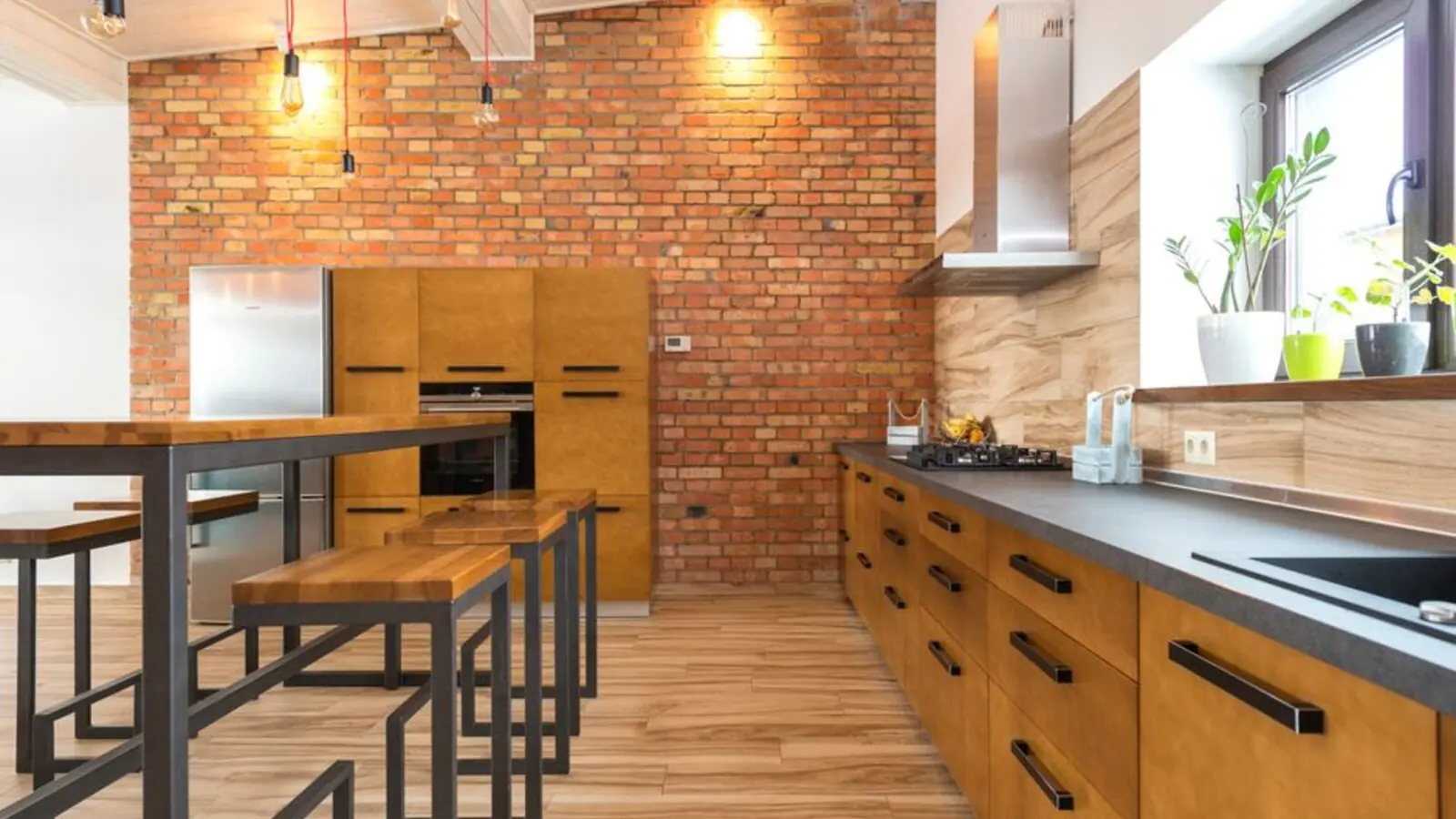
Sector 94, Noida
2, 3, 4 BHK • Price on Request
Pre-launch high-rise on Noida Expressway
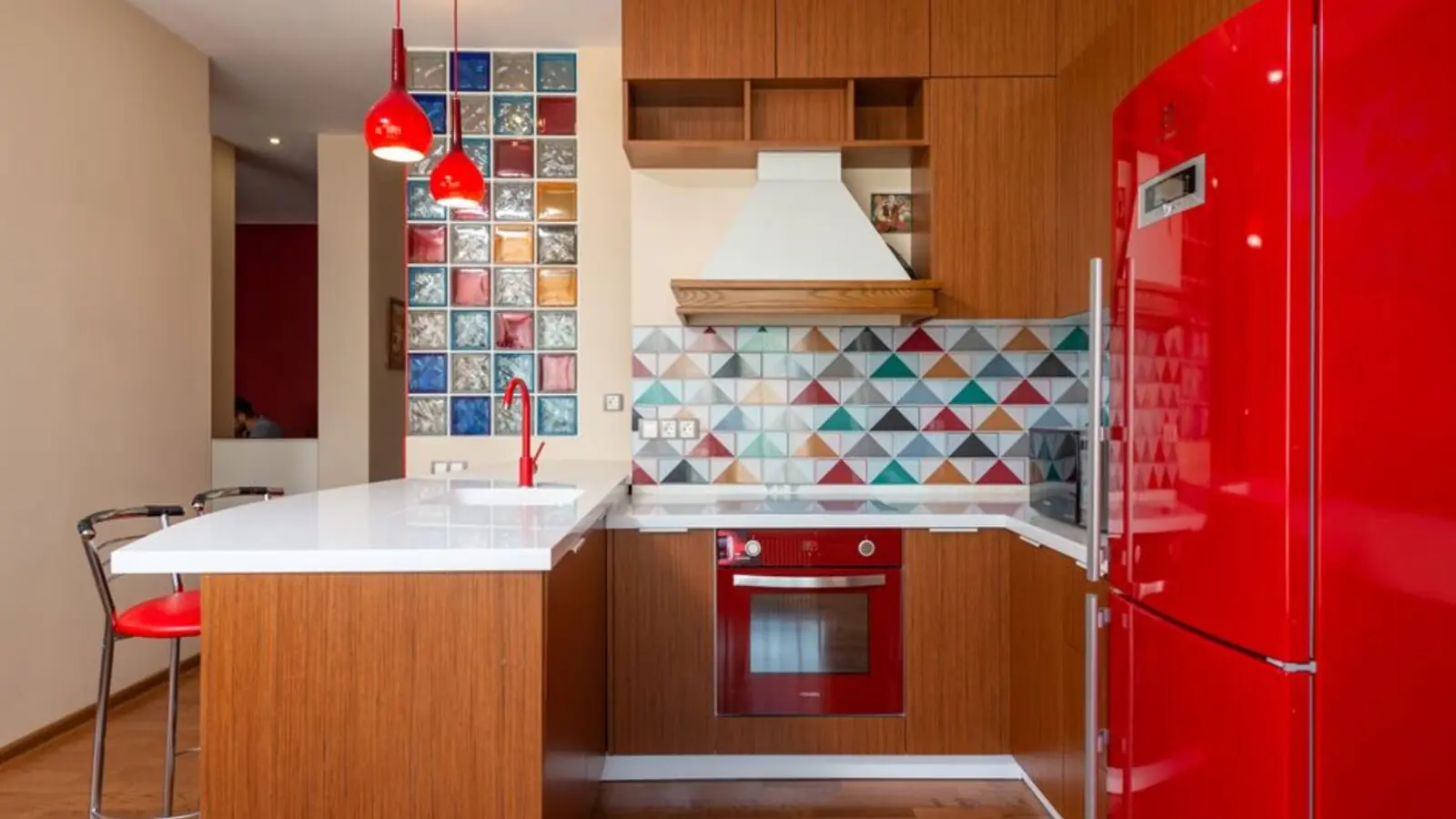
Sector 96, Noida
3, 4 BHK • Rs 3.50 Cr onwards
Upcoming expressway-facing luxury towers
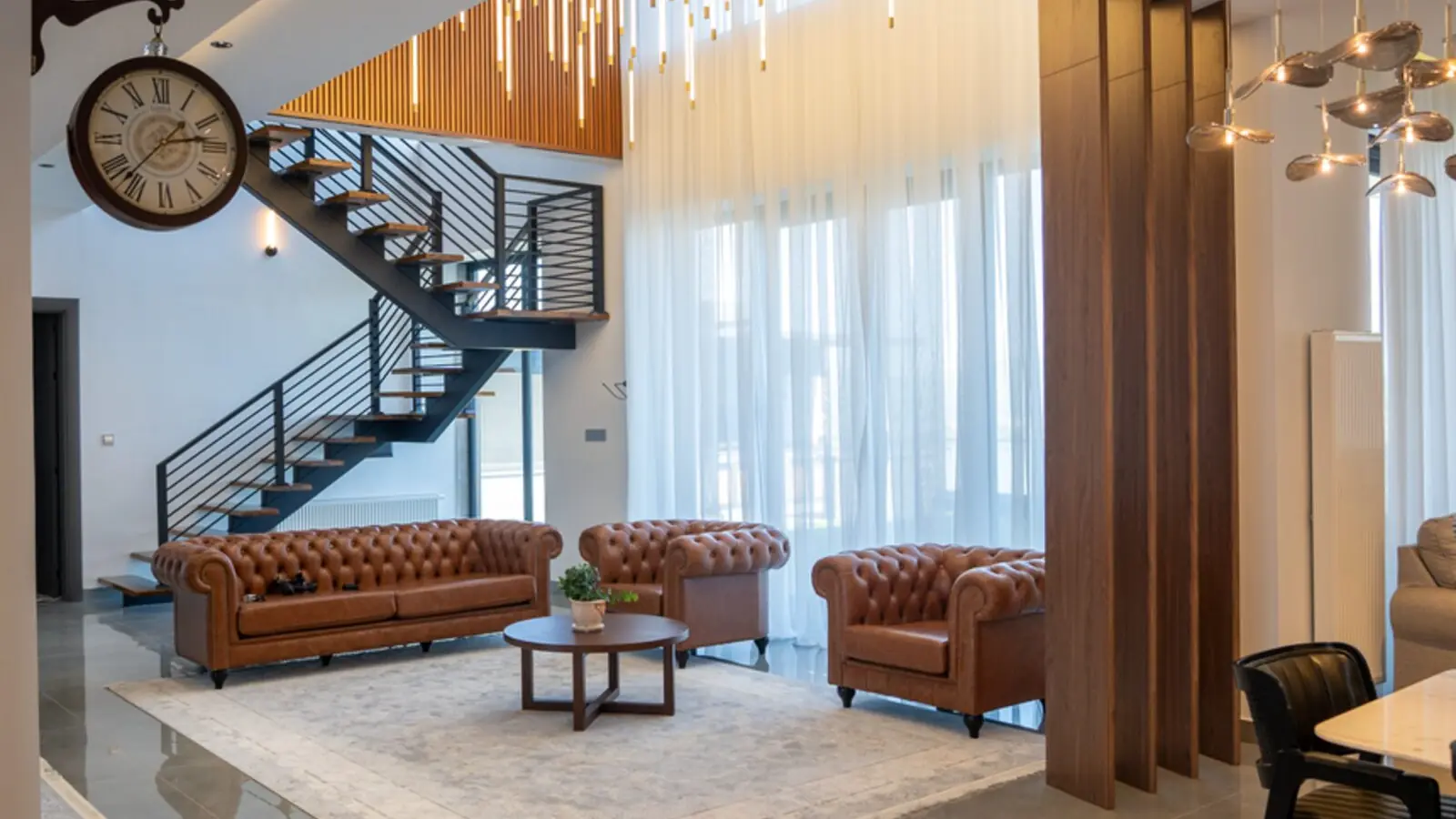
Sector 97, Noida
3, 4 BHK • Price on request
6-acre expressway-facing luxury address
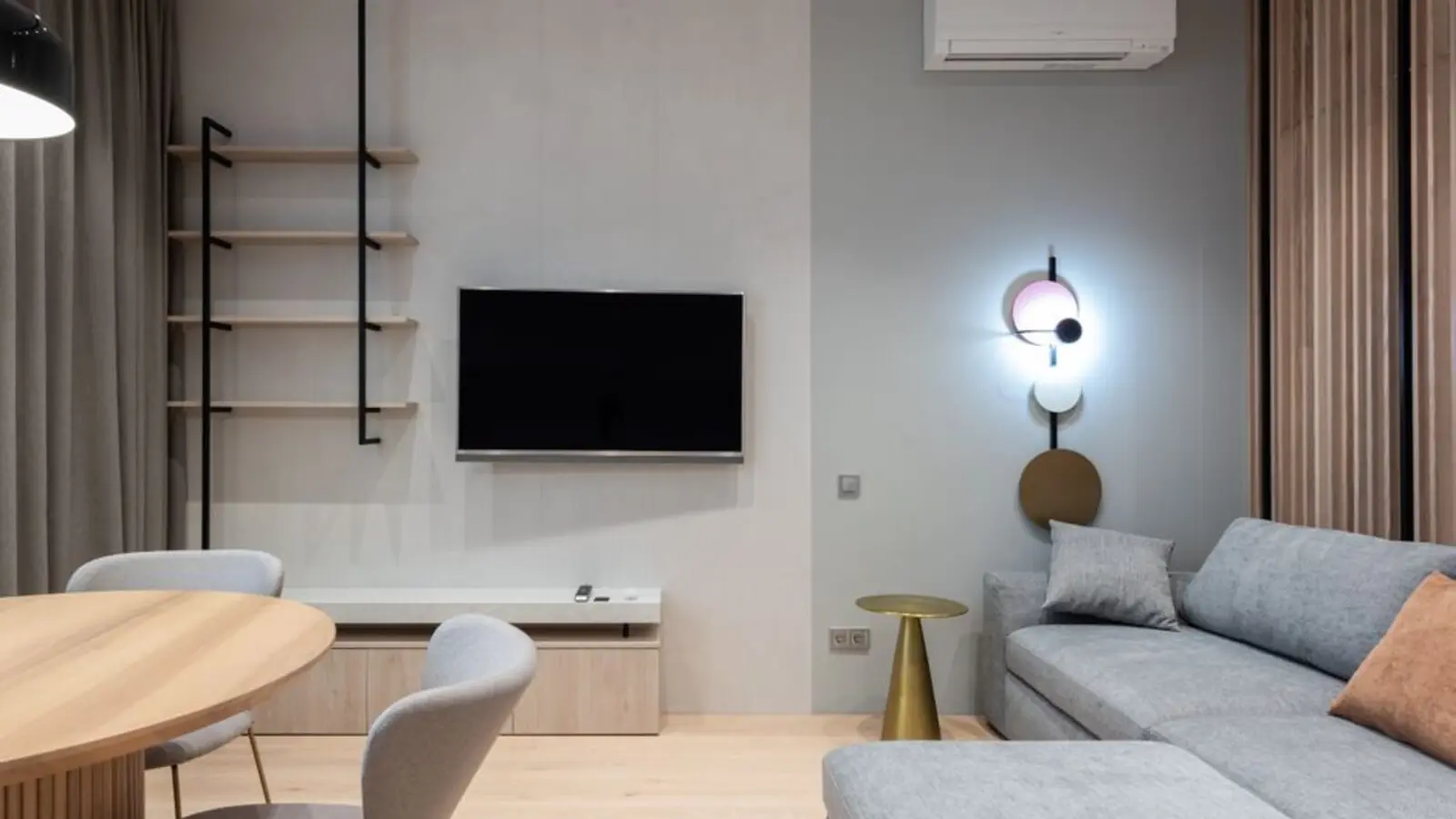
Sector 69, Gurugram
3, 4 BHK • Price on Request
ELIE SAAB signature branded residences

Sector 67A, Gurgaon
2, 3 BHK • Rs 2.40 Cr onwards
6-acre pre-launch development
For information only — this is not an offer and creates no obligation. Prices, layouts, and photos are indicative and can change anytime. Do your own verification before making a decision. About · Projects
Share your details and our expert will call you back.