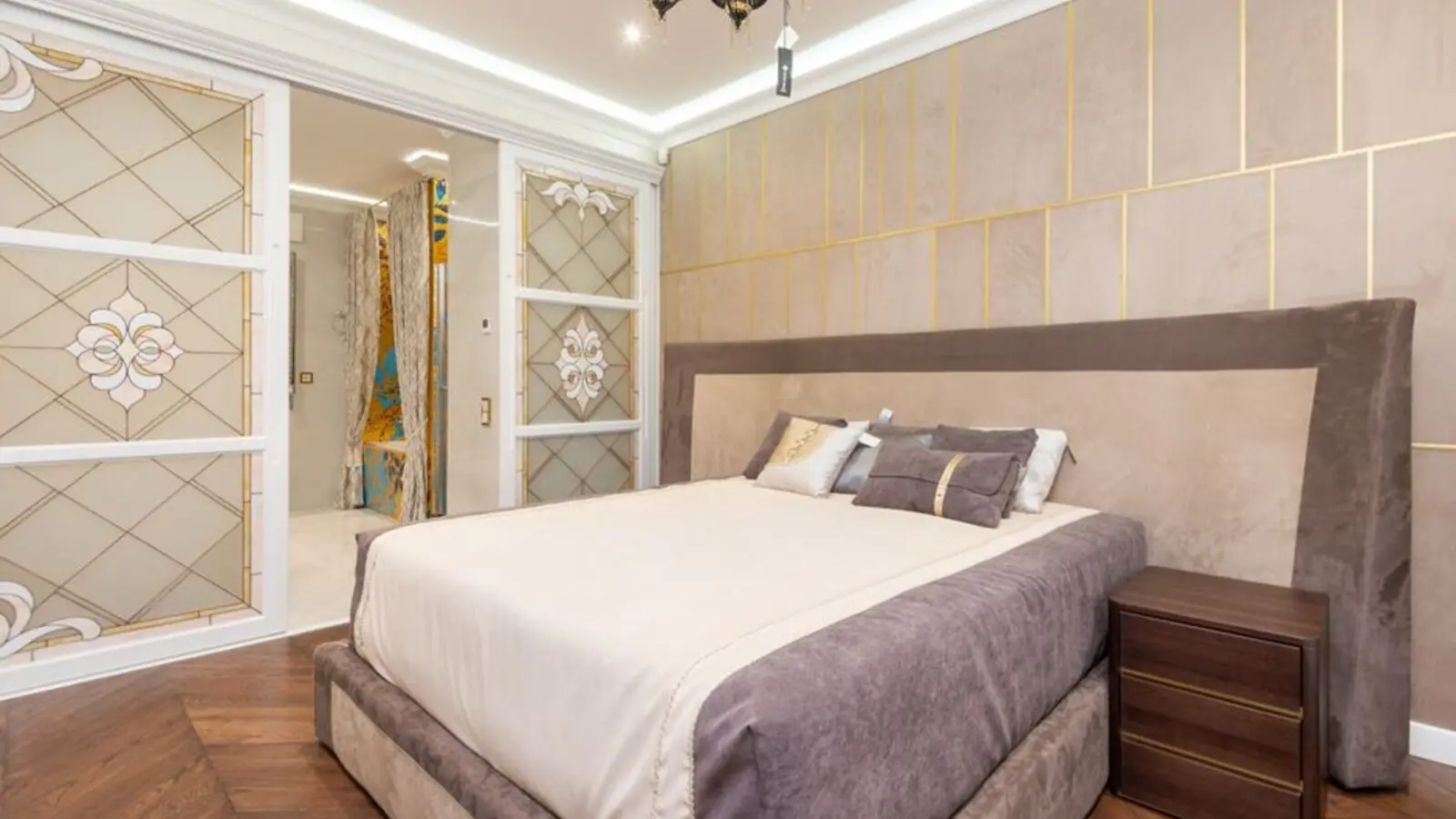
Airport goes global, homebuyer demand follows fast across the NMIA corridor.
Explore NowFor years, Navi Mumbai International Airport (NMIA) lived on real estate brochures as a 'coming soon' promise. That changed for good in mid-2026. Air India Express launched a direct, thrice-weekly service between Navi Mumbai and Abu Dhabi, marking the airport's first scheduled international route and opening NMIA's global network less than 200 days after it began domestic flights on December 25, 2025.
The international debut wasn't just symbolic. The inaugural flight also carried the airport's first global perishable export shipment, signalling that NMIA is scaling up as both a passenger gateway and a cargo hub. With the launch, every airport in Adani Airport Holdings' portfolio is now internationally connected, and NMIA has quickly become the second international gateway for the Mumbai Metropolitan Region (MMR) after Chhatrapati Shivaji Maharaj International Airport. Since domestic operations began, the airport has connected 46 domestic destinations and handled more than 2.3 million passengers, with about 150 daily air traffic movements recorded by mid-2026.
The ripple effect on real estate has been immediate and measurable. Industry trackers note that international operations followed the airport's commercial launch within months, and the impact has spread across the entire corridor, extending from the terminal to clusters like Ulwe, Panvel, Kharghar, Taloja, Karanjade, New Panvel and Dronagiri. While Navi Mumbai's average prices had already climbed around 27% over five years, airport-proximate pockets such as Ulwe and Panvel have shown sharper growth directly tied to their position within NMIA's catchment.
The numbers tell the story. Apartment prices in the Panvel region climbed from affordable baselines to roughly Rs 10,000-12,000 per sq ft between FY21 and FY25, a jump of about 74% that has outpaced the broader MMR. Plot prices near the airport have surged even further, up 93% and now trading between Rs 80,000 and Rs 85,000 per square yard, largely driven by investor and developer appetite ahead of the planned aerocity. In Taloja specifically, market watchers report that actual transaction rates already run 40-80% above official reckoner valuations, a strong signal of where buyers expect future appreciation to land.
Infrastructure built around the airport is compounding this effect. The Atal Setu (Mumbai Trans Harbour Link) has cut travel time between Ulwe, Panvel and Mumbai's business districts dramatically, while the fully operational Navi Mumbai Metro Line 1 between Belapur and Pendhar is giving Kharghar and Taloja residents daily rail access. Together, these projects are turning a once-peripheral corridor into a genuine commuter and investment zone, with rental yields in Ulwe and Taloja edging up toward 3.8%, a meaningful shift for an MMR market where yields have historically stayed compressed below 3%.
For homebuyers weighing an entry point, Taloja remains one of the more accessible micro-markets in this growth story, with rates still well below premium Navi Mumbai nodes like Vashi or Seawoods. This is exactly the corridor where Smart World Mumbai is positioned, a low-density residential development in Taloja offering 2, 3 and 4 BHK smart homes roughly 25 minutes from the airport, built around a 9-hole golf course and just four apartments per floor for added privacy. As NMIA's international network expands and employment in aviation, logistics and hospitality builds up around it, projects in this catchment stand to benefit from both end-user demand and long-term capital appreciation.
The broader message for buyers is that the 'early entry' window on NMIA-linked real estate is narrowing but has not fully closed. Analysts tracking the corridor expect residential values in these zones to keep appreciating at double-digit rates annually over the next few years as the airport scales toward its eventual capacity of 90 million passengers a year, making now a relevant time to evaluate homes in Taloja, Panvel and the surrounding NMIA belt.
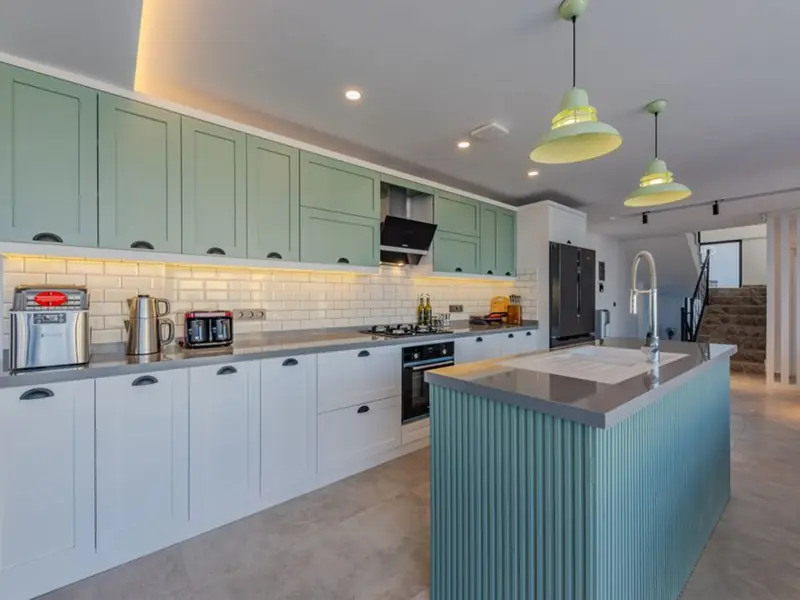

Sector 111, Dwarka Expressway, Gurugram
2.5, 3.5 BHK • Price on Request
Low-rise floors on Dwarka Expressway
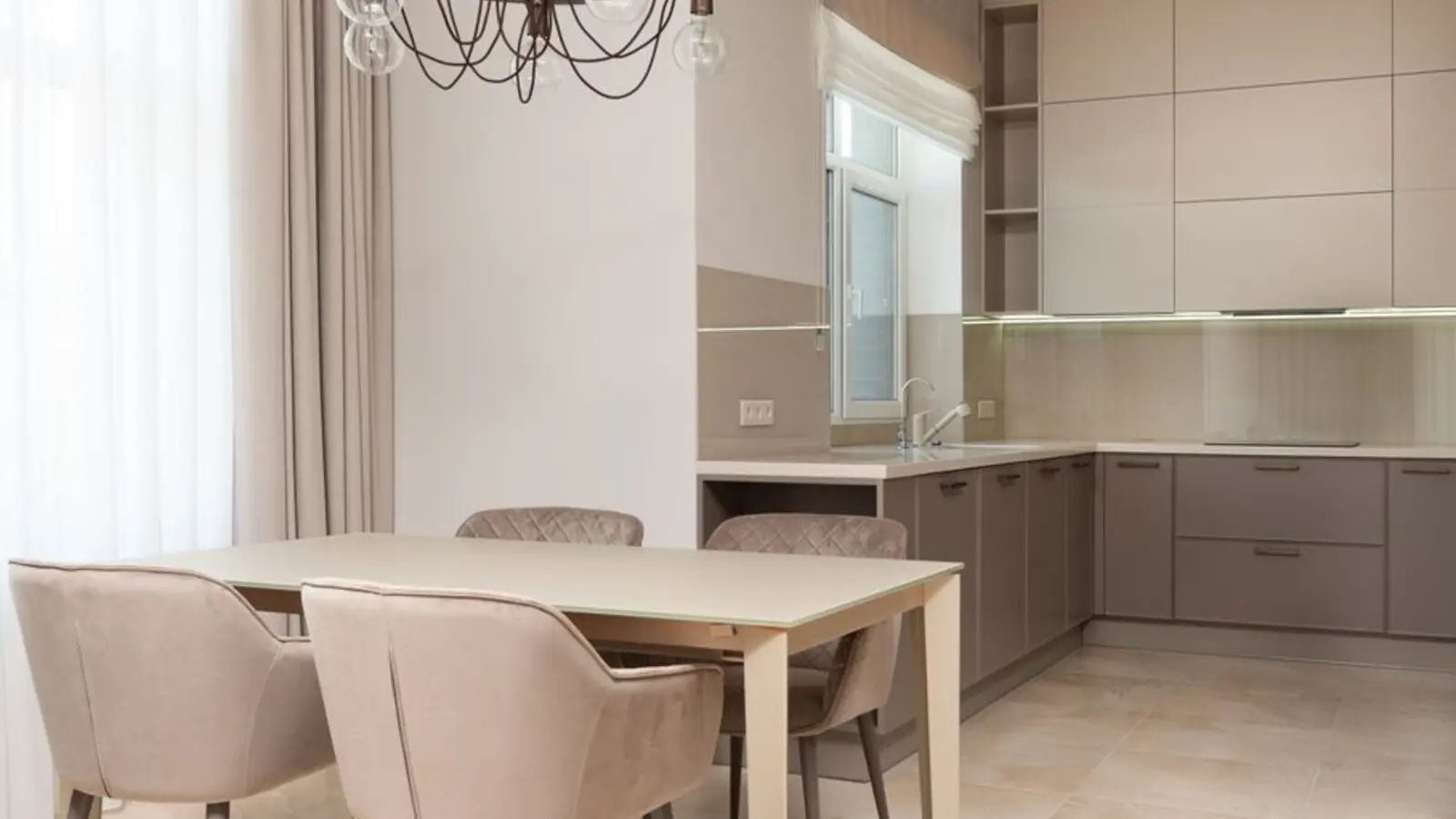
Sector 128, Noida
3, 4 BHK • Price on Request
73-acre pre-launch on Noida Expressway

Sector 62, Golf Course Extension Road, Gurugram
2.5, 3 BHK • Rs 3.30 Cr onwards
Upcoming luxury launch off Golf Course Extension Road
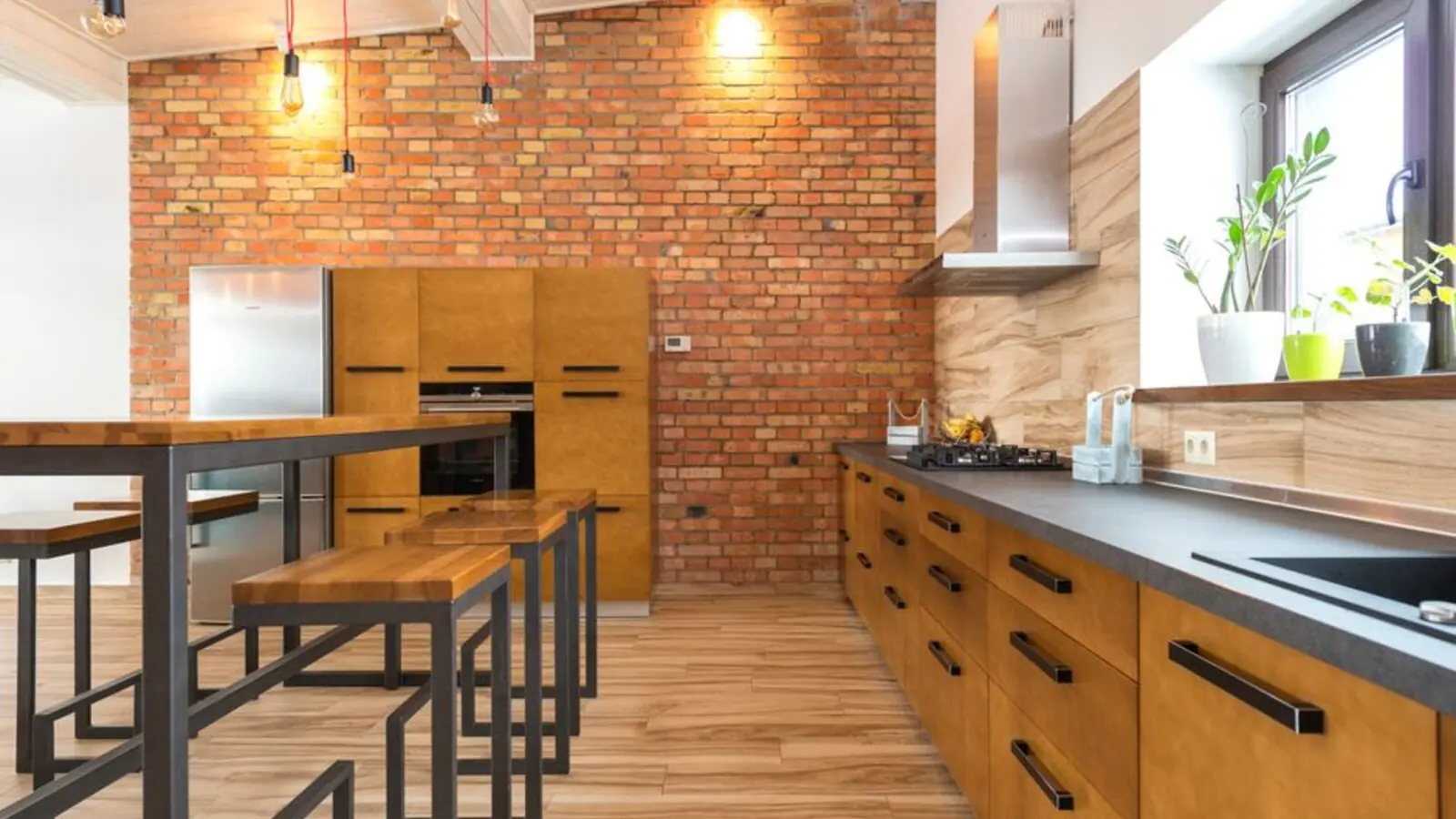
Sector 94, Noida
2, 3, 4 BHK • Price on Request
Pre-launch high-rise on Noida Expressway
Sector 96, Noida
3, 4 BHK • Rs 3.50 Cr onwards
Upcoming expressway-facing luxury towers

Sector 97, Noida
3, 4 BHK • Price on request
6-acre expressway-facing luxury address

Sector 69, Gurugram
3, 4 BHK • Price on Request
ELIE SAAB signature branded residences

Sector 67A, Gurgaon
2, 3 BHK • Rs 2.40 Cr onwards
6-acre pre-launch development
For information only — this is not an offer and creates no obligation. Prices, layouts, and photos are indicative and can change anytime. Do your own verification before making a decision. About · Projects
Share your details and our expert will call you back.