Panvel's skyline is rising as Navi Mumbai's new airport rewrites the city's real estate story.
Explore NowFor over a decade, Panvel sat on the edge of Mumbai's property conversation, a satellite town waiting for its infrastructure promises to materialise. That wait ended on December 25, 2025, when the Navi Mumbai International Airport officially commenced commercial operations with the inaugural IndiGo flight touching down at 8:00 AM. What followed wasn't a slow ripple, it was a wave that hit Panvel's property market almost immediately, and homebuyers, brokers, and developers are still working out how far it will go.
The headline number tells the story on its own. Property prices in the Panvel region have jumped 74% since 2021, a surge that accelerated sharply once the airport moved from construction milestone to operating reality. Some micro-markets within the airport's influence zone have moved even faster, with residential plots in Panvel witnessing a staggering 93% growth over the last four years. Analysts caution that this isn't a speculative spike disconnected from fundamentals, the region is not overheated, and there's genuine demand for housing, with supply being absorbed steadily rather than sitting vacant.
Supply data backs up the demand story. An ANAROCK report shows Panvel added 42,330 homes between 2021 and the first half of 2026, outpacing growth in established Navi Mumbai nodes. One-bedroom units made up 43% of that supply and two-bedroom homes another 42%, meaning affordable and mid-income configurations together account for 85% of everything launched in the corridor. That mix reflects a market still calibrated for genuine end-users rather than only high-ticket investors, even as prices climb.
What's driving this beyond the airport itself is a cluster of infrastructure that finally arrived together. The Atal Setu, the Mumbai-Pune Expressway, the Sion-Panvel Highway, the Panvel-Karjat rail corridor and emerging metro connectivity are all improving access to Mumbai, Navi Mumbai, Pune and the wider Konkan region simultaneously. Panvel Junction itself is the only station in the region sitting on both the Central line and the Harbour line, giving residents direct rail access to Mumbai CST, Thane and Vashi from a single platform. Add to that the confirmed Metro M-24 corridor linking the airport, Panvel and NAINA, and the picture of a well-connected node rather than an isolated suburb becomes clear.
JLL's August 2026 research frames this as an entirely new real estate corridor, one stretching from the terminal itself to Ulwe, Panvel, Kharghar, Taloja, Karanjade, New Panvel and Dronagiri, with Navi Mumbai accounting for 34.5% of residential sales across the Mumbai Metropolitan Region in Q1 2026 according to Economic Times. Within that corridor, Ulwe has captured the sharpest short-term appreciation due to sheer proximity to the terminal, while Panvel's advantage is different, its growth rests on a broader base of established rail, road and social infrastructure that doesn't depend on a single catalyst.
For buyers weighing entry points, the affordability gap versus older Navi Mumbai nodes is still the biggest argument in Panvel's favour. Vashi, Belapur and Kharghar are trading at Rs 18,000 to Rs 25,000 per sq ft, while 1 BHK and 2 BHK configurations remain accessible in the Rs 40 lakh to Rs 80 lakh range across organised, RERA-registered projects in Panvel and its surrounding pockets. Rental yields are climbing too, a 2 BHK in Panvel currently rents for Rs 12,000 to Rs 20,000 a month, and that rental strength alongside rising capital values is unusual for an MMR market where yields have historically stayed compressed.
Looking ahead, most industry estimates converge on a similar range, sustained annual appreciation of 8% to 12% for properties within the airport's influence area over the next five to seven years, as the region matures into an aviation, logistics and hospitality hub in its own right. The airport's operational ramp-up through 2027 is expected to trigger a second wave of commercial demand in Panvel, particularly around logistics, hospitality and airport-support services, layering employment-driven housing demand on top of the connectivity story that's already playing out. For homebuyers evaluating Panvel today, the consensus among analysts is straightforward, the easy early gains have largely been priced in, but the underlying growth drivers, jobs, transit and genuine end-user demand, are structural rather than speculative, which is exactly the kind of market fundamentals worth watching closely before making a move.


Sector 111, Dwarka Expressway, Gurugram
2.5, 3.5 BHK • Price on Request
Low-rise floors on Dwarka Expressway
Sector 128, Noida
3, 4 BHK • Price on Request
73-acre pre-launch on Noida Expressway
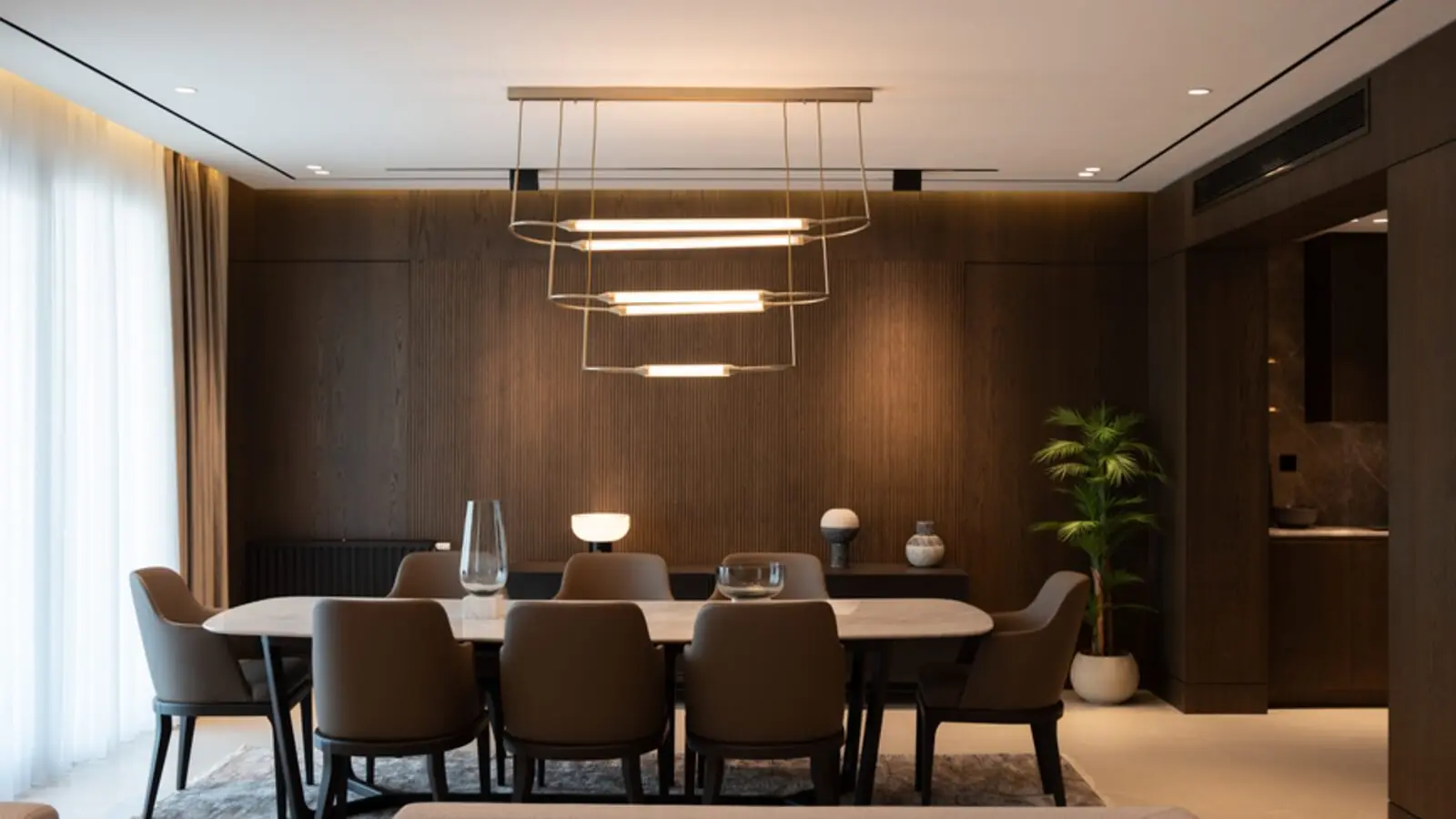
Sector 62, Golf Course Extension Road, Gurugram
2.5, 3 BHK • Rs 3.30 Cr onwards
Upcoming luxury launch off Golf Course Extension Road
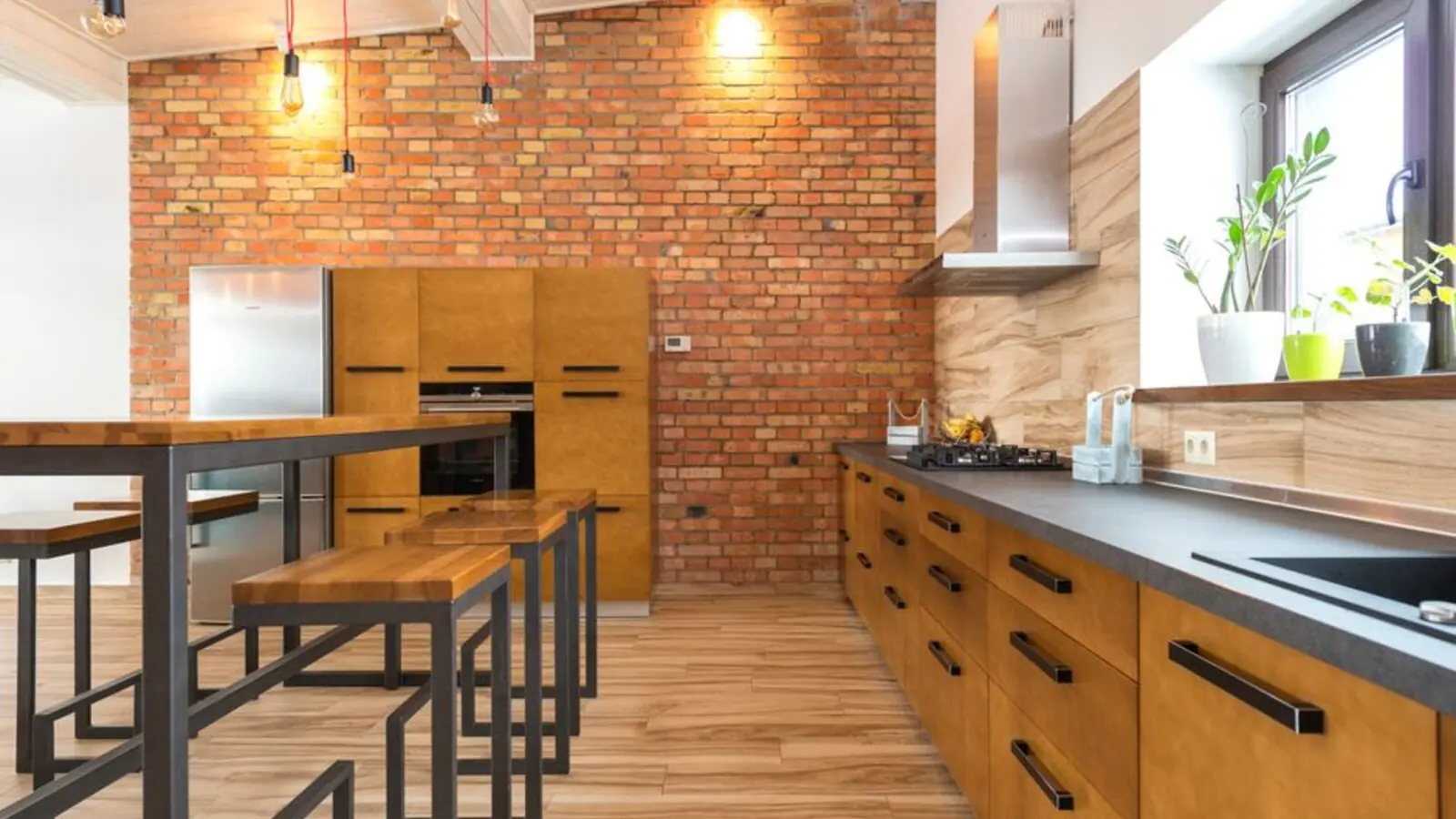
Sector 94, Noida
2, 3, 4 BHK • Price on Request
Pre-launch high-rise on Noida Expressway
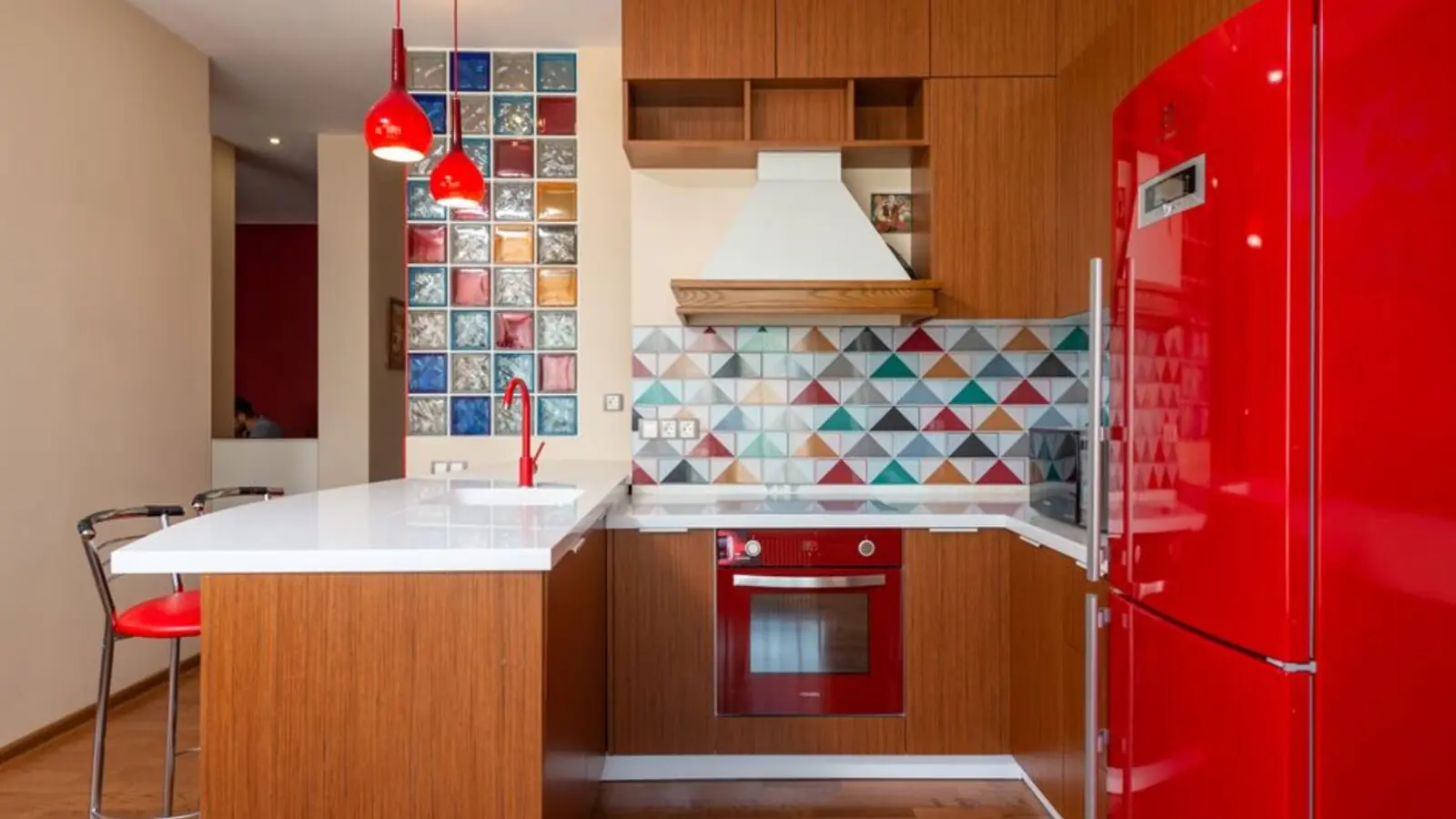
Sector 96, Noida
3, 4 BHK • Rs 3.50 Cr onwards
Upcoming expressway-facing luxury towers

Sector 97, Noida
3, 4 BHK • Price on request
6-acre expressway-facing luxury address

Sector 69, Gurugram
3, 4 BHK • Price on Request
ELIE SAAB signature branded residences

Sector 67A, Gurgaon
2, 3 BHK • Rs 2.40 Cr onwards
6-acre pre-launch development
For information only — this is not an offer and creates no obligation. Prices, layouts, and photos are indicative and can change anytime. Do your own verification before making a decision. About · Projects
Share your details and our expert will call you back.