NMIA takes flight — Navi Mumbai's next big property boom starts now.
Explore NowThe Navi Mumbai International Airport (NMIA) is no longer a promise on paper — it's flying. After decades of planning and delays, the greenfield airport at Ulwe officially entered commercial service, with the inaugural IndiGo flight arriving from Bengaluru on the morning of December 25, 2025. Operations began modestly, with the airport running a 12-hour window between 8 AM and 8 PM and handling 23 scheduled daily departures across IndiGo, Air India Express and Akasa Air. That ramp-up has been swift and deliberate — by February 2026, NMIA transitioned to round-the-clock operations, expanding to 34 daily departures to match the surging demand from the Mumbai Metropolitan Region.
Owned in a 74:26 partnership between Adani Airport Holdings and the state's CIDCO, NMIA's Phase 1 is built to handle 20 million passengers a year, with the fully built-out airport eventually scaling to 90 million passengers annually as more terminals and runways come online. Union Minister Kinjarapu Rammohan Naidu, reviewing the project ahead of launch, called it a facility that would serve as a crucial alternative gateway for the city, while MoS Murlidhar Mohol termed it a genuine game-changer for the region's growth trajectory.
Connectivity is the other half of this story. The Mumbai Trans-Harbour Link (Atal Setu), built by an L&T–IHI consortium and Tata Projects, has been operational since early 2024 and has already cut travel time between South Mumbai and Navi Mumbai dramatically. A planned Metro Line 8 will directly link Chhatrapati Shivaji Maharaj International Airport with NMIA, tying into the existing Metro Line 2B network so travellers can move between Mumbai's two airports without touching a road. Closer to Ulwe itself, the six-lane Ulwe Coastal Road connecting the node to the Trans-Harbour Link is roughly 60% complete as of mid-2026, according to recent tracking data.
The real estate fallout has been immediate and measurable. Panvel apartment values climbed from affordable baselines in FY21 to Rs 10,000-12,000 per sq ft by FY25 — a 74% jump in capital value that has outpaced the broader MMR market, while land plots in the vicinity have surged 93%, now trading between Rs 80,000 and Rs 85,000 per square yard. Ulwe, the node closest to the terminal, has seen rates climb from around Rs 12,300 per sq ft in 2021 to a Rs 14,500-16,600 band in 2026, with Ulwe, Panvel and Karanjade posting the sharpest year-on-year growth of 20-25% on the back of direct airport proximity.
Jobs are a big part of why this demand looks structural rather than speculative. Industry estimates suggest the airport ecosystem could directly create around 4 lakh jobs, with ripple effects across logistics, cargo, hospitality and retail feeding steady end-user housing demand rather than pure investor churn. Analysts tracking the corridor expect sustained annual price growth of 15-20% through 2030 as airport-linked infrastructure — roads, schools, hospitals, retail — matures around the aerocity.
This is exactly the kind of infrastructure-led momentum that makes emerging Navi Mumbai nodes worth watching closely. Taloja, roughly 25 minutes from the new terminal, sits just outside the immediate airport-premium zone that's already priced in — giving homebuyers a rare window to enter before the corridor fully catches up to Ulwe and Panvel valuations. Smart World's presence in this micro-market, offering low-density smart homes with resort-style amenities, is a direct bet on this connectivity-driven growth story.
For homebuyers, the takeaway from this NMIA update is straightforward: the airport is no longer a future catalyst, it's a live one. Every fresh flight schedule, metro announcement, and coastal road milestone is now translating into real, trackable price movement across Navi Mumbai's western belt — and the early-entry window that analysts keep flagging is genuinely narrowing.
Sector 111, Dwarka Expressway, Gurugram
2.5, 3.5 BHK • Price on Request
Low-rise floors on Dwarka Expressway
Sector 128, Noida
3, 4 BHK • Price on Request
73-acre pre-launch on Noida Expressway
Sector 62, Golf Course Extension Road, Gurugram
2.5, 3 BHK • Rs 3.30 Cr onwards
Upcoming luxury launch off Golf Course Extension Road
Sector 94, Noida
2, 3, 4 BHK • Price on Request
Pre-launch high-rise on Noida Expressway
Sector 96, Noida
3, 4 BHK • Rs 3.50 Cr onwards
Upcoming expressway-facing luxury towers
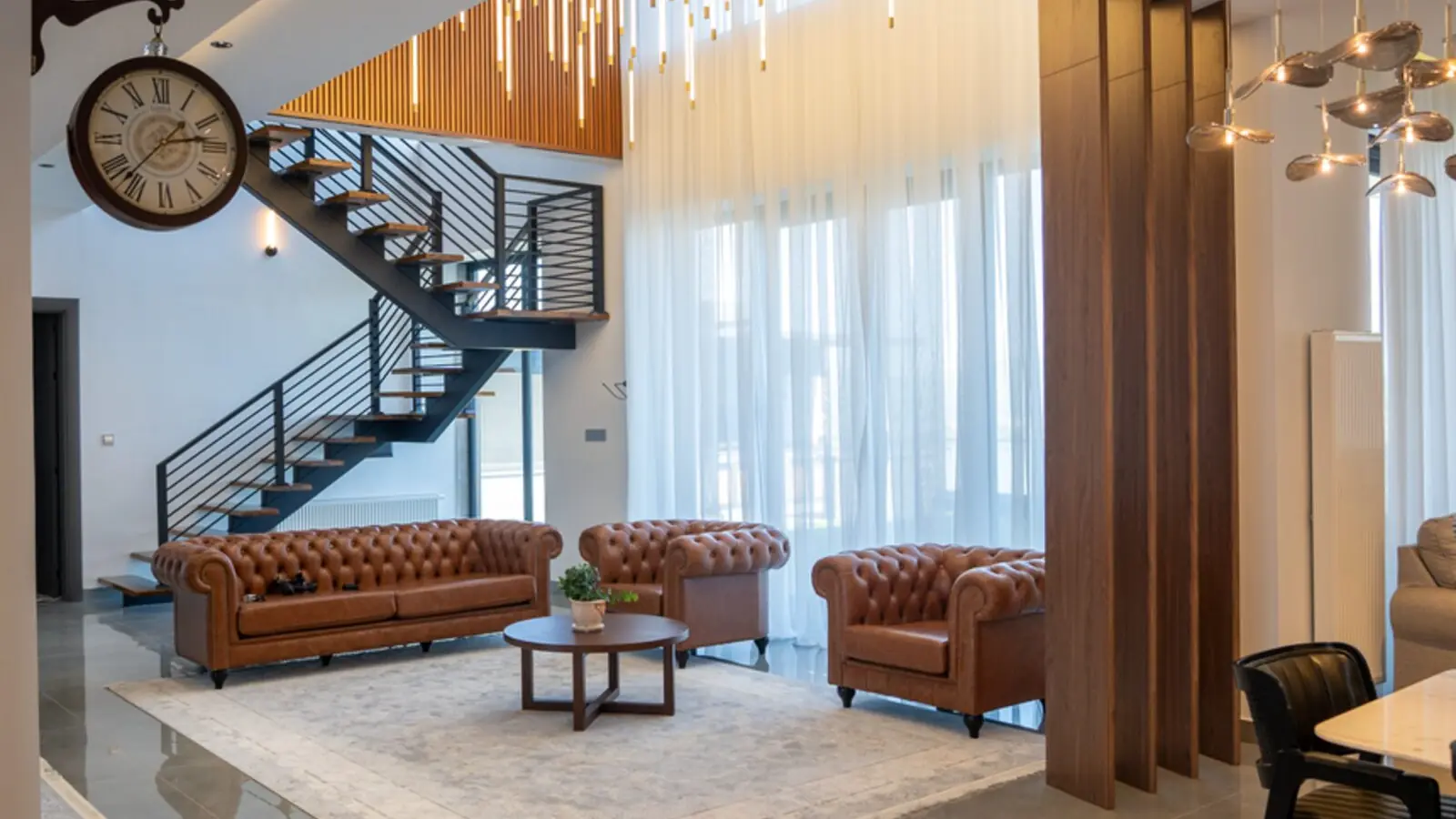
Sector 97, Noida
3, 4 BHK • Price on request
6-acre expressway-facing luxury address
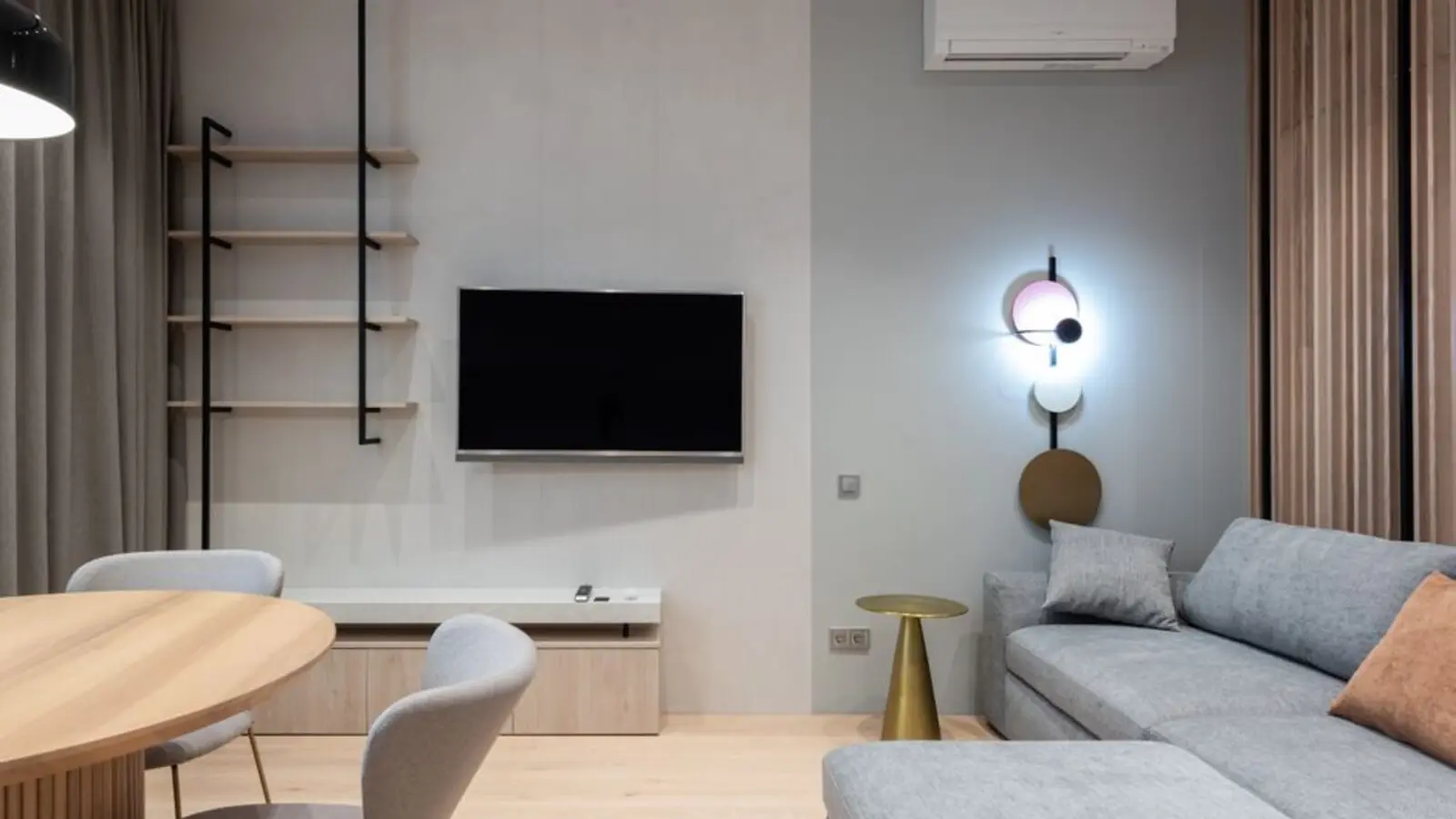
Sector 69, Gurugram
3, 4 BHK • Price on Request
ELIE SAAB signature branded residences
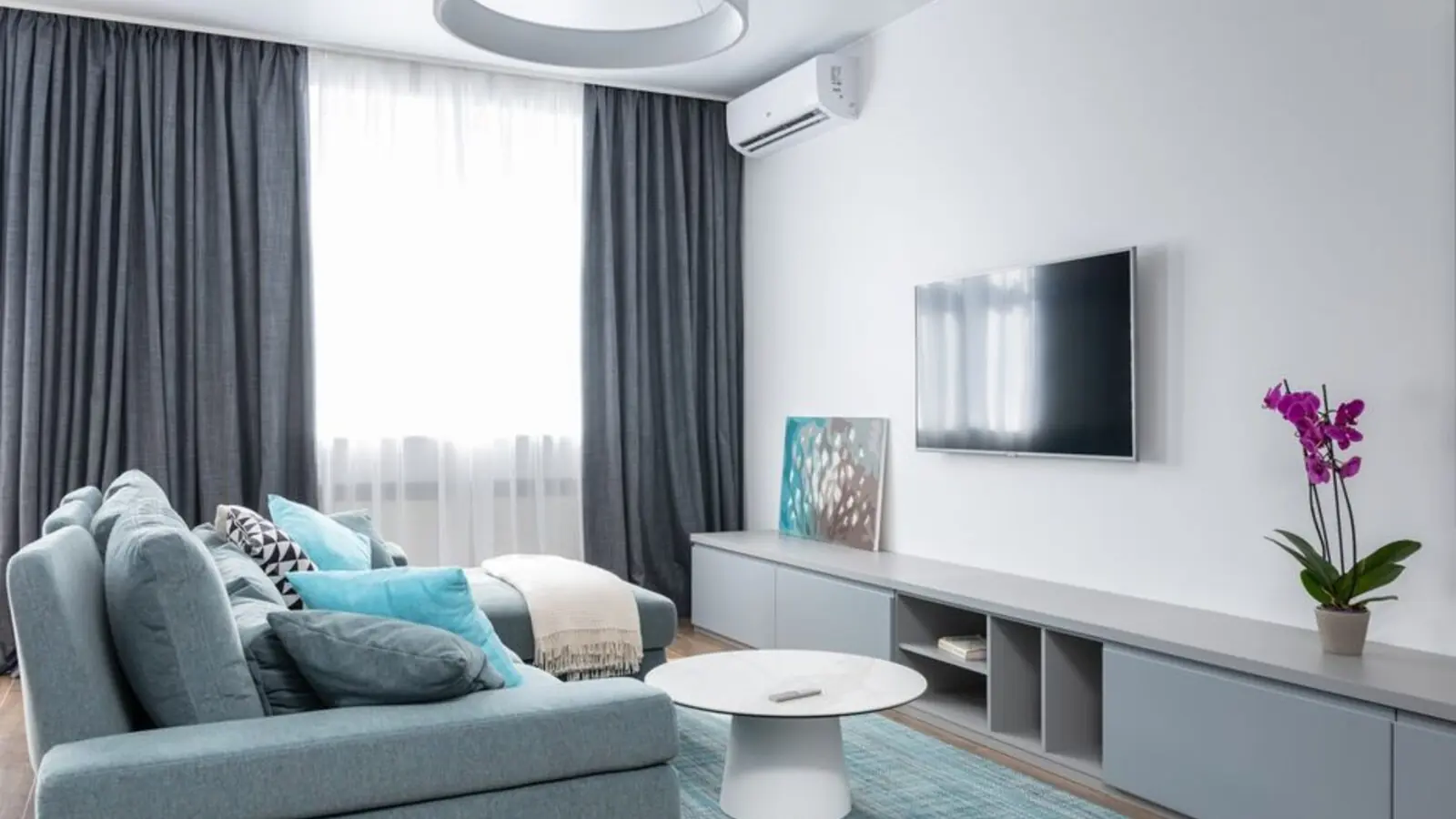
Sector 67A, Gurgaon
2, 3 BHK • Rs 2.40 Cr onwards
6-acre pre-launch development
For information only — this is not an offer and creates no obligation. Prices, layouts, and photos are indicative and can change anytime. Do your own verification before making a decision. About · Projects
Share your details and our expert will call you back.