Metro-linked sectors just got pricier — smart buyers are moving before rates climb further.
Explore NowGurugram's real estate map just got a major price recalibration. Property values along the proposed metro expansion routes in Gurugram have seen a significant spike following the administration's announcement of new collector rates for the 2026-27 fiscal year, effective from April 1, particularly near the Dwarka Expressway and upcoming metro corridors. For homebuyers tracking value appreciation, this is the clearest official signal yet that connectivity is repricing the city sector by sector.
According to the district revenue office, the hikes are not uniform — they're concentrated exactly where infrastructure is landing. According to District Revenue Officer Vijay Yadav, the most substantial increases are concentrated in areas directly benefiting from improved connectivity, with some sectors seeing rates jump by as much as 75 per cent. Legacy hubs are feeling it too: DLF Phases 1 through 5 have recorded increases ranging from 45 per cent to 75 per cent, with DLF Phase 2 and Phase 3 hitting the upper limit of that bracket.
Industry data backs the trend with sharper granularity. Gurugram's real estate market is poised for a sharp recalibration in 2026, with projected circle rate revisions indicating increases ranging from 15 per cent to 75 per cent across residential, commercial, and industrial segments, suggesting a structural move towards aligning government-notified circle rates with prevailing market prices. As Kartikeya Sharma of Square Yards put it, "The 2026 revision reflects a clear shift toward market-aligned pricing, with circle rate increases ranging from 15 per cent to 75 per cent across Gurugram."
The Dwarka Expressway and Southern Peripheral Road (SPR) belt is leading the surge. The Dwarka Expressway corridor continues to lead growth trends, with commercial land across several sectors expected to rise by 75%, reaching ₹2,04,750 per sq. yard, while residential sectors from 104 to 115 may increase by 30% to ₹2,24,796 per sq. yard. Nearby commercial pockets aren't far behind, with Sectors 9 and 9A also likely to record a strong 45% increase in commercial rates.
Golf Course Extension and SPR sectors show similarly steep moves. Residential rates in Sectors 63, 63A, 64, and 67 are set to rise by 45%, from ₹58,500 to ₹84,825 per sq. yard, while nearby sectors including 62, 65, 66, 69, 70, 71, and 72 are expected to see a 30% increase, reaching ₹91,000 per sq. yard. Manesar, riding on industrial expansion, is another hotspot — industrial rates in IMT Manesar Sector 1 are projected to increase by 30%, while residential sectors such as 81 and 78 may register steep 60% hikes, driven by industrial expansion and improved connectivity.
Not every micro-market is moving at the same pace, though. Established, well-saturated pockets are seeing far gentler corrections. Key growth corridors such as Dwarka Expressway and Southern Peripheral Road are witnessing hikes of up to 75 per cent, while emerging residential sectors are seeing 30–45 per cent appreciation — in contrast, established locations like Sector 29 are recording relatively moderate increases of around 15 per cent, highlighting a maturing and stabilising market. Group housing valuations are also inching up, with group housing rates expected to rise by about 10% in established sectors and from ₹6,500 to ₹7,000 per sq. ft. in emerging areas.
For homebuyers, the takeaway is straightforward: registration and stamp duty costs will rise in these zones, but so will the long-term value case. Sharp official revision often indicates growing government confidence in that corridor's real estate value, which may reduce some valuation opacity in the market and create more disciplined pricing benchmarks over time. Projects positioned directly on these corridors — think Dwarka Expressway (Sector 113) and SPR/Golf Course Extension (Sector 69) — are exactly where Smart World has planted its flagship developments, putting early buyers in a strong spot as official valuations catch up to what the market has already been signalling for months.

Sector 111, Dwarka Expressway, Gurugram
2.5, 3.5 BHK • Price on Request
Low-rise floors on Dwarka Expressway
Sector 128, Noida
3, 4 BHK • Price on Request
73-acre pre-launch on Noida Expressway
Sector 62, Golf Course Extension Road, Gurugram
2.5, 3 BHK • Rs 3.30 Cr onwards
Upcoming luxury launch off Golf Course Extension Road
Sector 94, Noida
2, 3, 4 BHK • Price on Request
Pre-launch high-rise on Noida Expressway
Sector 96, Noida
3, 4 BHK • Rs 3.50 Cr onwards
Upcoming expressway-facing luxury towers
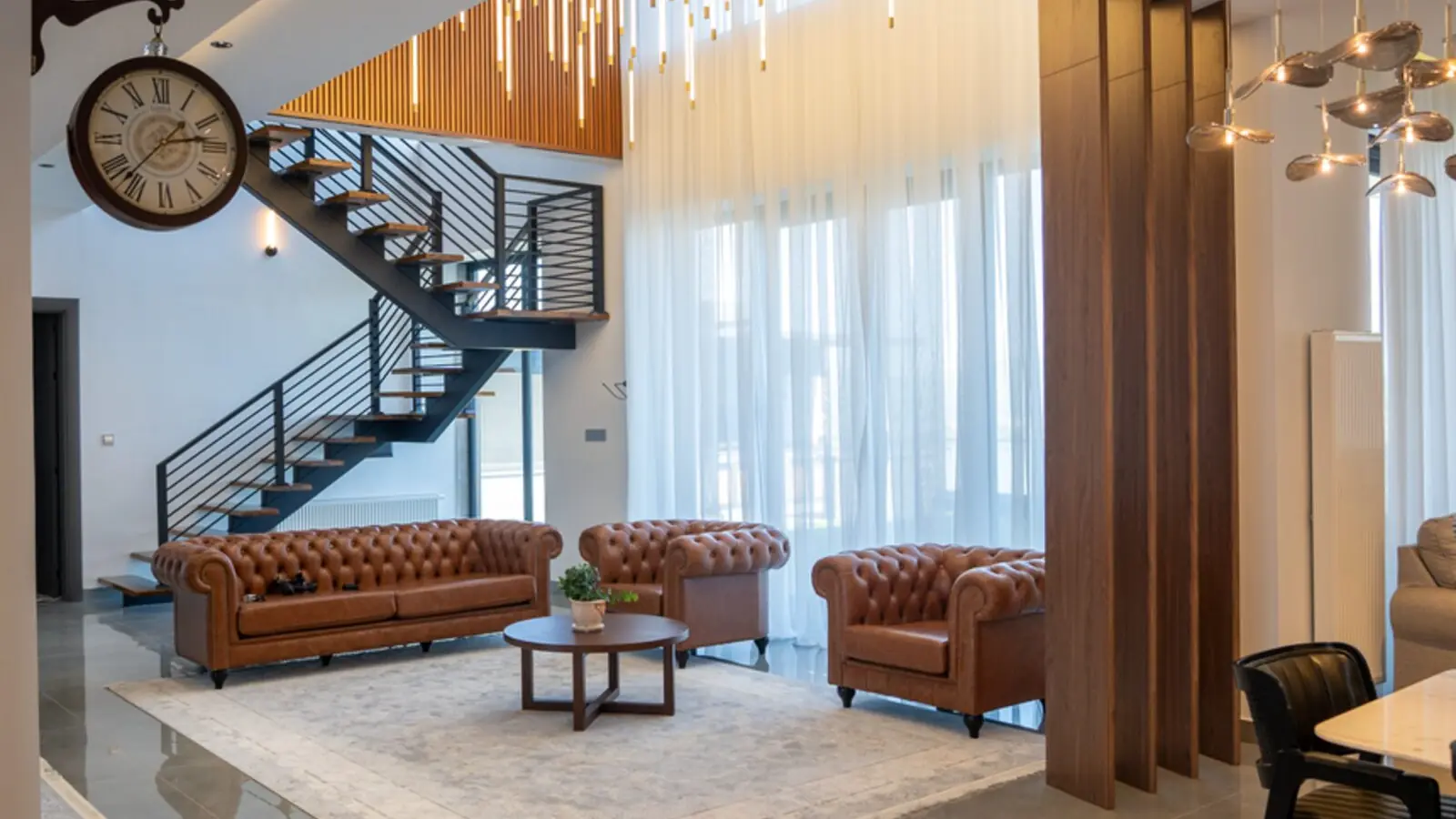
Sector 97, Noida
3, 4 BHK • Price on request
6-acre expressway-facing luxury address
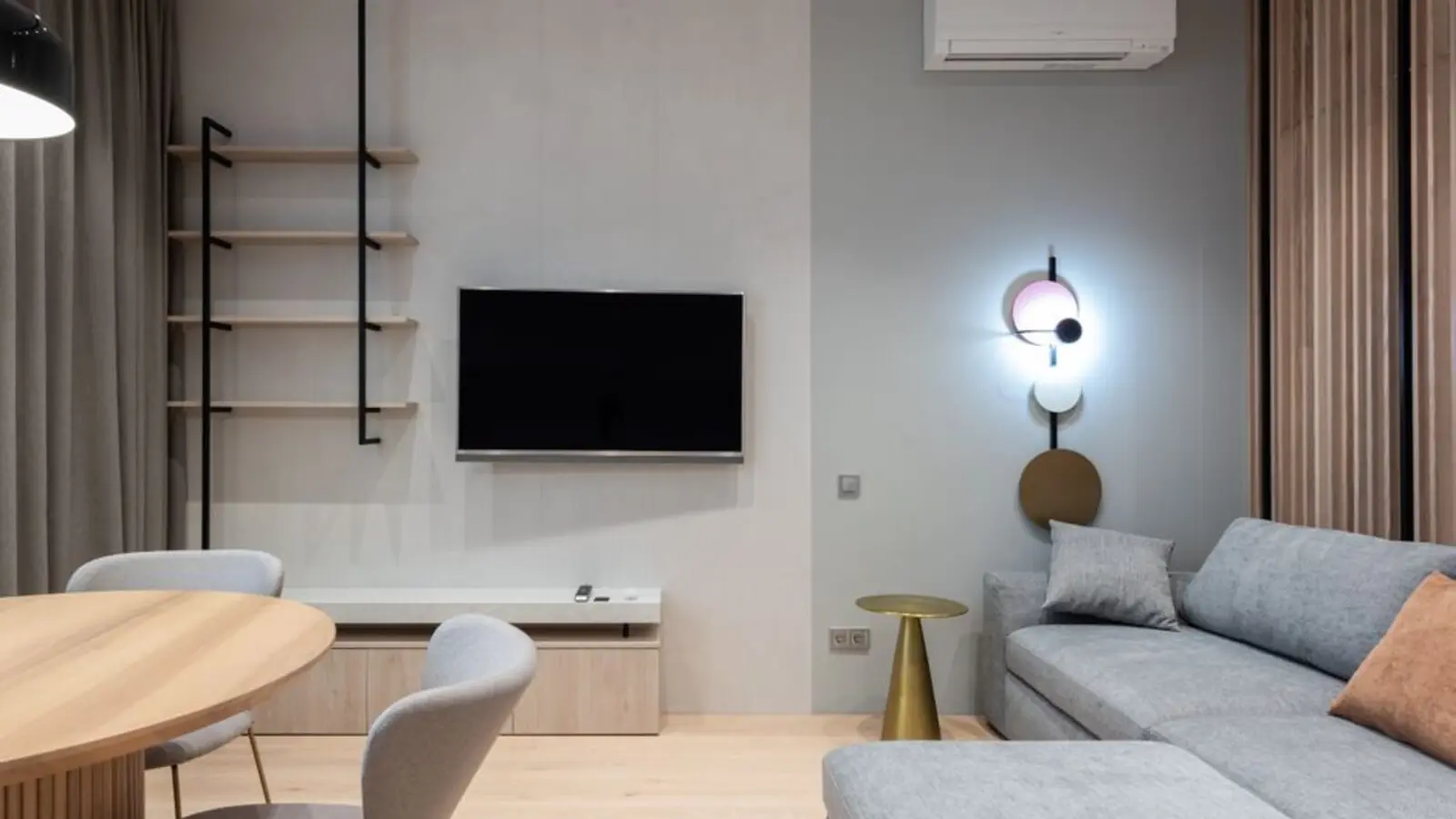
Sector 69, Gurugram
3, 4 BHK • Price on Request
ELIE SAAB signature branded residences
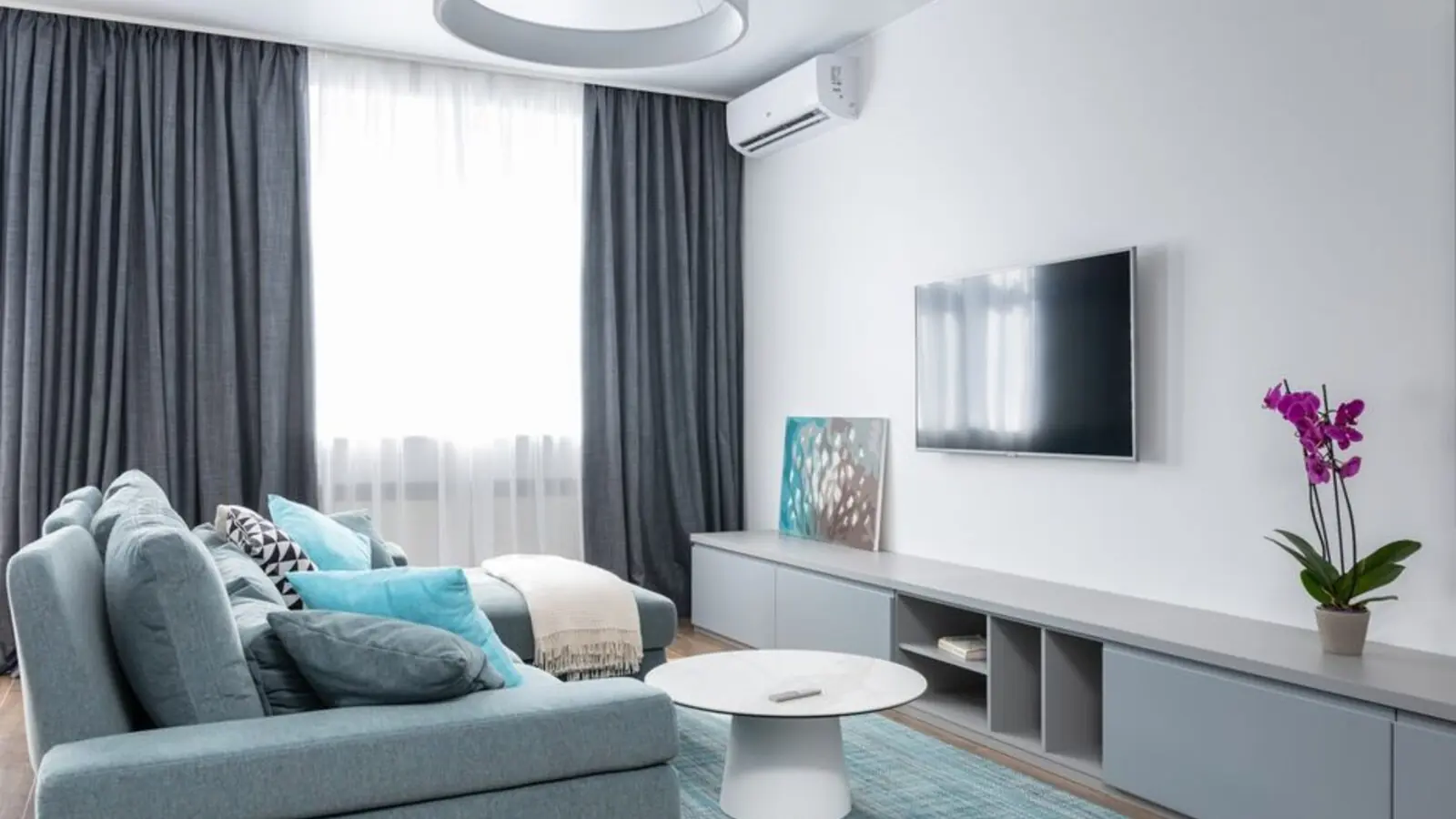
Sector 67A, Gurgaon
2, 3 BHK • Rs 2.40 Cr onwards
6-acre pre-launch development
For information only — this is not an offer and creates no obligation. Prices, layouts, and photos are indicative and can change anytime. Do your own verification before making a decision. About · Projects
Share your details and our expert will call you back.