Affordable Housing Trends in Mumbai Suburbs 2026

Buyers abandon overpriced core suburbs for high-growth affordable corridors with metro connectivity

Explore Now

Why Mumbai Homebuyers Are Shifting to Emerging Affordable Corridors in 2026

With rising property prices in South Mumbai and central locations, buyers are increasingly looking towards suburbs like Thane, Navi Mumbai, and Panvel. This seismic shift reflects a fundamental change in how Mumbai's property market operates—one driven by hard economics and infrastructure reality rather than prestige alone.

Emerging corridors like Thane, Navi Mumbai, and redevelopment-driven central suburbs may outperform due to better affordability and stronger infrastructure momentum. The numbers tell the story. In early 2026, there was a significant 8 percent increase in property registrations in the city compared to previous years, with Mumbai witnessing a 14 percent annual increase in home prices, driven by strong demand for premium and mid-segment housing options.

But affordability remains the genuine draw. Affordable housing hubs in Navi Mumbai, Thane, and Mira Road offer flats starting from ₹8,000 – ₹15,000 per sq. ft. Compare this to prime zones, and the gap widens—prime areas like South Mumbai, Worli, and Bandra command ₹40,000 – ₹1,00,000 per sq. ft., while mid-range localities such as Andheri, Powai, and Goregaon range between ₹20,000 – ₹40,000 per sq. ft.

Major developers are launching affordable housing projects in Virar, Vasai, Boisar, and Panvel, with unit prices starting from Rs. 20 lakh. These aren't marginal areas anymore—improved connectivity through metro and road projects is making peripheral areas more accessible, driving demand for affordable homes. Major infrastructure projects—such as Metro lines, the Coastal Road, Trans Harbour Link, and new railway corridors—are expected to positively influence prices, especially in emerging and previously under-connected areas.

According to Knight Frank's Affordability Index, homebuyers in Mumbai now spend about 48 per cent of their income on EMIs, down from 50 per cent last year – the first time the city's affordability ratio has fallen below the 50 per cent threshold. Millennials and Gen Z buyers are entering the market, with many opting for affordable housing options that offer good value for money. This demographic shift is reshaping entire micro-markets. Vasai and Palghar are emerging hubs, with Mumbai's extended suburban areas led by Vasai's emergence as the 'Fourth Mumbai' steering 2026 real estate trends. Mega townships, improved rail and metro connectivity, and greenfield developments are likely to drive demand among value-conscious buyers seeking scale and community living.

The shift isn't haphazard. Industry participants describe Mumbai 3.0 as the next phase of metropolitan expansion, driven by infrastructure investments, improved connectivity and the search for affordable housing options amid rising property prices in established markets. Smart buyers recognize that extended suburbs like Mira Road, Vasai, Virar, Panvel, and parts of Thane remain significantly more affordable than central Mumbai, especially when compared on a price-per-square-foot basis.
Narrative

SMART WORLD Projects

Smart World Sector 111 Floors
Pre-Launch

Smart World Sector 111 Floors

Sector 111, Dwarka Expressway, Gurugram

2.5, 3.5 BHK • Price on Request

Low-rise floors on Dwarka Expressway
Smart World Sector 128
Pre-Launch

Smart World Sector 128

Sector 128, Noida

3, 4 BHK • Price on Request

73-acre pre-launch on Noida Expressway
Smart World Sector 62
Pre-Launch

Smart World Sector 62

Sector 62, Golf Course Extension Road, Gurugram

2.5, 3 BHK • Rs 3.30 Cr onwards

Upcoming luxury launch off Golf Course Extension Road
Smart World Sector 94 Noida
Pre-Launch

Smart World Sector 94 Noida

Sector 94, Noida

2, 3, 4 BHK • Price on Request

Pre-launch high-rise on Noida Expressway
Smart World Sector 96 Noida
Pre-Launch

Smart World Sector 96 Noida

Sector 96, Noida

3, 4 BHK • Rs 3.50 Cr onwards

Upcoming expressway-facing luxury towers
Smart World Sector 97
Pre-Launch

Smart World Sector 97

Sector 97, Noida

3, 4 BHK • Price on request

6-acre expressway-facing luxury address
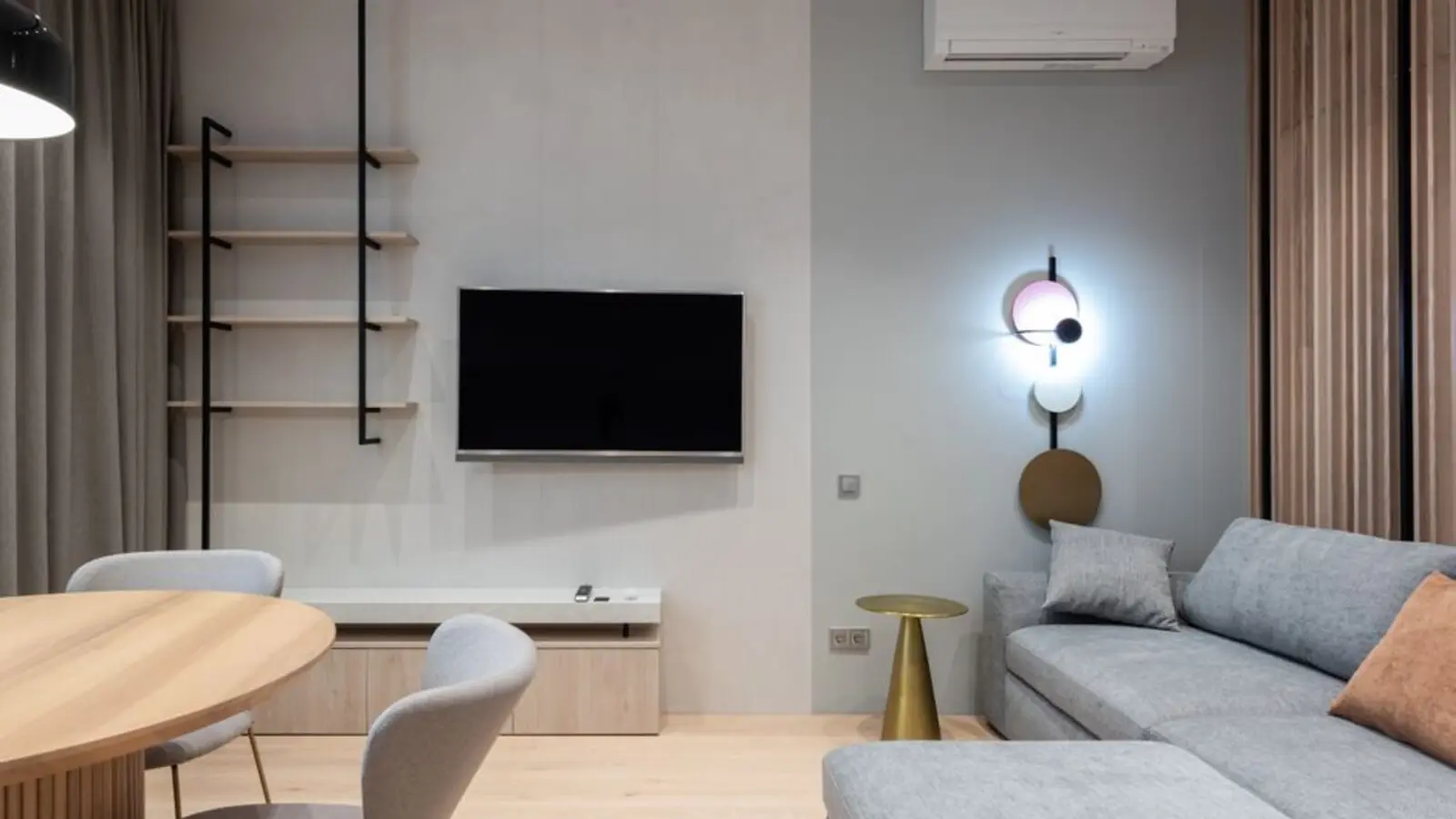
Smartworld Orchard Street, Sector 69, Gurugram
Pre-Launch

Smartworld Orchard Street, Sector 69, Gurugram

Sector 69, Gurugram

3, 4 BHK • Price on Request

ELIE SAAB signature branded residences
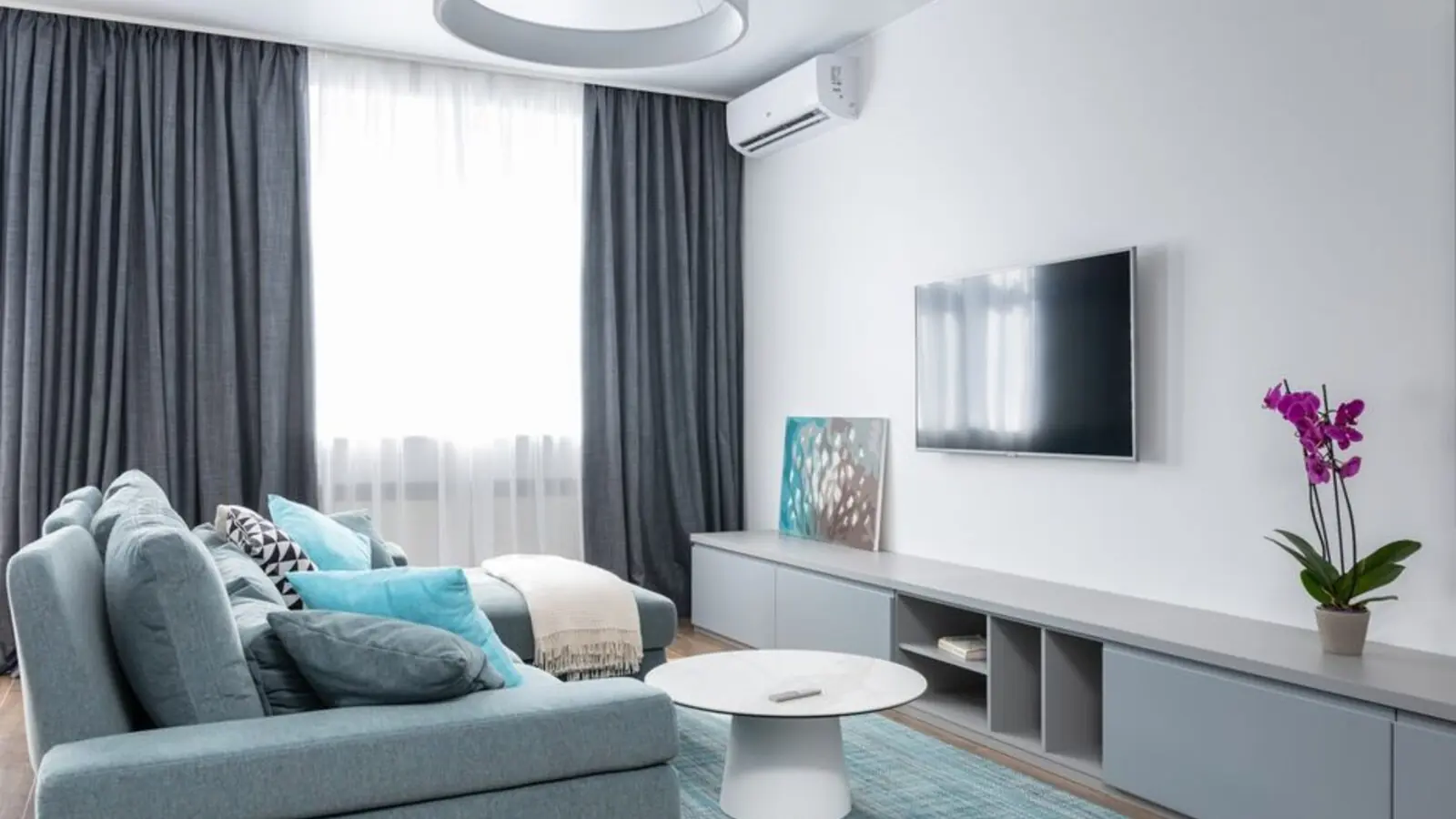
Smartworld Wellness Residences (Sector 67A)
Pre-Launch

Smartworld Wellness Residences (Sector 67A)

Sector 67A, Gurgaon

2, 3 BHK • Rs 2.40 Cr onwards

6-acre pre-launch development

Book a Visit

Schedule Your Visit

Back

Quick Answers

Which emerging corridors in Mumbai have the strongest growth potential in 2026?
Locations like Andheri East, Goregaon, Malad, Borivali, Kandivali, Mira Road, Virar, Chembur, Mulund, and Panvel offer excellent options for budget property. Panvel has emerged as the biggest beneficiary of the Navi Mumbai International Airport project with competitive prices, and proximity to expressways, the harbor line, and upcoming metro stations makes it ideal for buyers seeking both connectivity and growth opportunities.
Why are buyers leaving overpriced core suburbs?
Mumbai witnessed a 14 percent annual increase in home prices, and the Mumbai Coastal Road Project has reduced travel time for residents in the western corridor by 70 per cent, leading directly to a surge in prices in coastal micro-markets. This inflation is pushing middle-income buyers to emerging affordable zones with better value propositions.
What role does metro connectivity play in affordable housing demand?
These areas are gaining popularity due to metro expansion, infrastructure growth, and increasing demand for affordable housing. Developers will focus more on affordable and mid-segment housing in suburbs, making these areas hotspots for investment. Connectivity directly enhances commutability and property appreciation.
Are government schemes supporting affordable housing in 2026?
The Pradhan Mantri Awas Yojana (PMAY) continues to provide interest subsidies of up to Rs. 2.67 lakh on home loans for eligible buyers. These incentives have made homeownership more accessible, especially for first-time buyers in emerging zones.
What price range should first-time buyers expect in these corridors?
Major developers are launching affordable housing projects in Virar, Vasai, Boisar, and Panvel, with unit prices starting from Rs. 20 lakh. Projects range from compact 1 BHK units to 2-3 BHK configurations across different price tiers.
How does affordability in Mumbai suburbs compare to pre-2025 levels?
Homebuyers in Mumbai now spend about 48 per cent of their income on EMIs, down from 50 per cent last year – the first time the city's affordability ratio has fallen below the 50 per cent threshold. This improvement reflects a more balanced market with realistic pricing in emerging zones.
Which areas offer the best rental yields for investors?
With NMIA expected by August 2025 and better connectivity via MTHL, property prices near airport may rise 10–25%, and rental yields are higher too, 3–5% here vs. Mumbai's 2–3%. Areas like Panvel and Kharghar stand out for investment returns.
Is the shift to affordable suburbs a temporary trend or permanent change?
The biggest truth about Mumbai real estate in 2026 is that it is no longer a fast-money market—it is a clarity-driven market. The right location compounds. The wrong one stays flat. The market is now driven by real infrastructure, practical buyer behaviour, and selective location-based appreciation. This reflects fundamental market restructuring.
What infrastructure projects are boosting these emerging corridors?
Major infrastructure projects—such as Metro lines, the Coastal Road, Trans Harbour Link, and new railway corridors—are expected to positively influence prices, especially in emerging and previously under-connected areas. These backbone projects make peripheral zones increasingly viable for daily commutes.
Are these emerging corridors suitable for long-term wealth creation?
Investment in the best plots near Mumbai is currently yielding a compounded annual growth rate of 12% to 18% in the emerging corridors. Combined with improving connectivity and lower entry prices, these zones offer solid long-term appreciation potential for patient investors.

For information only — this is not an offer and creates no obligation. Prices, layouts, and photos are indicative and can change anytime. Do your own verification before making a decision. About · Projects