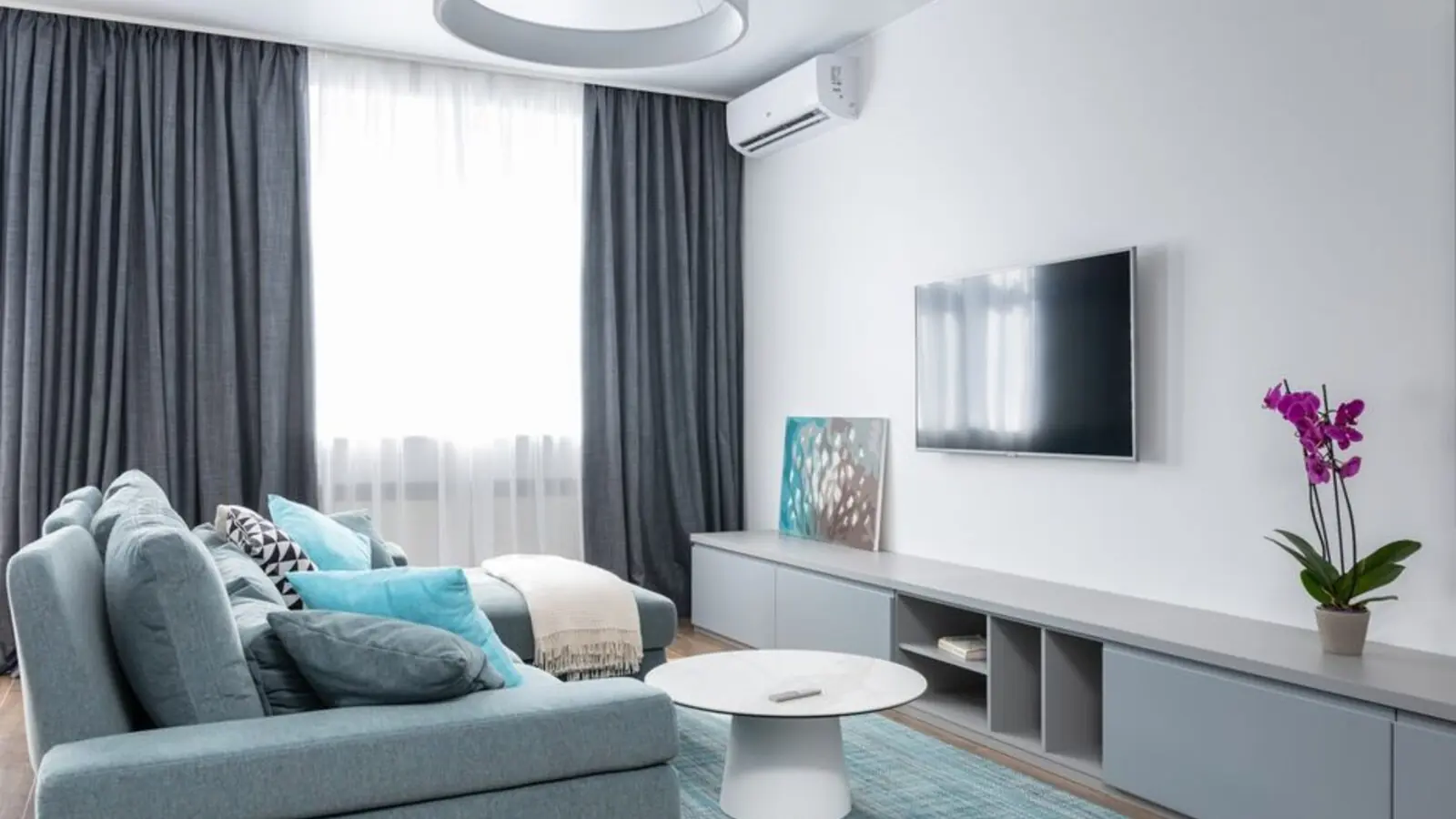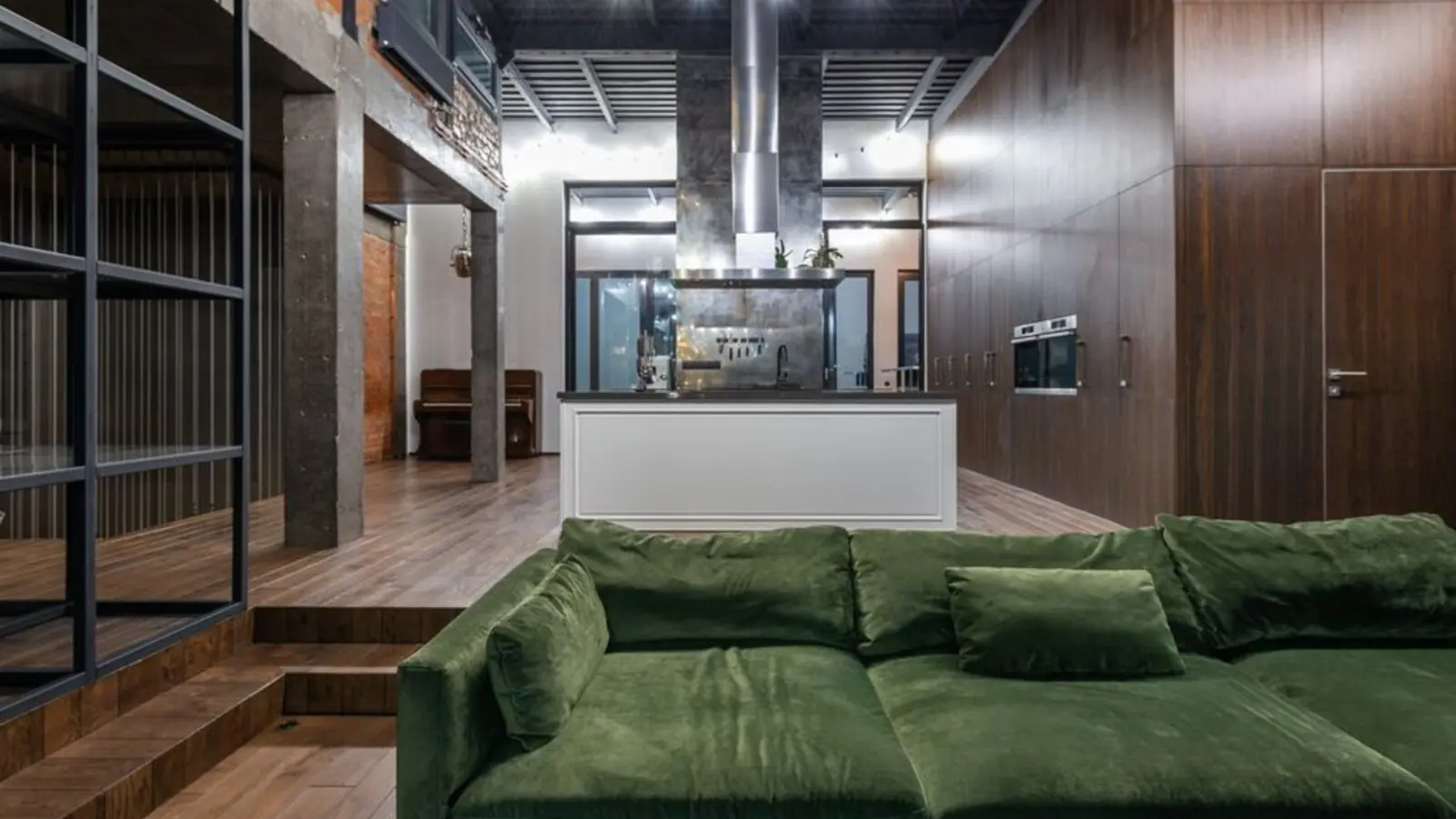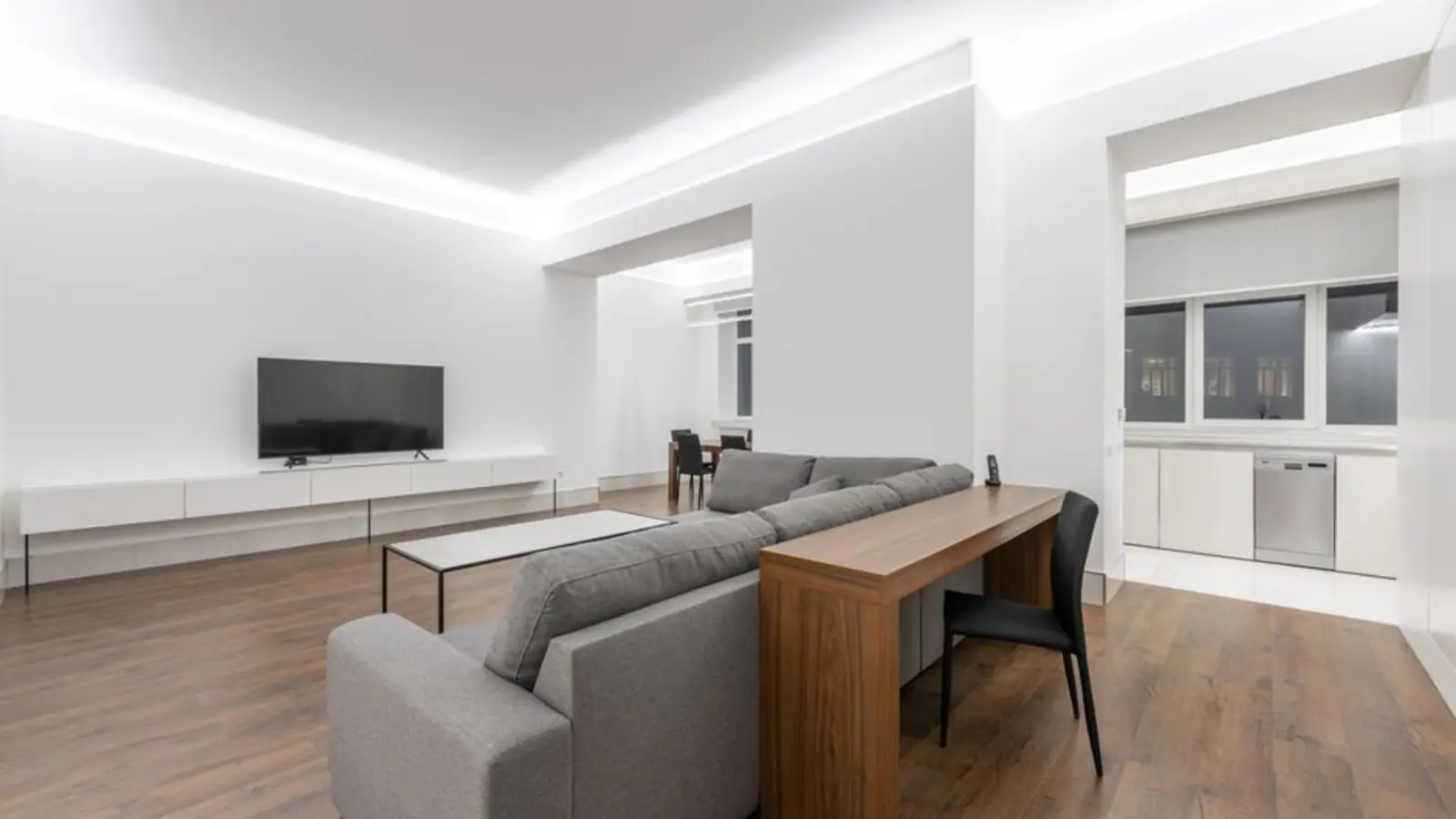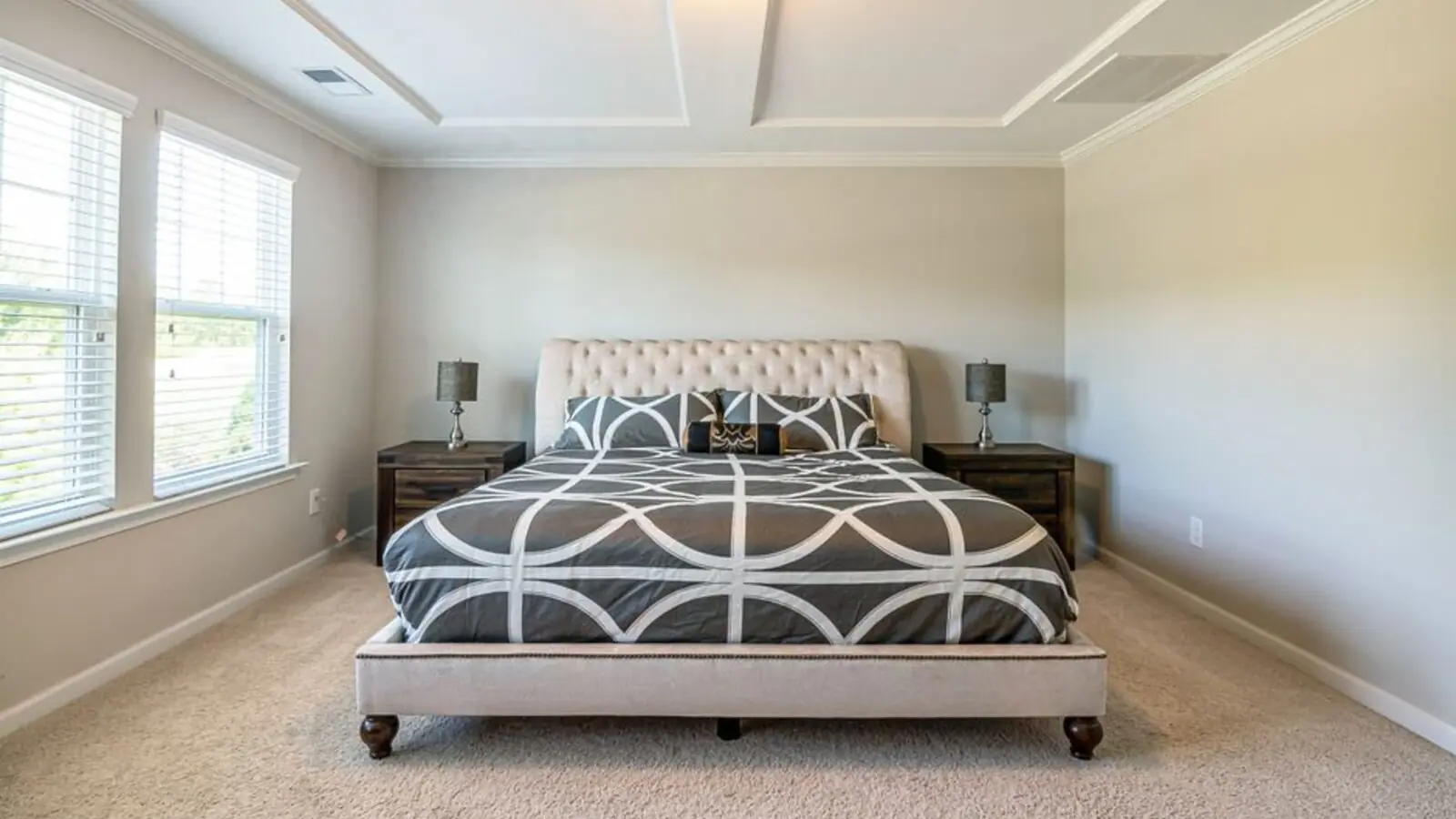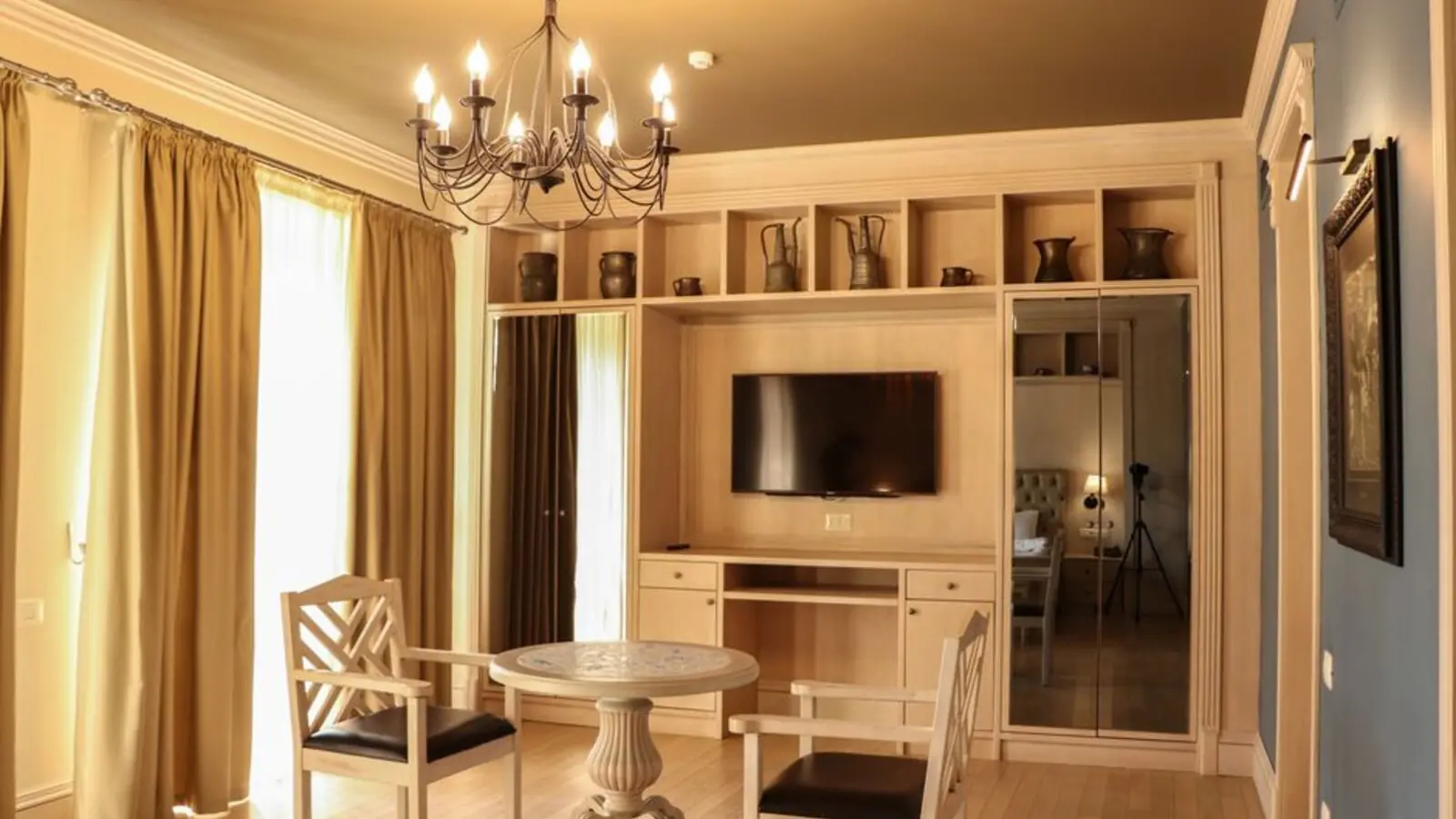
Mumbai's Next Big Address Is Here

Smart homes, a 9-hole golf course, low-density living — minutes from the new airport.

Explore Now

Mumbai Real Estate: India's Most-Watched Market Just Got Bigger

Mumbai continues to hold its title as India's costliest and most liquid housing market, and 2026 has only sharpened that reputation. Citywide average asking rates climbed to roughly ₹38,600/sqft by March 2026, up from ₹35,550/sqft in September 2025, with quarterly momentum showing the market absorbing new supply while holding firm on pricing. Buyer confidence has translated directly into paperwork: property registrations across the city grew 32% year-on-year to 12,070 units, with cumulative registrations crossing 1,11,939 units between January and September 2025, and stamp duty collections surging 47% YoY on the back of strong luxury demand.

What's changed the game for 2026 is the entry of national developers who once stayed away from Mumbai's high-entry-barrier market. Backed by promoters of the Gurugram-based M3M Group, Smart World Developers is among the newer national names bringing its low-density, golf-course-facing residential concept to the Mumbai Metropolitan Region (MMR), with a project offering 2, 3 & 4 BHK smart homes set on 25 acres with only four flats per floor. This mirrors a broader trend of NCR- and Bengaluru-origin developers scouting MMR for their next growth chapter, drawn by the scale of demand and the infrastructure-led repricing happening across Navi Mumbai and the eastern corridors.

That infrastructure story is central to why national players are entering now rather than later. The Navi Mumbai International Airport became operational in its first phase in December 2025, and the Mumbai Trans Harbour Link (Atal Setu) has already cut travel time between South Mumbai and Navi Mumbai from over an hour to around 20-25 minutes. Add the Panvel-Karjat rail corridor nearing completion and upcoming coastal roads linking Kharghar-CBD Belapur and Ulwe to the new airport, and the eastern MMR corridor is fast becoming the city's most active growth zone.

For homebuyers and investors, this translates into a market with two distinct stories: an ultra-premium, land-scarce South and Central Mumbai holding steady at legacy pricing, and a fast-appreciating Navi Mumbai-Panvel belt where infrastructure catalysts are compressing years of appreciation into a shorter window. Panvel alone recorded some of the sharpest YoY price growth of any MMR micro-market in early 2026, driven directly by airport commissioning and connectivity upgrades.

Mumbai Property Price Trends 2026

Prices across Mumbai vary sharply by micro-market, ranging from premium South Mumbai addresses to fast-growing eastern corridors near the new airport. Here's how average rates stack up across the Mumbai Metropolitan Region.

₹38,600/sqft Mumbai City Average
₹46,350/sqft South Mumbai Average
₹37,250/sqft Mumbai Harbour Zone
₹34,900/sqft Western Suburbs Average
₹33,000/sqft Central Suburbs Average
₹8,000-18,000/sqft Panvel & Navi Mumbai Entry

Top Localities to Watch in Mumbai

From legacy South Mumbai addresses to the fast-appreciating eastern corridor near the new international airport, here are the localities driving Mumbai's real estate story right now.

South Mumbai (Malabar Hill, Cuffe Parade) The city's most stable luxury housing market, driven by ultra-high-net-worth demand, heritage architecture and sea-facing addresses; premium micro-markets here command over ₹46,000/sqft.
Bandra West & Khar Known as the 'Queen of Suburbs', this cosmopolitan corridor sees average rates between ₹35,000-55,000/sqft, backed by excellent connectivity to business districts and a strong lifestyle quotient.
Powai A self-sufficient IT and startup hub that has matured into a premium township, now further boosted by Metro Line 6 connectivity linking it seamlessly to the rest of the city.
Andheri East Called the city's 'rental powerhouse', it benefits from proximity to the airport and major commercial hubs, keeping rental demand consistently high among working professionals.
Thane A go-to for first-time buyers, offering reasonable pricing, metro expansion benefits and 2BHK units typically priced between ₹1.5-3 crore with some of MMR's stronger rental yields.
Panvel The standout performer of early 2026, recording the strongest YoY price appreciation of any MMR zone on the back of Navi Mumbai International Airport's commissioning.
Ulwe & Navi Mumbai Peripheral growth zones benefiting directly from the Mumbai Trans Harbour Link and upcoming coastal roads, offering some of the most accessible entry points into MMR real estate.

Infrastructure Reshaping Mumbai's Growth Map

Mumbai is in the middle of its biggest infrastructure push in decades, spanning sea bridges, coastal expressways, metro corridors, a second international airport and India's first high-speed rail line. The Mumbai Trans Harbour Link (Atal Setu), the Coastal Road, expanding metro lines, Navi Mumbai International Airport, the Mumbai-Ahmedabad Bullet Train and the Thane-Borivali Twin Tunnel are together cutting travel time across the city and directly shaping residential and commercial property demand across the region. On the eastern side, CIDCO is developing the Kharghar-CBD Belapur Coastal Road and the Ulwe Coastal Road to strengthen last-mile access to the new airport, with the Ulwe stretch offering direct, signal-free access from the Mumbai Trans Harbour Link to NMIA while also improving links to JNPT. The state government has additionally flagged the Taloja-Khandeshwar Metro Line 2 and the nearly-complete Panvel-Karjat Rail Corridor as key projects strengthening transport infrastructure across the Mumbai Metropolitan Region, reinforcing why the Navi Mumbai-Panvel belt is emerging as the city's next growth engine.
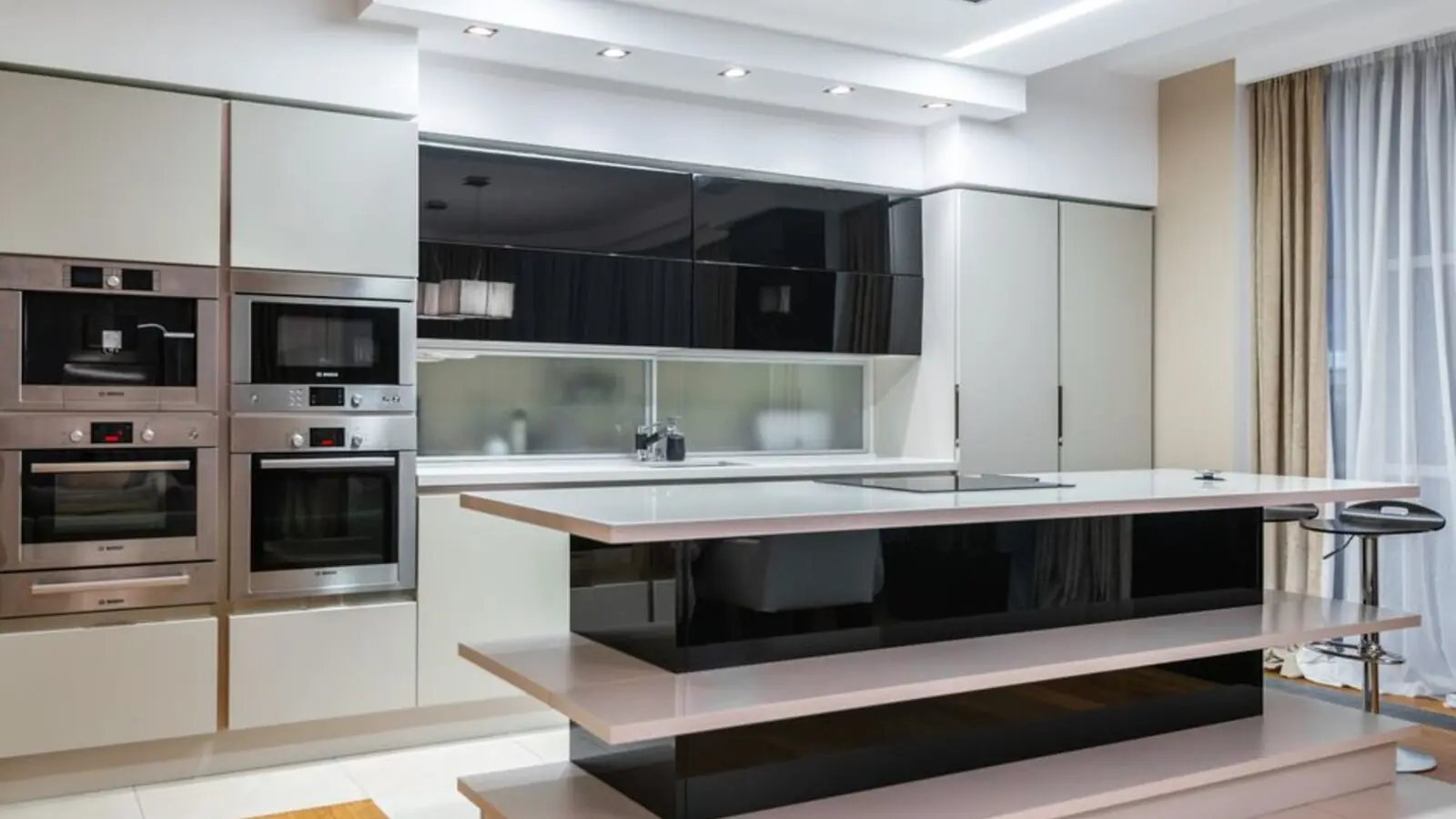
SMART WORLD Projects

SMART WORLD Moshi
Upcoming

SMART WORLD Moshi

Moshi, Pune

2, 3 BHK • Price on Request

Smart World's North Pune debut

Smart World Shewalwadi
Upcoming

Smart World Shewalwadi

Shewalwadi, Pune

2, 3 BHK • Price on Request

Upcoming high-rise homes in East Pune

Smart World Hinjewadi Phase 3
Pre-Launch

Smart World Hinjewadi Phase 3

Hinjewadi Phase 3, Pune

2, 3 BHK • Price on request

Resort-style living in Pune's IT corridor

Smart World Pune
Pre-Launch

Smart World Pune

Talegaon-Chakan Belt, Pune

2, 3 BHK • Price on Request

1 km riverside promenade & golf-inspired greens

Smart World Pune - Hinjewadi Corridor
Pre-Launch

Smart World Pune - Hinjewadi Corridor

Hinjewadi, Pune

2, 3 BHK • Price on Request

Golf-course-facing homes on NH48

Smart World Pune - Wakad
Pre-Launch

Smart World Pune - Wakad

Wakad, Pune

2, 3 BHK • Price on Request

Riverside homes with golf-inspired greens

Smart World Sector 111 Floors
Pre-Launch

Smart World Sector 111 Floors

Sector 111, Dwarka Expressway, Gurugram

2.5, 3.5 BHK • Price on Request

Low-rise floors on Dwarka Expressway
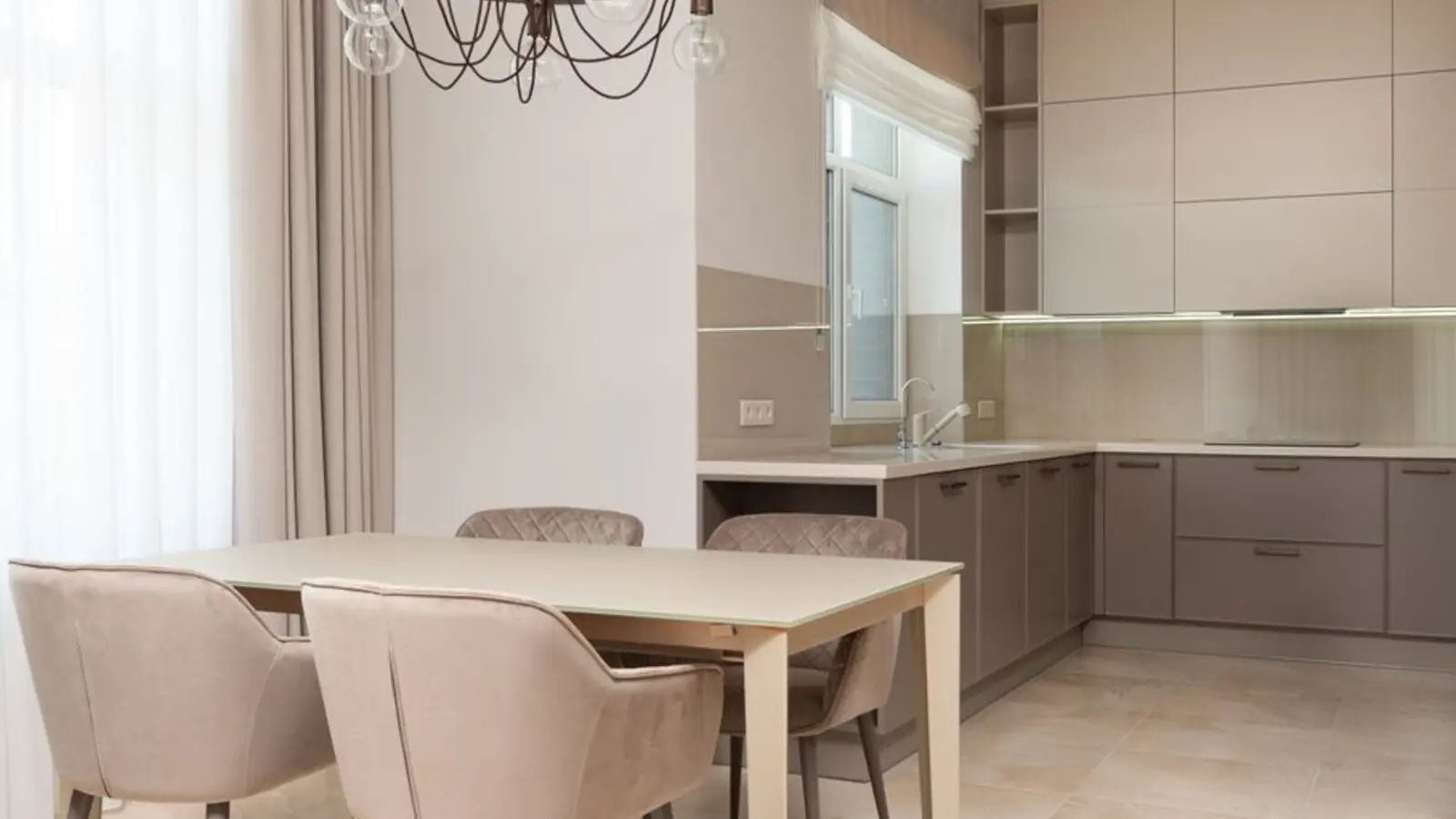
Smart World Sector 128
Pre-Launch

Smart World Sector 128

Sector 128, Noida

3, 4 BHK • Price on Request

73-acre pre-launch on Noida Expressway
Book a Visit

Schedule Your Visit

Back

Quick Answers

What is the average property price in Mumbai right now?
As of early-to-mid 2026, Mumbai's citywide average asking price is around ₹38,600 per sq ft, though this varies widely — from around ₹8,000-18,000/sqft in Panvel and outer Navi Mumbai to over ₹46,000/sqft in South Mumbai.
Which Mumbai localities offer the best investment potential in 2026?
Panvel, Ulwe and the broader Navi Mumbai belt are seeing the sharpest appreciation, driven by the Navi Mumbai International Airport and Mumbai Trans Harbour Link. Thane and Mulund remain strong picks for first-time buyers seeking value.
Does Smart World Developers have a project in Mumbai?
Yes. Smart World is bringing a residential project to the Mumbai Metropolitan Region featuring 2, 3 & 4 BHK smart homes set around a 9-hole golf course on a 25-acre parcel, located roughly 25 minutes from the upcoming international airport.
Is the Smart World Mumbai project RERA registered?
The project is being developed with Maharashtra RERA compliance in mind; the specific RERA registration number will be updated once formally issued and made public by the authority.
How has the Navi Mumbai International Airport impacted nearby real estate?
Since NMIA became operational in its first phase in December 2025, the surrounding corridor — especially Panvel and Ulwe — has already been repriced upward, with Panvel recording the strongest year-on-year appreciation of any MMR zone in early 2026.
What is the rental yield like in Mumbai?
Rental yields in Mumbai typically average 2-4% for residential properties, with Navi Mumbai and Thane generally delivering on the higher end of that range compared to South and Central Mumbai.
Why are national developers entering the Mumbai market now?
Infrastructure catalysts like the Atal Setu, Coastal Road and NMIA have opened up previously hard-to-access corridors, letting developers offer larger low-density projects at price points that weren't feasible in the older, land-scarce parts of the city.
What connectivity does Navi Mumbai have to South Mumbai and the airport?
The Mumbai Trans Harbour Link has cut travel time between South Mumbai and Navi Mumbai to around 20-25 minutes, and upcoming coastal roads plus the Panvel-Karjat rail corridor will further tighten this connectivity.
Is it a good time to buy property in Mumbai?
With record registrations, rising stamp duty collections and multiple mega-infrastructure projects nearing completion, 2026 is seen by many analysts as a strong entry window, particularly in emerging corridors like Panvel and Ulwe before prices fully stabilize.
What configurations does Smart World Mumbai offer?
The project offers 2, 3 & 4 BHK apartments designed with a Smart Home concept, ultra-low-density planning of only four flats per floor, and residences oriented toward golf course and skyline views.

For information only — this is not an offer and creates no obligation. Prices, layouts, and photos are indicative and can change anytime. Do your own verification before making a decision. About · Projects