Beyond the Ring Road, Pune's northern highway belt is becoming the city's next big growth
Explore NowPune's real estate map has always followed its roads, and in 2026 the spotlight isn't only on the much-discussed Ring Road. While the Ring Road draws most of the headlines, the Pune-Nashik Highway corridor is undergoing its own transformation, as one of the six highways the Ring Road will directly connect to. Faster movement between Pune's northern suburbs and Nashik is quietly turning industrial belts into serious residential and logistics investment zones, and the numbers on the ground back this up.
The biggest physical change coming to this corridor is the Nashik Phata to Khed elevated corridor. The Nashik Phata to Khed Elevated Corridor on Maharashtra's Pune-Nashik highway is set to alter travel dynamics by introducing an eight-lane single-pillar elevated structure, with the underlying highway widened from four to six lanes across a 30 km stretch that will fully segregate local and long-distance traffic. The scheme is being implemented by NHAI, has completed the technical bidding process, and is estimated at Rs 78.27 billion. On the ground, the segregation of traffic is expected to reduce delays that currently affect daily commuters to industrial estates and improve supply chain reliability for manufacturers, with local authorities and NHAI addressing land acquisition challenges between Bhosari and Moshi.
Further north, near Nashik itself, another widening is underway that will eventually benefit the entire corridor. The widening project focuses on the busy Dwarka–Datta Mandir stretch of the Nashik–Pune Highway, covering approximately 6.4 kilometres, and is expected to improve traffic flow, reduce congestion, and strengthen regional connectivity, boosting real estate, logistics, and industrial growth across the corridor. One of the major reasons for fast-tracking the project is the upcoming Simhastha Kumbh Mela 2027 in Nashik. Land acquisition is well advanced too, with nearly 95% of the required land for the project already in possession, while the remaining land acquisition is being completed through Transfer of Development Rights (TDR).
The corridor's importance is amplified by its link to the under-construction Pune Ring Road. The 172-kilometre outer ring road being developed by MSRDC at an estimated cost of Rs 15,857 crore connects six national highways including the Mumbai-Pune Expressway, Nashik Highway, Solapur Highway, and Bengaluru Highway, and will divert inter-state heavy traffic entirely around the city. Real estate voices tracking Pune's infrastructure cycles see a familiar pattern playing out. As one analyst piece put it, in 2026, two infrastructure stories are doing exactly that: the long-awaited Pune Ring Road and the upgrades along the Pune-Nashik Highway, a pattern that is nothing new for developers who have watched Pune grow for decades. The same commentary notes that commercial and industrial demand often follows residential interest in these corridors, particularly around Chakan's manufacturing base and the broader Pune-Nashik logistics belt.
Chakan sits at the heart of this shift. Long known as an auto-manufacturing hub, it's now drawing comparisons to Pune's established IT belts. Chakan in particular — already an automobile and manufacturing hub — is increasingly discussed in the same breath as Hinjewadi and Wagholi when investors talk about the next growth corridor. On price, as of mid-2025, average property prices in Chakan ranged between ₹4,047 and ₹4,280 per sq ft, reflecting a year-on-year growth of 7.5%. Broader data confirms the affordability angle that's pulling buyers in: in North Pune, the areas with affordable housing inventory are priced up to Rs 5,000 per sq ft, with Talegaon Dabhade, Chakan, Alandi, and Charholi Kurd offering most of this inventory. Nearby, flat prices in Talegaon Dabhade are in the range of Rs 3,800-5,650 per sq ft, with builder floor prices between Rs 3,450-4,650 per sq ft.
History suggests the appreciation curve here could be steep once connectivity fully kicks in. When the Mumbai-Pune Expressway opened, localities along its stretch saw property values rise by an estimated 20-40% within a few years, as travel time between the two cities dropped from four-plus hours to roughly two and a half. The same commentary flags a caveat worth remembering for anyone buying into peripheral zones today: RERA registration and verified land titles remain essential, especially in peripheral zones where speculative pricing can run ahead of actual construction progress.
For homebuyers, the Pune-Nashik corridor is shaping up as a classic early-mover opportunity — an industrial belt with genuine end-user and job-linked demand, backed by two large NHAI projects and a Ring Road connection still under construction. Pune has been here before, and every time a highway widens or a corridor gets a green signal, the city's real estate map redraws itself around it. Buyers evaluating Chakan, Talegaon, Moshi, or Rajgurunagar today are essentially betting on the next five years of that redrawing.
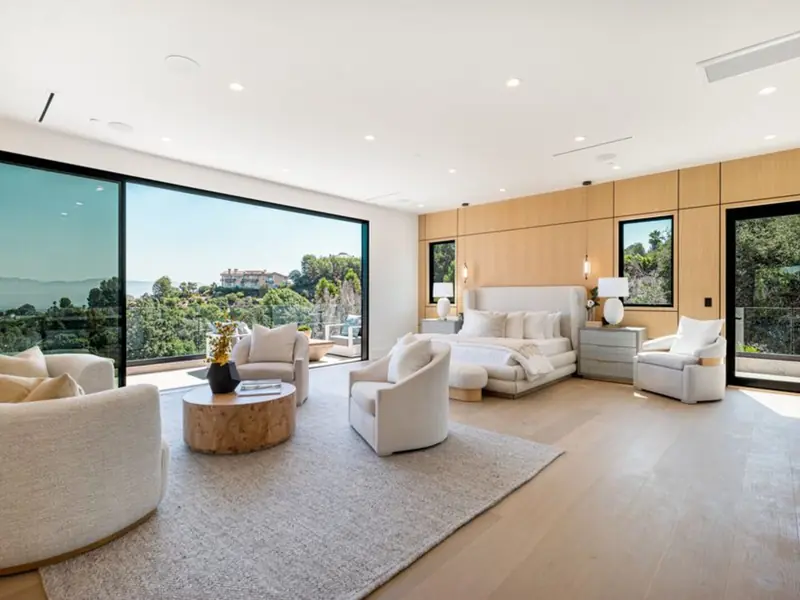
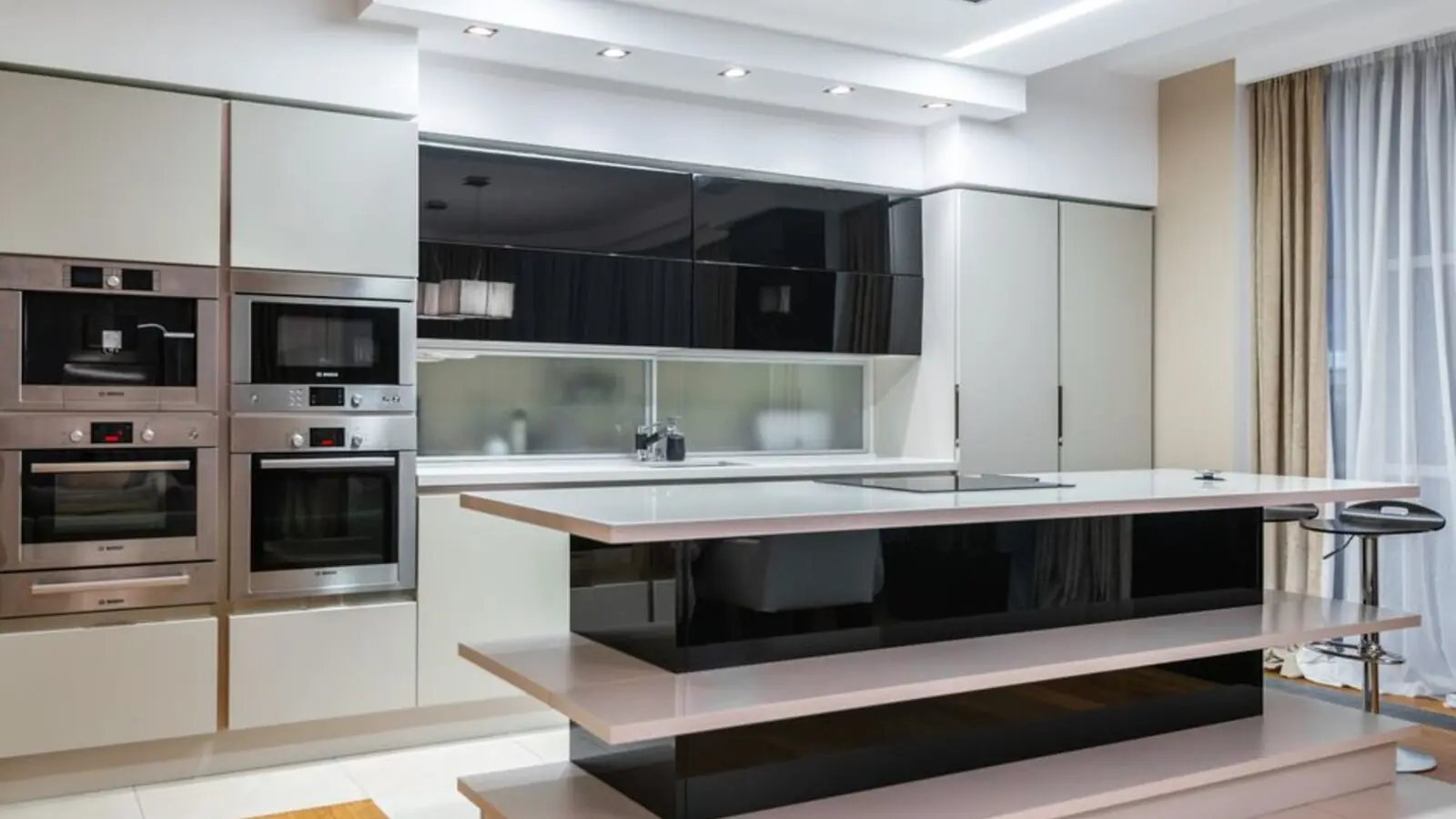
Sector 111, Dwarka Expressway, Gurugram
2.5, 3.5 BHK • Price on Request
Low-rise floors on Dwarka Expressway
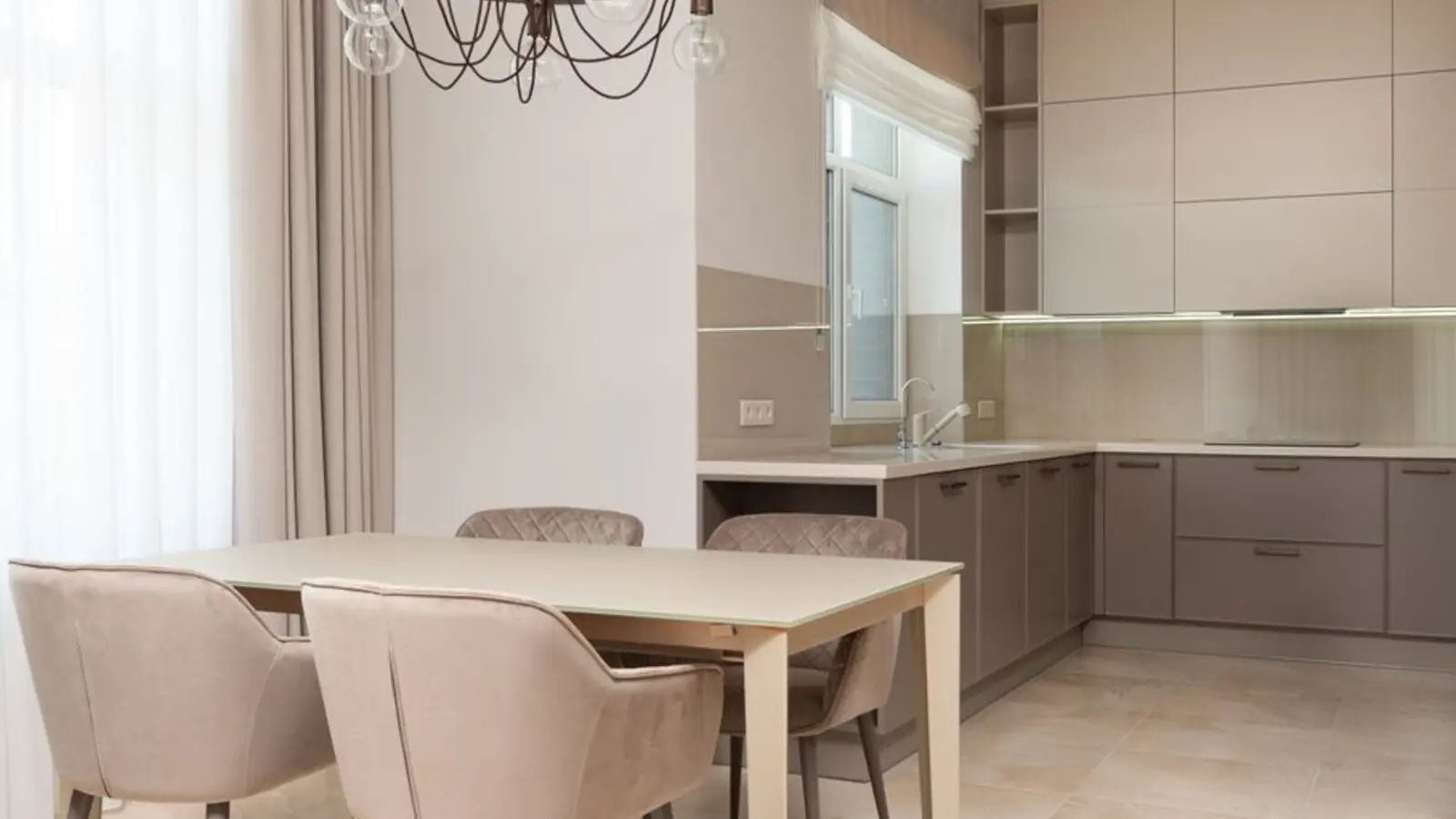
Sector 128, Noida
3, 4 BHK • Price on Request
73-acre pre-launch on Noida Expressway
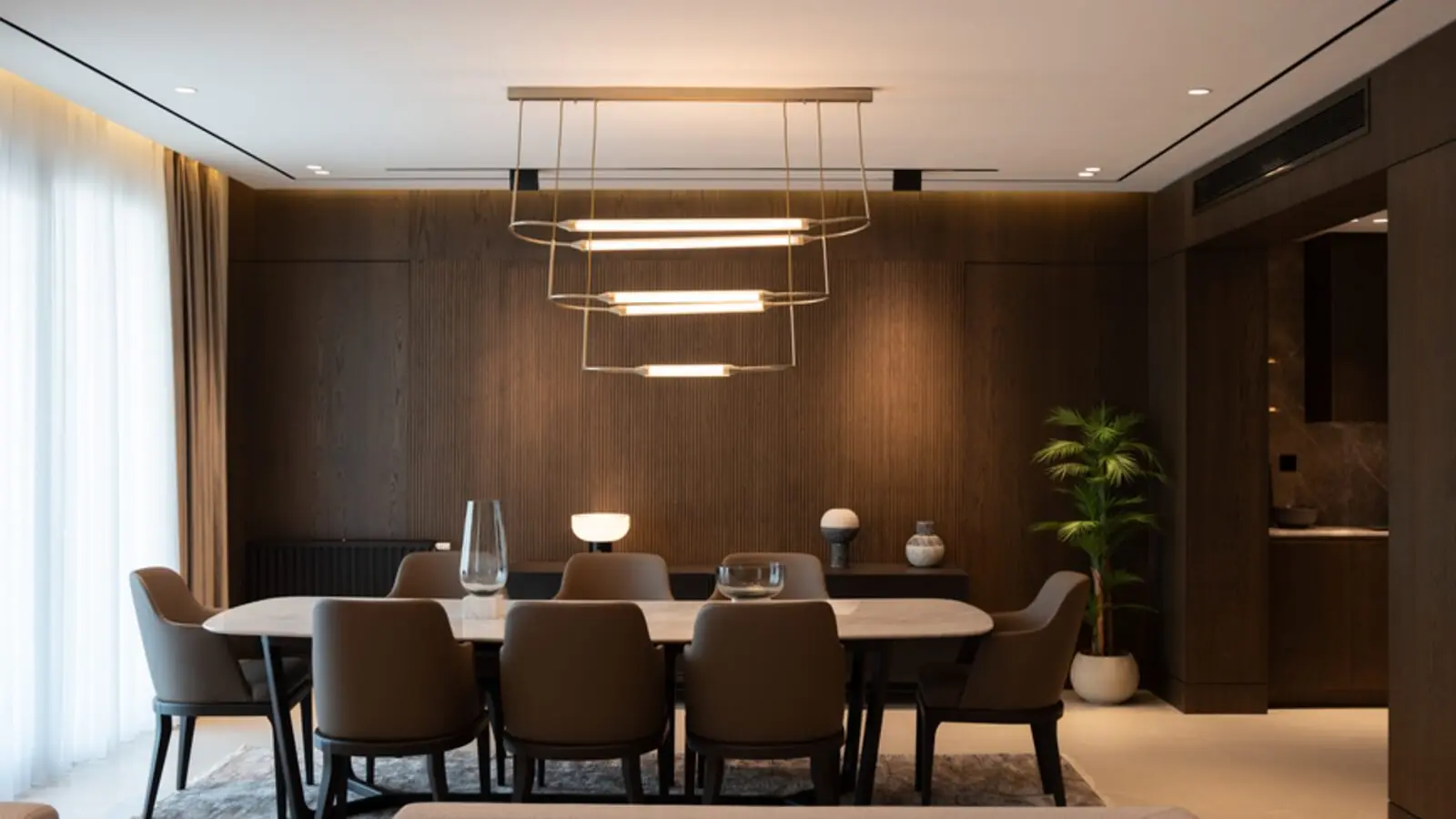
Sector 62, Golf Course Extension Road, Gurugram
2.5, 3 BHK • Rs 3.30 Cr onwards
Upcoming luxury launch off Golf Course Extension Road
Sector 94, Noida
2, 3, 4 BHK • Price on Request
Pre-launch high-rise on Noida Expressway
Sector 96, Noida
3, 4 BHK • Rs 3.50 Cr onwards
Upcoming expressway-facing luxury towers
Sector 97, Noida
3, 4 BHK • Price on request
6-acre expressway-facing luxury address
Sector 69, Gurugram
3, 4 BHK • Price on Request
ELIE SAAB signature branded residences
Sector 67A, Gurgaon
2, 3 BHK • Rs 2.40 Cr onwards
6-acre pre-launch development
For information only — this is not an offer and creates no obligation. Prices, layouts, and photos are indicative and can change anytime. Do your own verification before making a decision. About · Projects
Share your details and our expert will call you back.