Rs 9,857 crore nod fast-tracks metro connectivity and property upside across East and South Pune.
Explore NowPune's public transport map just got a major upgrade. The Maharashtra government has issued a Government Resolution granting revised administrative approval for the Kharadi–Swargate–Khadakwasla metro line and the Nal Stop–Warje spur, aligning the state's sanction with the Union Cabinet's earlier clearance. A Government Resolution issued on Tuesday authorises the signing of a Memorandum of Understanding between the state, the Union government and Maharashtra Metro Rail Corporation Limited, which will execute the project. The Union government had cleared the two corridors in November 2025, after which the proposal was returned to the state for revised approval.
The scale of the project is significant for a city that has only recently seen its first metro lines go operational. The Union Cabinet, chaired by Prime Minister Narendra Modi, approved Line 4 (Kharadi–Hadapsar–Swargate–Khadakwasla) and Line 4A (Nal Stop–Warje–Manik Baug) with Rs 9,857.85 crore outlay under Phase 2 of the Pune Metro Rail Project. The Kharadi–Swargate–Khadakwasla line and the Nal Stop–Warje route follow earlier clearances from the Union government. This is the second major project approved under Phase-2, following the sanction of Line 2A (Vanaz–Chandani Chowk) and Line 2B (Ramwadi–Wagholi/Vitthalwadi).
Once built, the network will cross a symbolic threshold for the city. With this latest approval, Pune Metro's network will expand beyond the 100-km milestone, a significant step in the city's journey towards a modern, integrated, and sustainable urban transit system. Spanning 31.636 km with 28 elevated stations, Line 4 and 4A will connect IT hubs, commercial zones, educational institutions, and residential clusters across East, South, and West Pune. The alignment runs through some of the city's most congested arteries — traversing Solapur Road, Magarpatta Road, Sinhagad Road, Karve Road, and the Mumbai–Bengaluru Highway, the project will ease congestion on Pune's busiest routes while improving safety and promoting green, sustainable mobility.
Funding for the massive outlay has been structured as a joint effort. Under the approved funding structure, both the Union and state governments will contribute Rs 1,212 crore each, while the remaining cost will be met through loans and other sources. Officials have also indicated a clear execution timeline: the project will be completed within five years at an estimated cost of Rs 9,857.85 crore, to be jointly funded by the Government of India, Government of Maharashtra, and external bilateral/multilateral funding agencies.
Ridership projections underline why this corridor matters for long-term city planning. According to projections, the daily ridership on Line 4 and 4A combined is expected to be 4.09 lakh in 2028, rising to nearly 7 lakh in 2038, 9.63 lakh in 2048, and over 11.7 lakh in 2058. Of this, the Kharadi–Khadakwasla corridor will account for 3.23 lakh passengers in 2028, growing to 9.33 lakh by 2058, while the Nal Stop–Warje–Manik Baug spur line will rise from 85,555 to 2.41 lakh passengers over the same period.
The new line will not operate in isolation — it is designed to plug directly into Pune's existing and upcoming transit backbone. These lines are a vital part of Pune's Comprehensive Mobility Plan and will seamlessly integrate with operational and sanctioned corridors at Kharadi Bypass and Nal Stop (Line 2), and Swargate (Line 1). Interchange points are already mapped out, with connections planned toward the city's outer growth corridors as well.
For homebuyers, the timing lines up with a broader eastward and southward shift in Pune's residential demand. Micro-markets along the alignment — Kharadi, Hadapsar, Magarpatta, Wagholi, and Sinhagad Road — have already seen years of IT-led housing demand, and metro connectivity has historically been a strong price driver in these belts. Industry trackers note that premium micro-markets near existing metro lines have already re-rated sharply on the back of connectivity, and a similar trajectory is expected once construction visibly begins on Line 4 and 4A. Buyers evaluating projects in these corridors now have a firmer infrastructure timeline to factor into their decisions, even as station-wise construction schedules are finalised by Maha Metro.
Sector 111, Dwarka Expressway, Gurugram
2.5, 3.5 BHK • Price on Request
Low-rise floors on Dwarka Expressway
Sector 128, Noida
3, 4 BHK • Price on Request
73-acre pre-launch on Noida Expressway
Sector 62, Golf Course Extension Road, Gurugram
2.5, 3 BHK • Rs 3.30 Cr onwards
Upcoming luxury launch off Golf Course Extension Road
Sector 94, Noida
2, 3, 4 BHK • Price on Request
Pre-launch high-rise on Noida Expressway
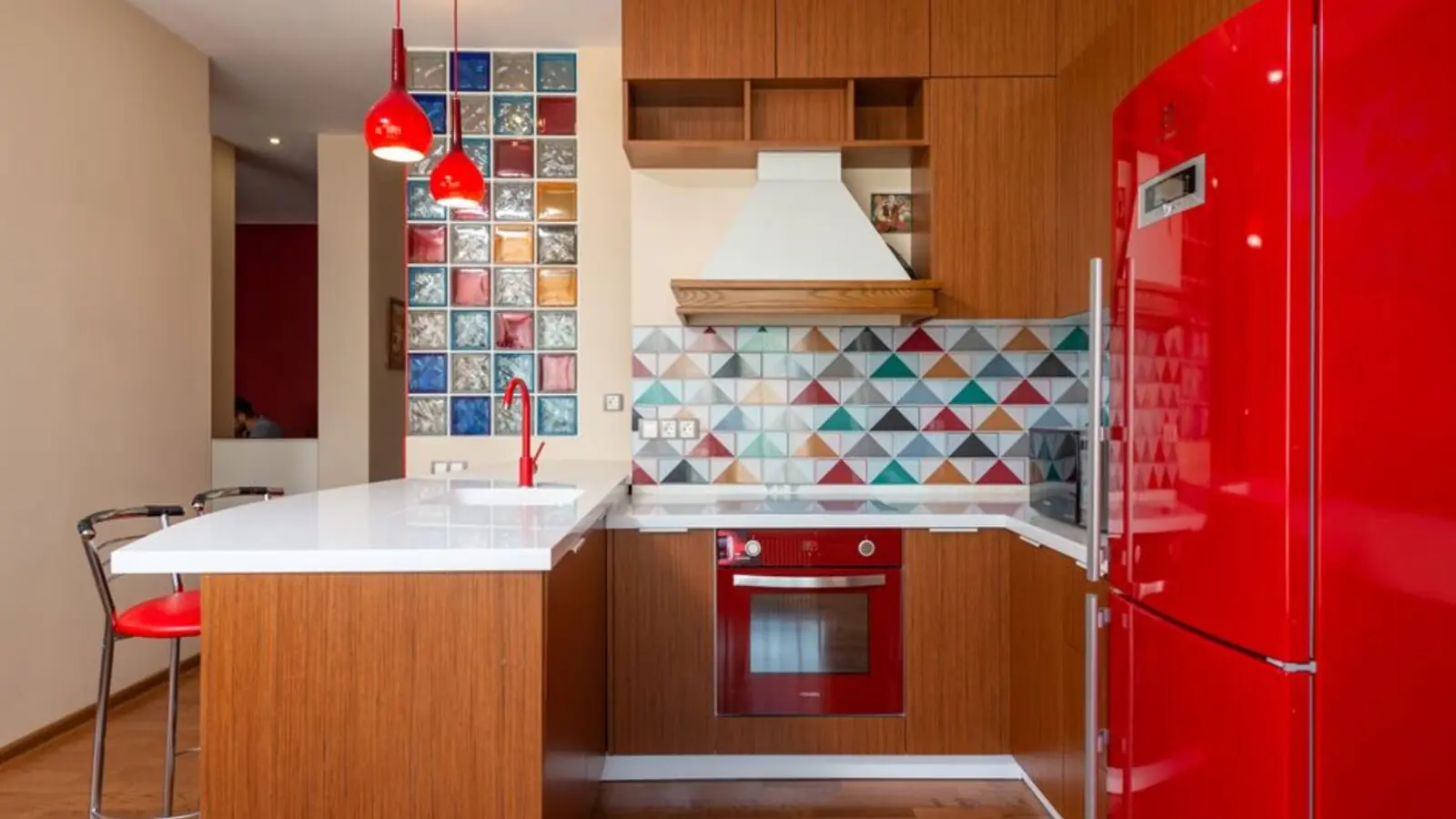
Sector 96, Noida
3, 4 BHK • Rs 3.50 Cr onwards
Upcoming expressway-facing luxury towers
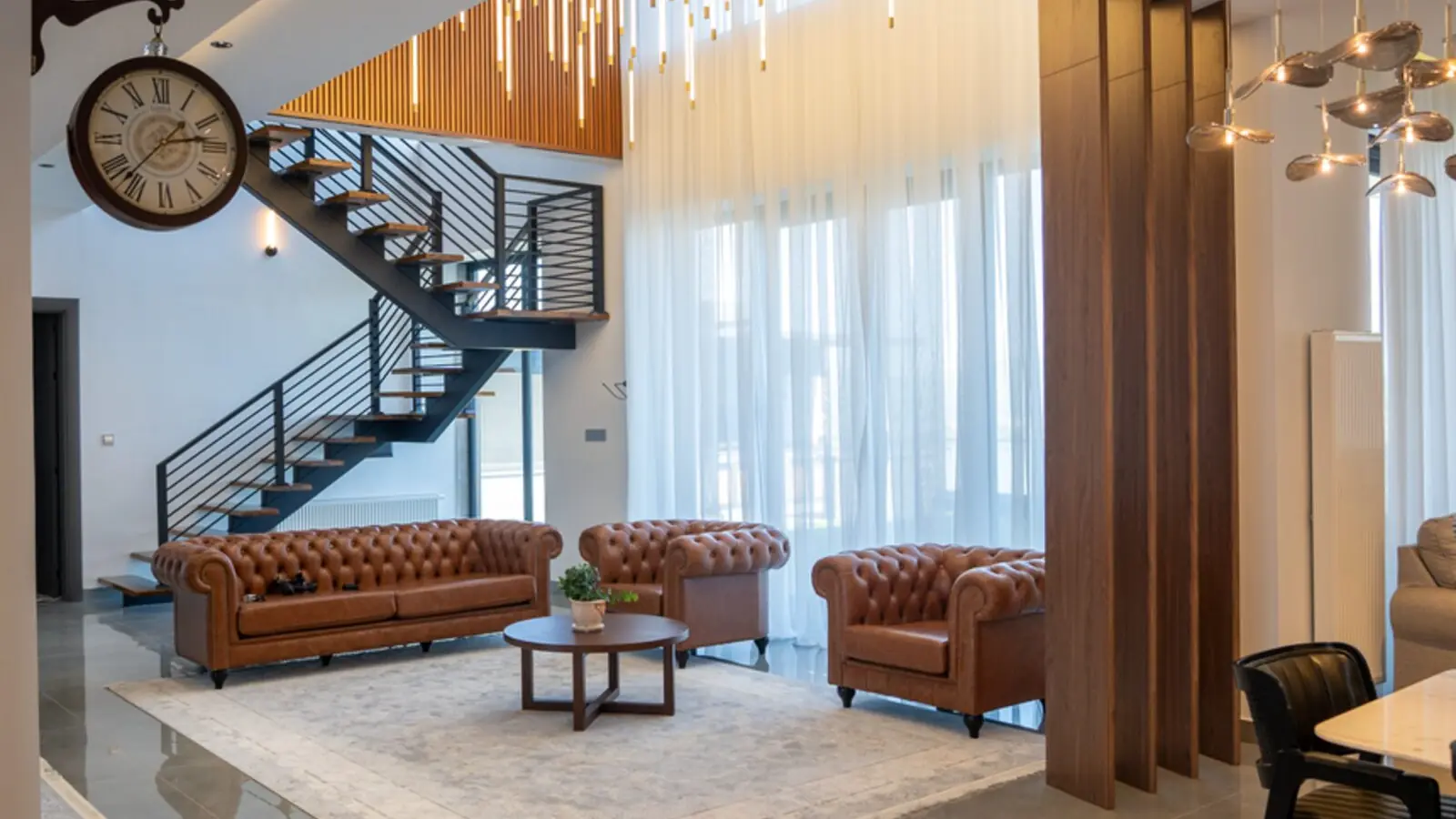
Sector 97, Noida
3, 4 BHK • Price on request
6-acre expressway-facing luxury address
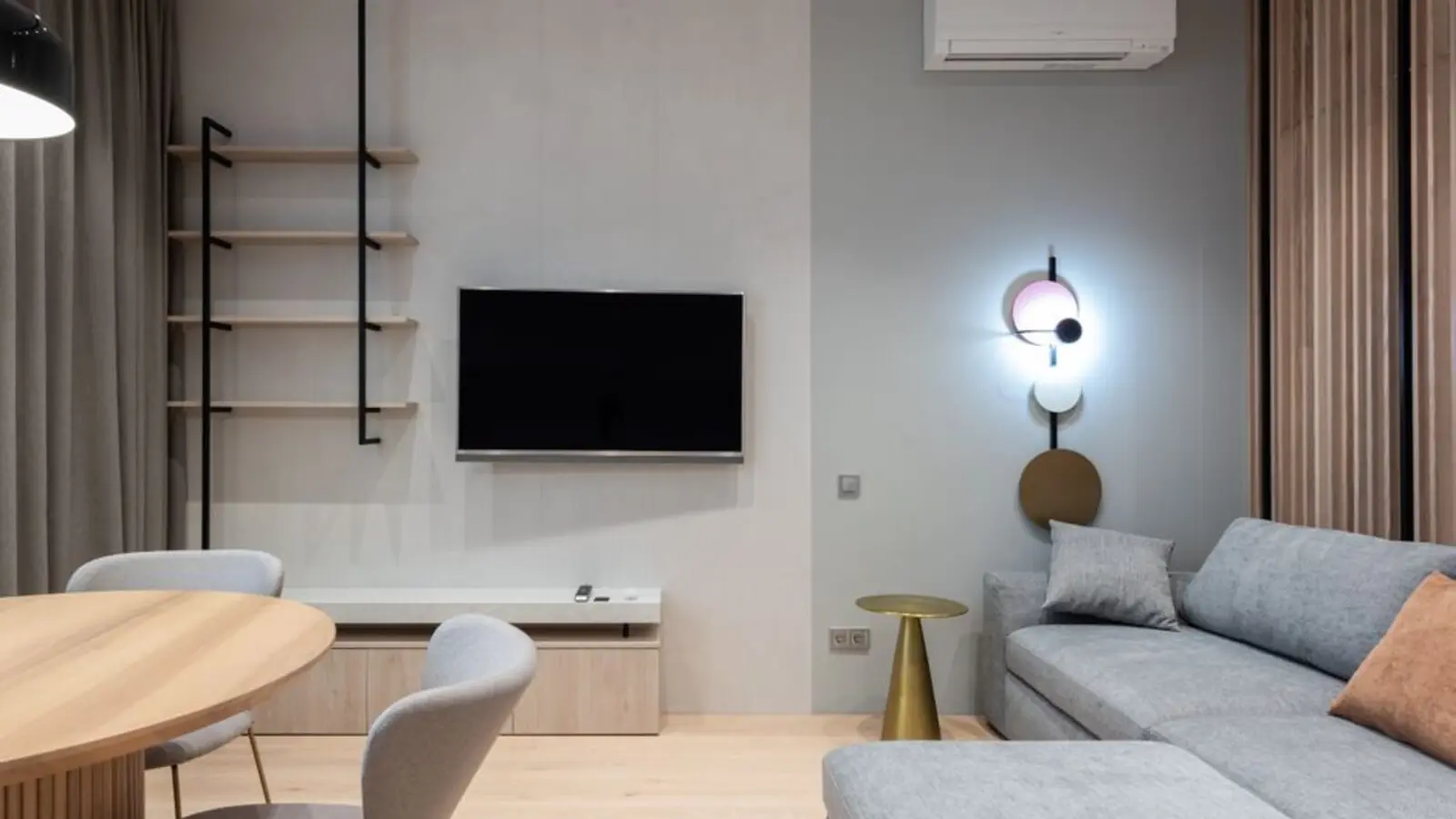
Sector 69, Gurugram
3, 4 BHK • Price on Request
ELIE SAAB signature branded residences
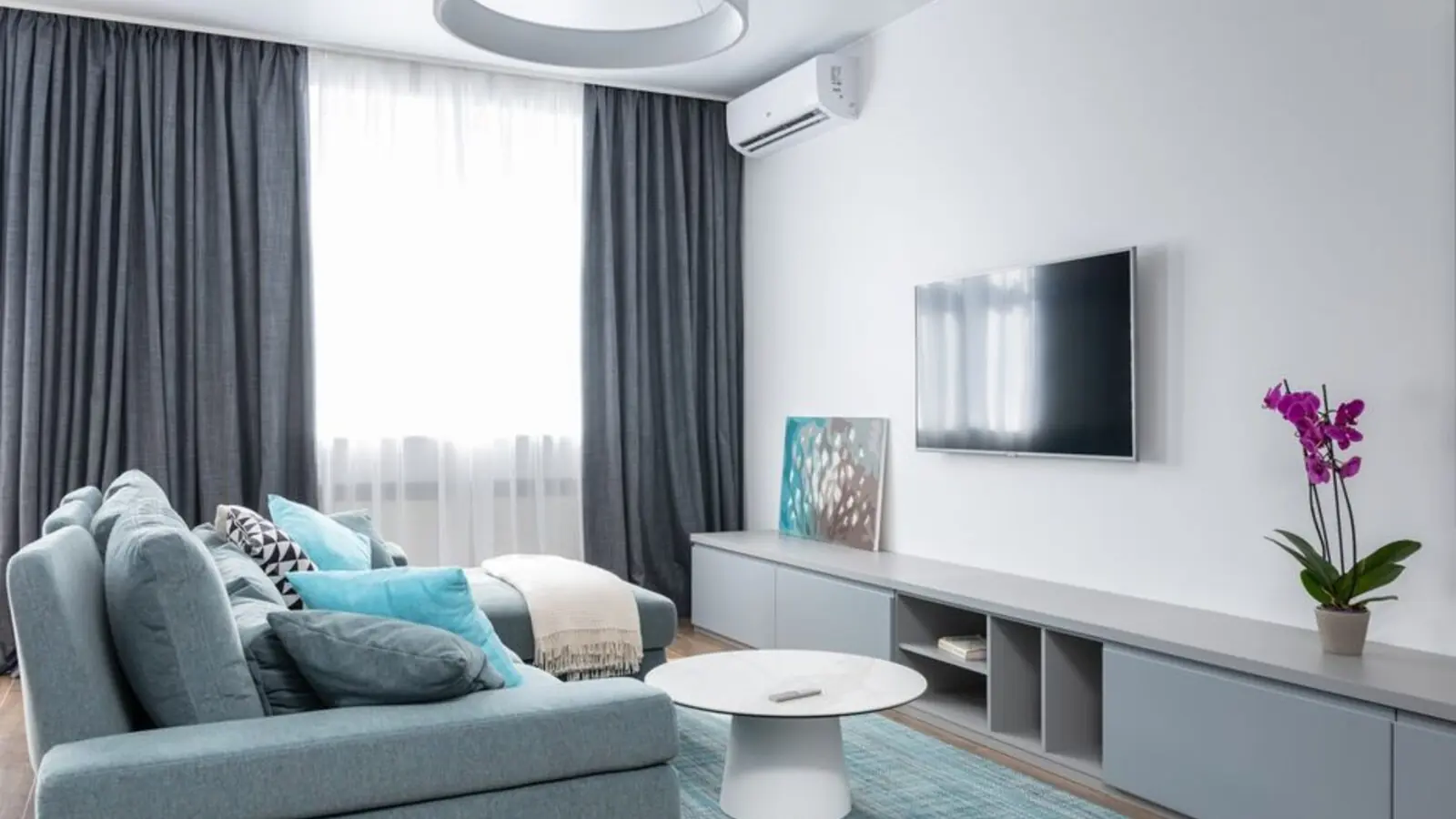
Sector 67A, Gurgaon
2, 3 BHK • Rs 2.40 Cr onwards
6-acre pre-launch development
For information only — this is not an offer and creates no obligation. Prices, layouts, and photos are indicative and can change anytime. Do your own verification before making a decision. About · Projects
Share your details and our expert will call you back.