PMC takes over from PMRDA, promising faster approvals for homebuyers and builders alike.
Explore NowPune's real estate map just got a major administrative reset. After years of confusion over who controls approvals in the city's fast-growing outer belt, the Maharashtra government has formally shifted planning authority for the 23 villages merged into Pune Municipal Corporation (PMC) limits back in 2021, taking that power away from the Pune Metropolitan Region Development Authority (PMRDA). The change was confirmed via an official notification, with Minister of State for Urban Development Madhuri Misal announcing that the Maharashtra government has transferred planning authority powers for 23 merged villages from the Pune Metropolitan Region Development Authority (PMRDA) to the Pune Municipal Corporation (PMC). These villages, which include well-known growth corridors like Wagholi, Undri, Nanded, Wadachiwadi and Mahalunge, had been sitting in an odd administrative limbo despite being technically part of the city.
The backstory explains why this matters so much to buyers and builders. The draft plan prepared by PMRDA received around 65,000 objections and suggestions, leading the current government to scrap it, and subsequently, building permission authority for these areas was transferred back to PMC. Critics had also flagged serious concerns with the earlier draft. The PMRDA's draft Development Plan later attracted criticism and several complaints, with allegations that it proposed converting agricultural land into residential zones, introduced questionable reservations at select locations, and favoured large developers. Scrapping that plan and consolidating authority under one civic body is meant to close this credibility gap.
On the ground, PMC has moved quickly to act on its new mandate. The Pune Municipal Corporation (PMC) has begun the process of preparing a fresh Development Plan (DP) for the 23 villages merged into its limits by establishing a dedicated 26-member "Special 26" Development Plan Cell. This isn't a token gesture — the team is fully staffed for the job. The team comprises five Deputy Engineers, six Branch Engineers, one Junior Engineer, four Draftsmen, two Architectural Draftsmen, three Typists, and four support staff, all assigned full-time to the project. City Engineer Aniruddha Pawaskar has been appointed as the Town Planning Officer to steer the exercise under the Maharashtra Regional and Town Planning Act.
Importantly, this fresh start doesn't mean starting from zero. Officials are leaning on years of prior groundwork to move faster than the standard timeline. PMC officials said the corporation has a statutory period of two years to prepare the draft development plan; however, since substantial groundwork had already been completed by PMRDA, the existing data and studies could be utilised, potentially reducing the time required to prepare the new plan. The full development plan, including land-use surveys and infrastructure blueprints, is expected to be finalized within roughly three years.
Beyond the development plan itself, the government has also moved to unclog a backlog of pending applications. Proposals for construction permissions in the merged villages that were earlier handled by the Pune Metropolitan Region Development Authority (PMRDA) must be processed within 60 days, with the time frame calculated from the date of the government notification issued in this regard. This directly targets the pile-up of stalled layout and TDR (Transferable Development Rights) approvals that has frustrated developers and landowners in the region for months.
PMC's own leadership has framed the shift as a governance win rather than just paperwork. "Approval has been granted to prepare a development plan for the planned and long-term growth of the 23 villages. This will help ensure balanced development across these areas," said Ganesh Bidkar, Leader of the House in PMC. Urban planners have also weighed in on why a single authority makes practical sense. Ramchandra Gohad, a senior urban planner, said that PMC and PMRDA should join hands and complete the development plan for the 23 merged villages, which will save money, time, and resources.
For homebuyers eyeing Pune's eastern and southern growth corridors — think Wagholi, Undri, Manjri and the Nagar Road belt — this consolidation is a meaningful signal. A single planning authority means fewer jurisdictional disputes over building permissions, clearer TDR rules, and theoretically quicker sanctioning of new residential layouts. It also reduces the risk that a project's approval gets stuck between two overlapping government bodies, a scenario that has delayed several mid-sized developments in these villages over the past few years. As PMC's DP Cell gets to work, the coming months should bring more clarity on zoning, reservations and infrastructure commitments — details that will directly shape where and how fast new housing supply comes up in these once-peripheral, now-urban neighborhoods.
The larger context is Pune's relentless outward expansion. With rapid population growth pushing development beyond the old city limits, having one accountable civic body for approvals, roads, water and sewage in these merged villages is a structural fix long overdue. The Pune Municipal Corporation (PMC) is set to undertake significant infrastructure development in merged villages, with an investment of approximately Rs 2,000 crore, supported by the World Bank, Central Government, and Maharashtra Government, focusing on water supply, sewage networks, roads, and stormwater drainage. Combined with the planning authority transfer, this signals a coordinated push to formalize infrastructure and housing growth across Pune's newly urbanized fringe.

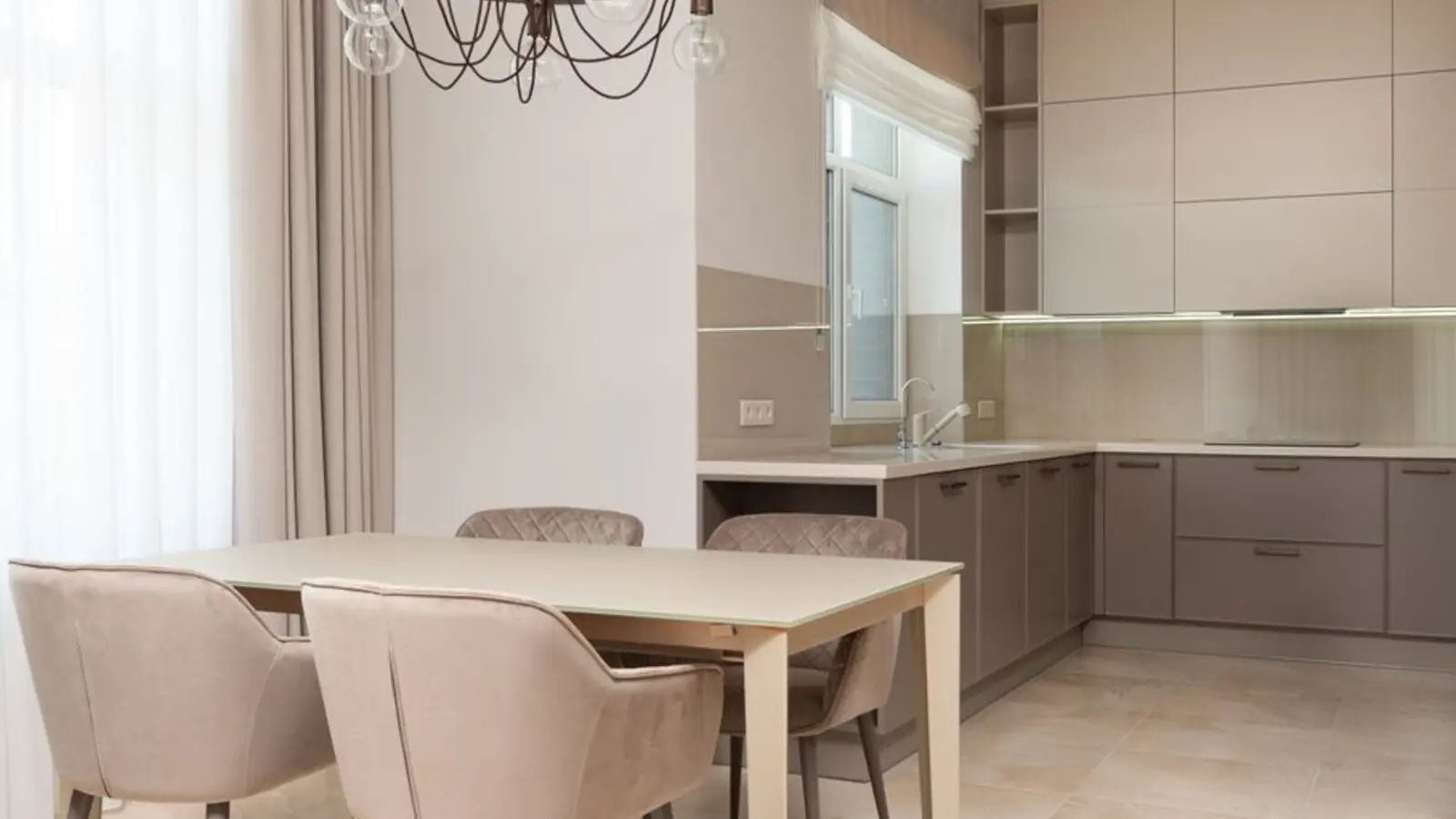
Sector 111, Dwarka Expressway, Gurugram
2.5, 3.5 BHK • Price on Request
Low-rise floors on Dwarka Expressway
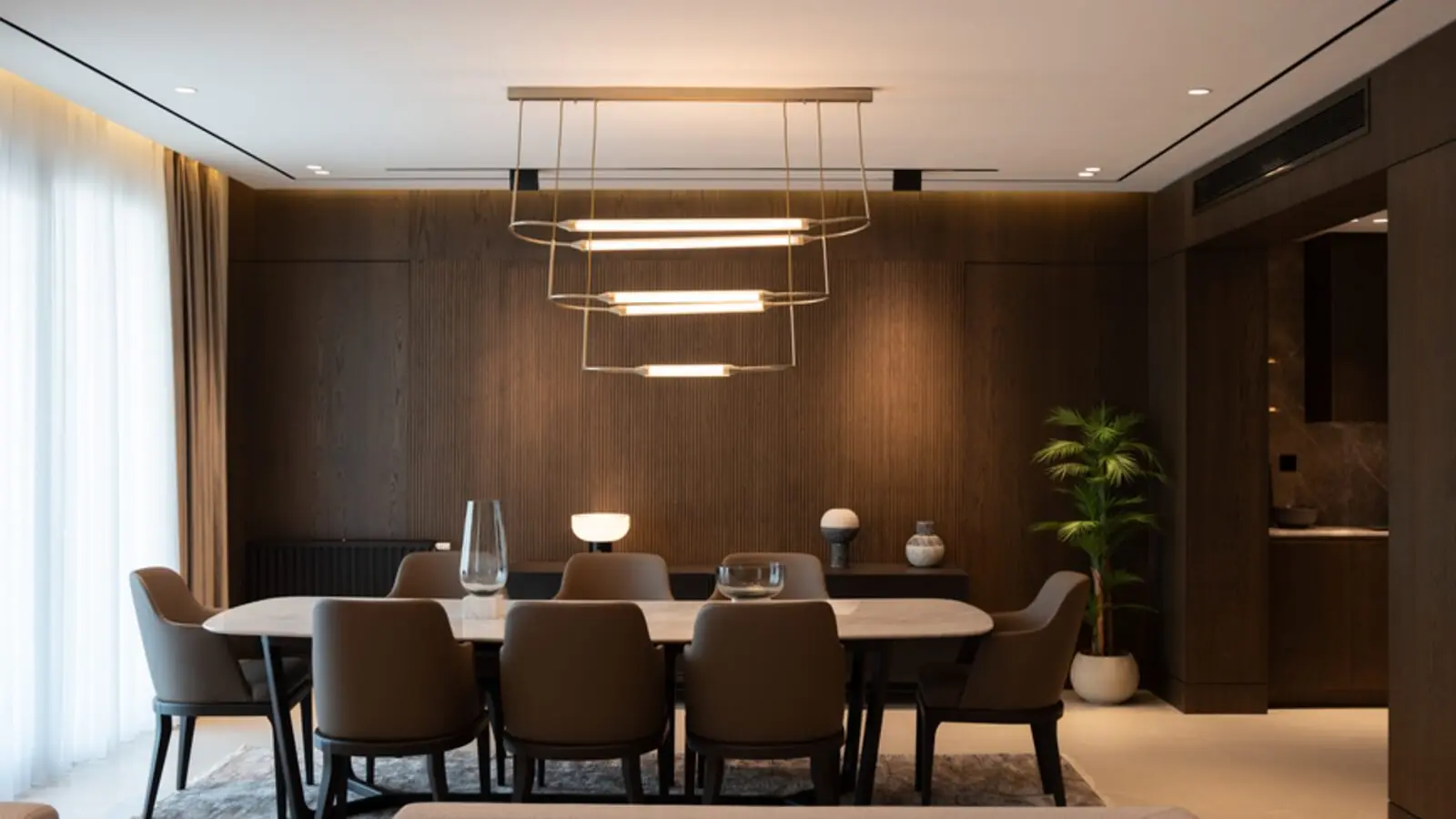
Sector 128, Noida
3, 4 BHK • Price on Request
73-acre pre-launch on Noida Expressway
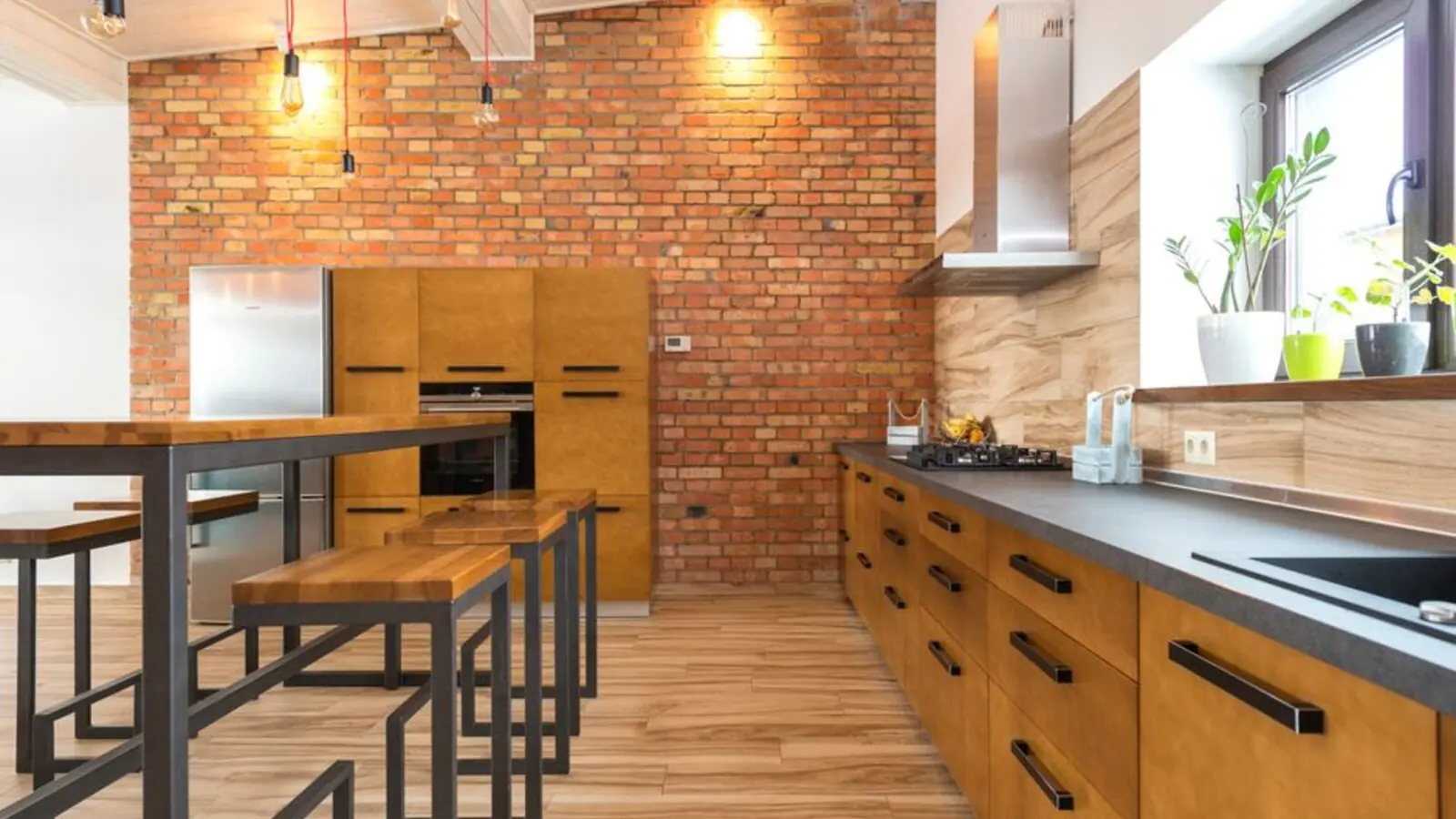
Sector 62, Golf Course Extension Road, Gurugram
2.5, 3 BHK • Rs 3.30 Cr onwards
Upcoming luxury launch off Golf Course Extension Road
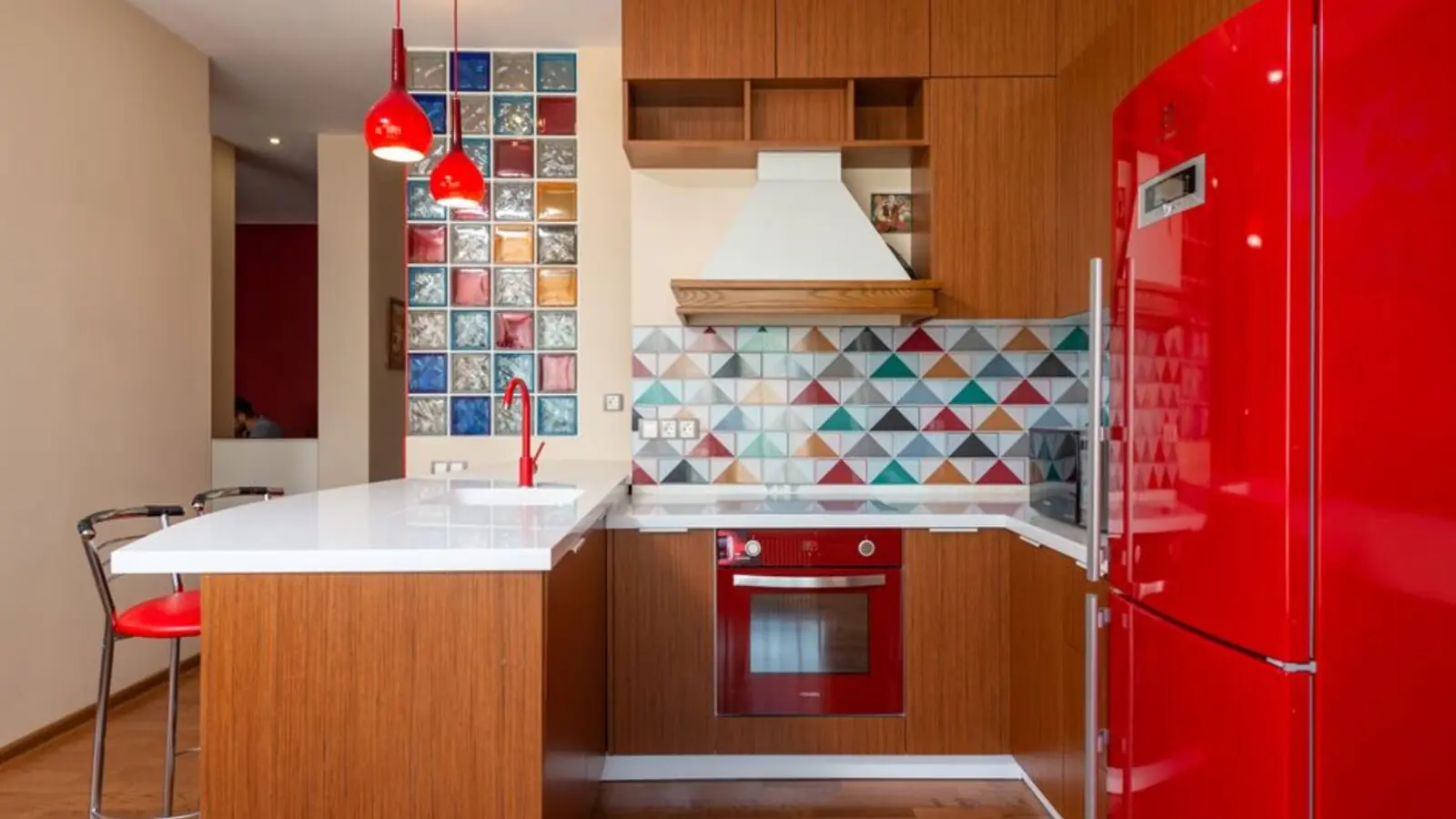
Sector 94, Noida
2, 3, 4 BHK • Price on Request
Pre-launch high-rise on Noida Expressway
Sector 96, Noida
3, 4 BHK • Rs 3.50 Cr onwards
Upcoming expressway-facing luxury towers

Sector 97, Noida
3, 4 BHK • Price on request
6-acre expressway-facing luxury address
Sector 69, Gurugram
3, 4 BHK • Price on Request
ELIE SAAB signature branded residences

Sector 67A, Gurgaon
2, 3 BHK • Rs 2.40 Cr onwards
6-acre pre-launch development
For information only — this is not an offer and creates no obligation. Prices, layouts, and photos are indicative and can change anytime. Do your own verification before making a decision. About · Projects
Share your details and our expert will call you back.