Rs 17,725 crore corridor set to link Mira-Bhayandar to Vasai-Virar by 2031.
Explore NowBig news for anyone tracking Mumbai's real estate and infrastructure story: the state government has officially given the nod to Metro Line 13, a corridor that's been on the wishlist of MMR commuters for years. The Cabinet Infrastructure Committee, chaired by CM Devendra Fadnavis, approved Metro Line 13 at Mantralaya on 18 August 2026. This isn't a small-ticket project either — Maharashtra has approved the Rs 17,724.99-crore Metro Line 13 connecting Mira-Bhayandar with Vasai-Virar.
Let's get into the specifics, because they matter if you're weighing a home purchase along this belt. The 25.03-km corridor will pass through Thane and Palghar districts and connect Mira Road, Naigaon, Nalasopara, Vasai and Virar, with 21.78 km elevated and 3.25 km underground, and 16 stations planned — 13 elevated and three underground. One of the more striking engineering highlights is a 4.92-km combined Metro and six-lane road bridge across Vasai Creek to Panju Island, along with a proposed depot at Chikhal Dongri.
Connectivity is really the headline story here. Metro Line 13 will connect with suburban railway stations at Naigaon, Nalasopara and Virar and is proposed to interchange with Metro Line 9 at Netaji Subhash Chandra Bose Stadium. Add in bus services at all stations, and you get a genuinely multimodal network rather than just another isolated metro line — good news for daily commuters and for the rental/resale demand that typically follows better last-mile connectivity.
On timelines: around 24.84 hectares of land will be required for the project, which is targeted for completion within five years of approval, with the state expecting daily ridership to reach about 4.49 lakh passengers by 2031. CM Fadnavis has also pushed for speed on the ground — he directed officials to complete land acquisition and approach roads within the next six months. For homebuyers, that ridership number is a solid proxy for how much footfall — and therefore commercial and residential demand — this corridor could eventually pull in. The government itself is banking on it: the project is expected to reduce travel time by around 50% compared with road-based travel, providing faster connectivity between the growing urban centres of the MMR.
Here's the part that made this a double headline day for Maharashtra's infrastructure calendar: the same meeting didn't stop at Mumbai. The committee also granted administrative approval for the revised Rs 10,502.36 crore cost of the Pune Ring Road's eastern extension, with the Maharashtra State Road Development Corporation set to construct the 31.805-km controlled-access expressway between Sortapwadi on the Pune-Solapur Road and Varve-Shivre on the Pune-Satara Road. This isn't a fresh proposal either — it's already got momentum. The corridor will form part of the wider 168.981-km Pune Ring Road project, with about 80 per cent of land acquisition already completed and the project scheduled for completion by June 2029, featuring a six-lane design with a speed of 120 kmph, an interchange, major and minor bridges, 18 elevated structures, and four tunnels.
Zoom out and the scale of the day becomes clear. The Maharashtra government on 18 August 2026 approved major transport infrastructure projects worth ₹28,227 crore covering the Mumbai Metropolitan Region and Pune, including Metro Line 13 and the eastern extension of the Pune Ring Road. Market watchers have already flagged the ripple effect on construction and engineering firms — these massive state-level approvals expand the addressable contract pipeline significantly, positioning primary regional civil players for upcoming bidding cycles.
What does this actually mean if you're house-hunting? Corridors like Mira-Bhayandar–Vasai-Virar have historically seen a steady uptick in enquiries the moment a metro line moves from "proposed" to "approved," simply because commute time is one of the biggest levers on property decisions in the MMR. Similarly, Pune's eastern belt — long constrained by traffic bottlenecks — stands to benefit from faster, ring-road-enabled access to job hubs, which tends to translate into stronger demand for well-connected residential micro-markets over the next construction cycle. If you're evaluating a home in either region, these approvals are worth factoring into your location shortlist — infrastructure momentum today often shows up as price appreciation a few years down the line.
Sector 111, Dwarka Expressway, Gurugram
2.5, 3.5 BHK • Price on Request
Low-rise floors on Dwarka Expressway
Sector 128, Noida
3, 4 BHK • Price on Request
73-acre pre-launch on Noida Expressway
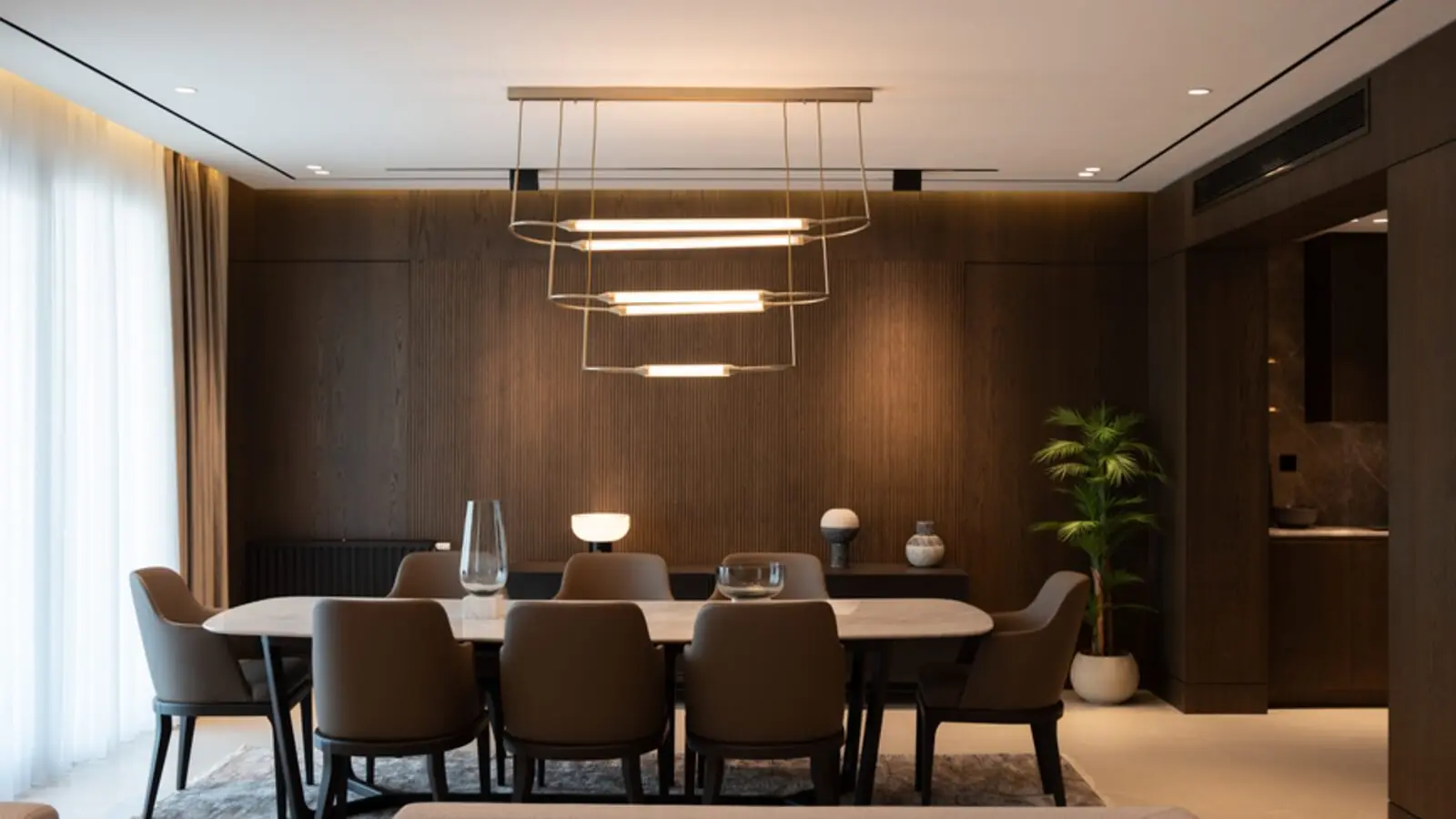
Sector 62, Golf Course Extension Road, Gurugram
2.5, 3 BHK • Rs 3.30 Cr onwards
Upcoming luxury launch off Golf Course Extension Road
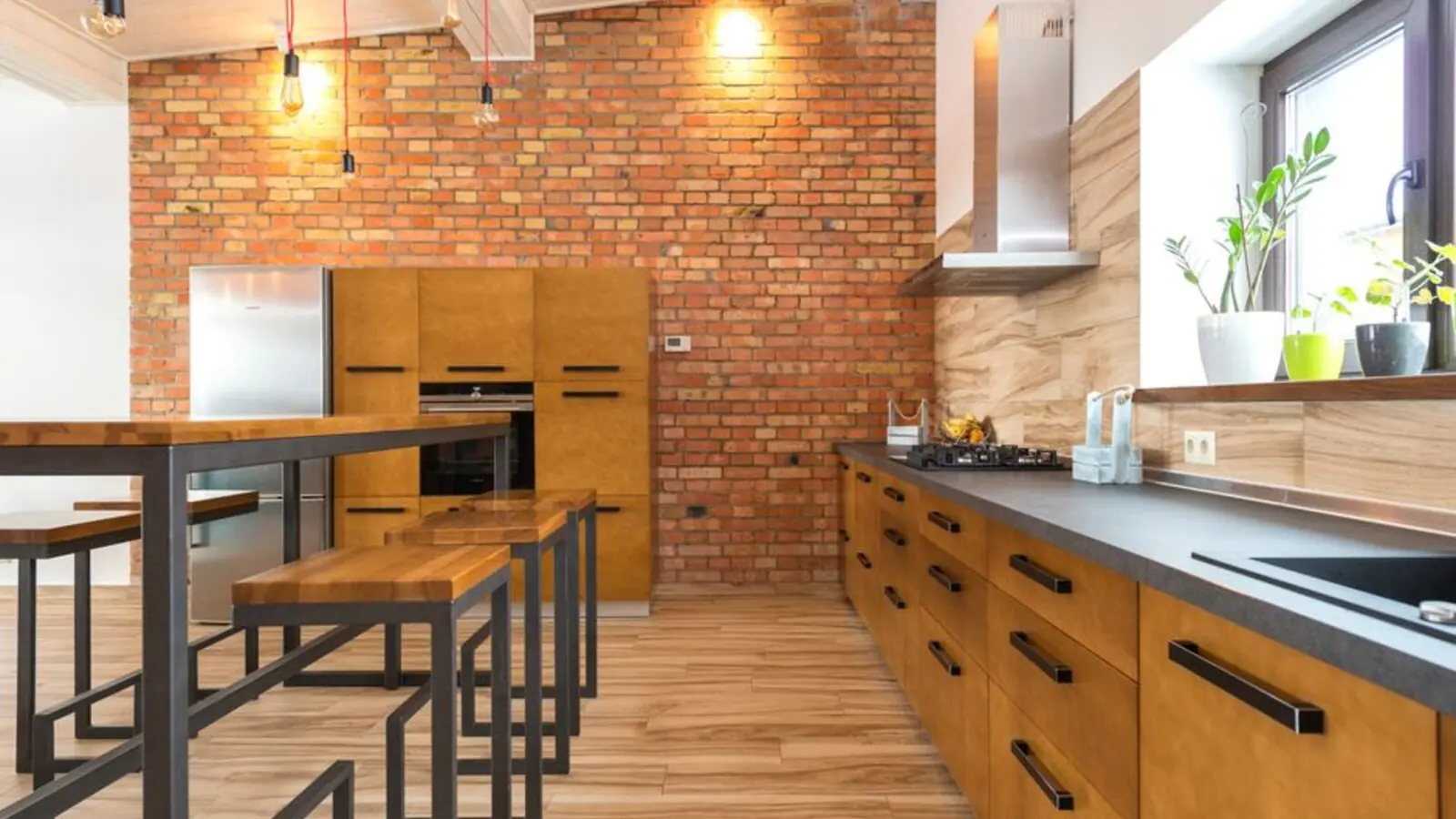
Sector 94, Noida
2, 3, 4 BHK • Price on Request
Pre-launch high-rise on Noida Expressway
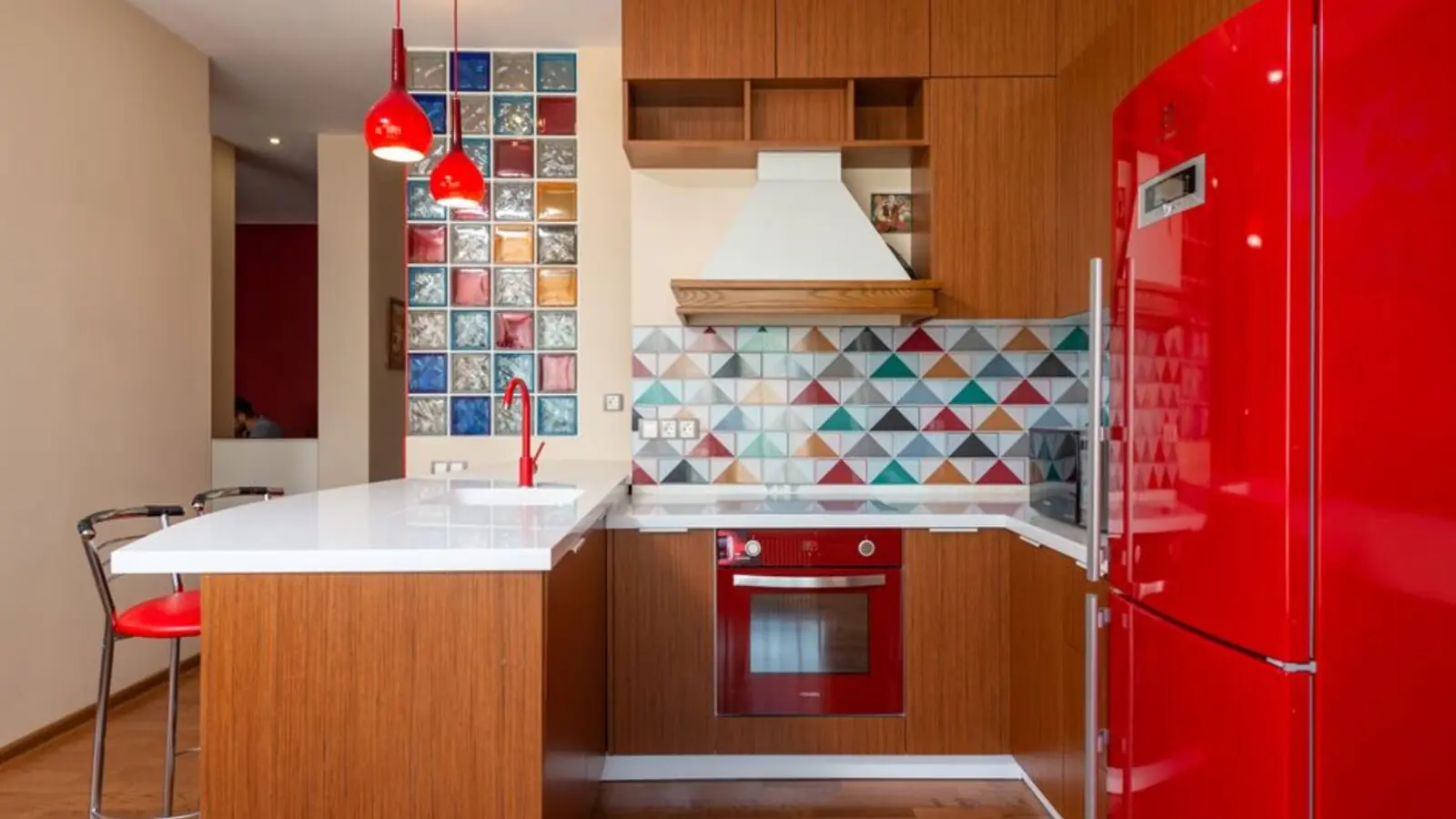
Sector 96, Noida
3, 4 BHK • Rs 3.50 Cr onwards
Upcoming expressway-facing luxury towers

Sector 97, Noida
3, 4 BHK • Price on request
6-acre expressway-facing luxury address
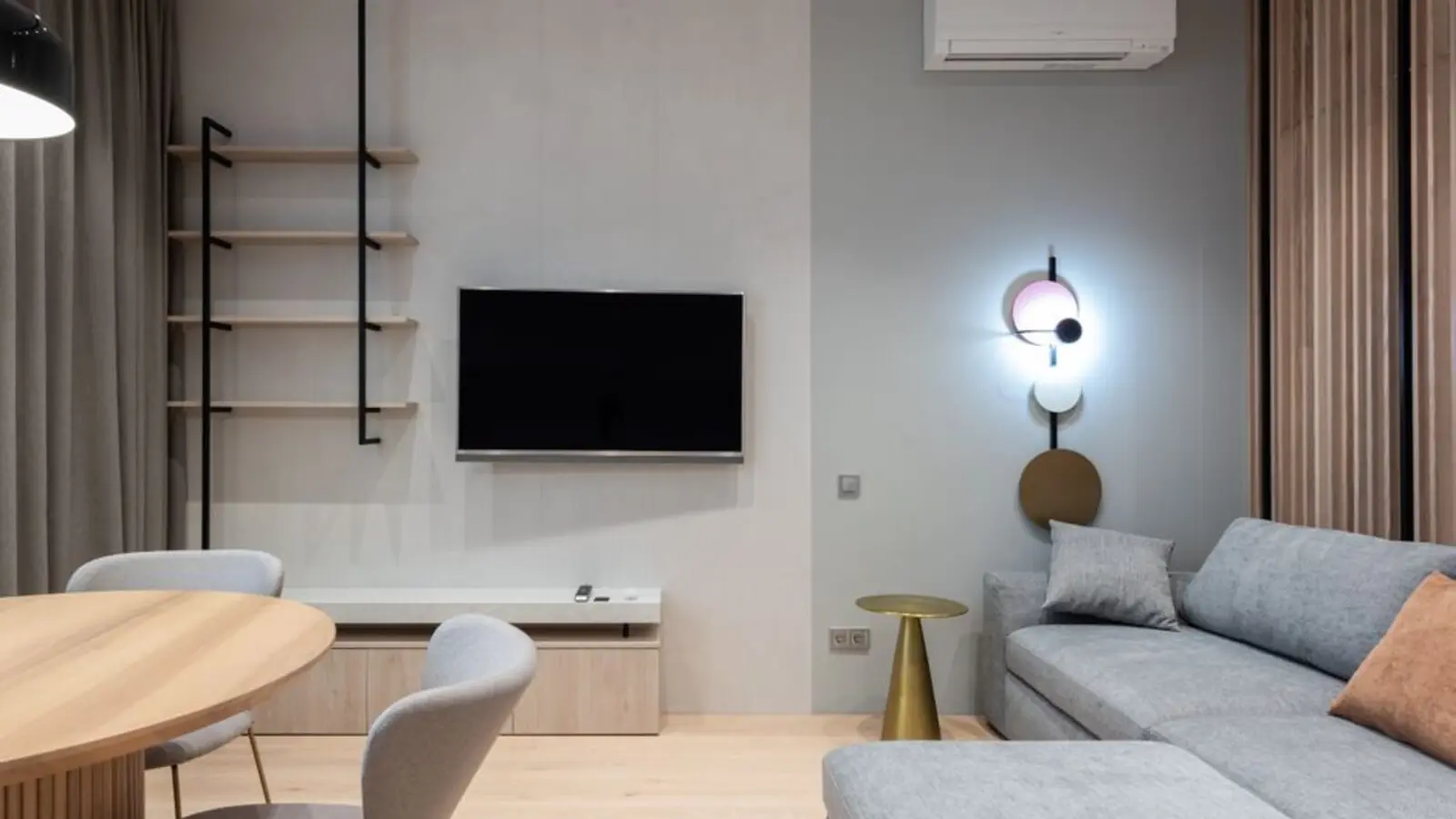
Sector 69, Gurugram
3, 4 BHK • Price on Request
ELIE SAAB signature branded residences
Sector 67A, Gurgaon
2, 3 BHK • Rs 2.40 Cr onwards
6-acre pre-launch development
For information only — this is not an offer and creates no obligation. Prices, layouts, and photos are indicative and can change anytime. Do your own verification before making a decision. About · Projects
Share your details and our expert will call you back.