Thane district rides its first metro as Line 9 links Dahisar to Kashigaon.
Explore NowA long-standing infrastructure gap for the Mira-Bhayandar belt has finally closed. On April 7, 2026, the Mumbai Metropolitan Region Development Authority (MMRDA) inaugurated the first phase of Metro Line 9, stretching from Dahisar East to Kashigaon, with commercial services beginning for the public the very next day. Chief Minister Devendra Fadnavis flagged off the inaugural run, accompanied by Deputy Chief Minister Eknath Shinde, Transport Minister Pratap Sarnaik, and Mumbai Mayor Ritu Tawde, at a ceremony held at Dahisar East metro station. The moment carries historic weight because this marks the first-ever metro line in Thane district, a milestone that residents of Mira Road, Bhayandar, and surrounding pockets have waited years for.
Phase 1 covers roughly 4.4 to 4.7 km and connects four stations — Dahisar East, Pandurangwadi, Miragaon, and Kashigaon. The real value of this stretch lies in what it plugs into. At Dahisar East, commuters get a seamless interchange with Metro Line 7 (running toward Andheri and Gundavali) and Metro Line 2A (toward DN Nagar and Andheri West), while future links are planned to Thane via Line 10 at Miragaon and to Vasai-Virar via the upcoming Line 13. This turns a previously isolated pocket into a genuine node on Mumbai's expanding metro map.
The numbers behind the project are significant. Metro Line 9 has been built at an estimated cost of ₹6,607 crore, and officials expect it to cut travel time between Mira-Bhayandar and central Mumbai from the current one-to-two hours down to nearly 30 minutes once the full corridor is operational. Authorities also estimate the new service will reduce traffic congestion at the notorious Dahisar Toll Plaza by 10% to 15%, with 20% to 30% of road commuters expected to shift from private vehicles and buses onto the metro, easing pressure on the Western Express Highway.
This isn't the end of the story for Line 9 — it's the opening chapter. The second phase, covering a 4.3 km stretch between Sai Baba Nagar and Subhash Chandra Bose Maidan, was already nearing completion with about 96 percent of construction finished at the time of the Phase 1 launch. Once fully built, the corridor will run about 13.58 km with roughly 10 stations, eventually connecting Mira-Bhayandar all the way to Andheri and onward to Chhatrapati Shivaji Maharaj International Airport via Lines 7 and 7A. MMRDA has projected daily ridership on the line could cross 11 lakh commuters by 2031, underlining how central this corridor is expected to become for the northern suburbs.
For homebuyers and investors, the timing of this launch matters. Mira Road and Bhayandar have long been viewed as affordable alternatives to Borivali and other western suburbs, and property consultants note that localities within walking distance of the new stations, including Kashigaon and Miragaon, are already recording higher enquiry interest. Historical patterns from earlier Mumbai metro corridors suggest that areas gaining direct rail-based connectivity tend to see steady price appreciation over a five-to-seven-year horizon, as buyers place a premium on predictable, congestion-free commutes over relying solely on the Western Express Highway or overcrowded suburban trains.
Beyond the immediate stretch, the broader trend is one that mirrors what established growth corridors elsewhere in the country have already experienced — infrastructure-first development followed by a steady uptick in residential demand. Just as expressway and metro connectivity have reshaped buyer preferences in high-growth corridors like Gurugram's Dwarka Expressway and Southern Peripheral Road belt, Mira-Bhayandar now enters a similar cycle where transit access becomes a defining factor in how a locality is priced and perceived.
For anyone tracking the Mira-Bhayandar micro-market, the message from this launch is straightforward: the region has moved from being a commute-dependent suburb to one anchored by its own rapid transit link, with more stations, interchanges, and connectivity upgrades still to come through 2027-28.
Sector 111, Dwarka Expressway, Gurugram
2.5, 3.5 BHK • Price on Request
Low-rise floors on Dwarka Expressway
Sector 128, Noida
3, 4 BHK • Price on Request
73-acre pre-launch on Noida Expressway
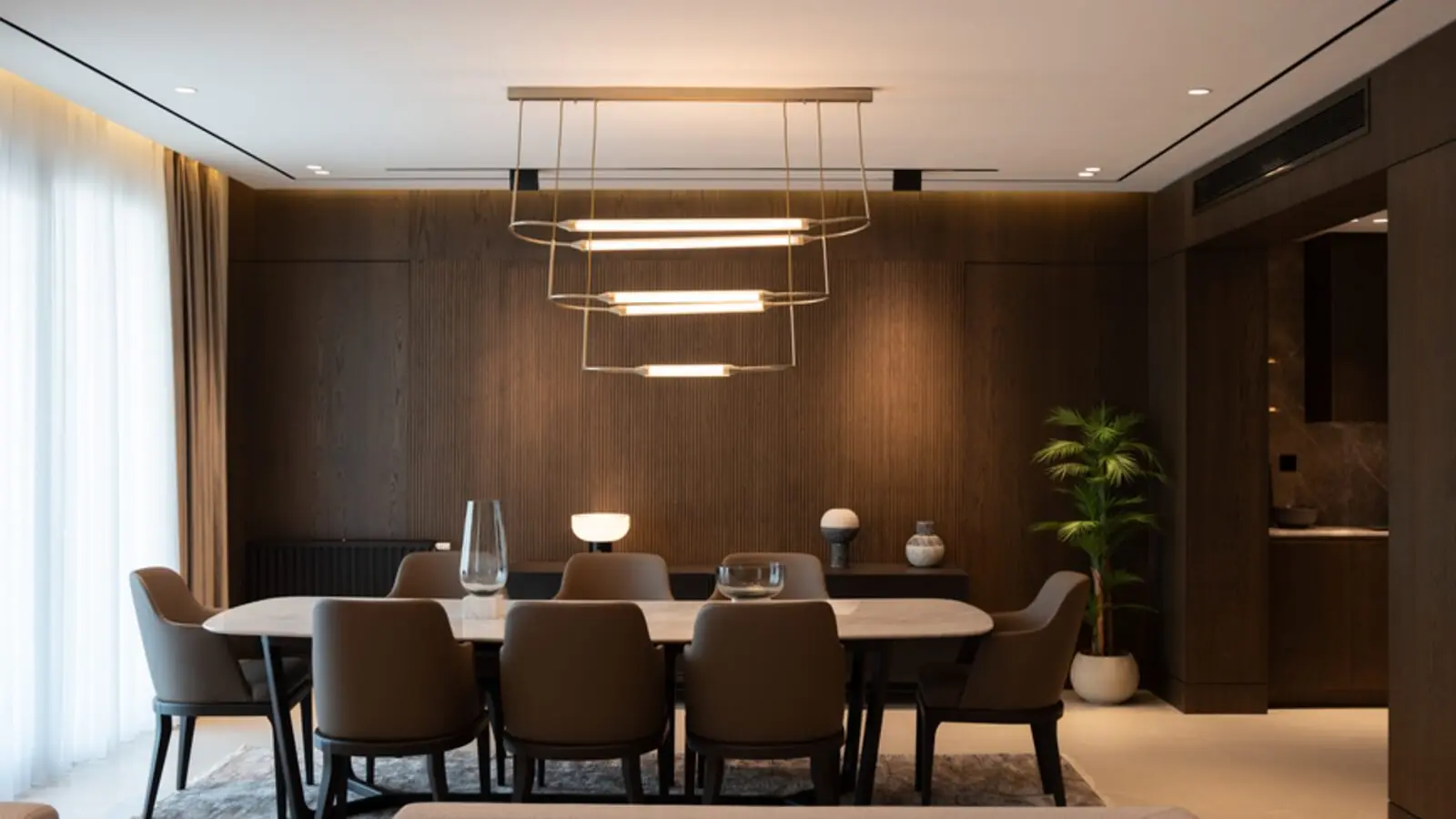
Sector 62, Golf Course Extension Road, Gurugram
2.5, 3 BHK • Rs 3.30 Cr onwards
Upcoming luxury launch off Golf Course Extension Road
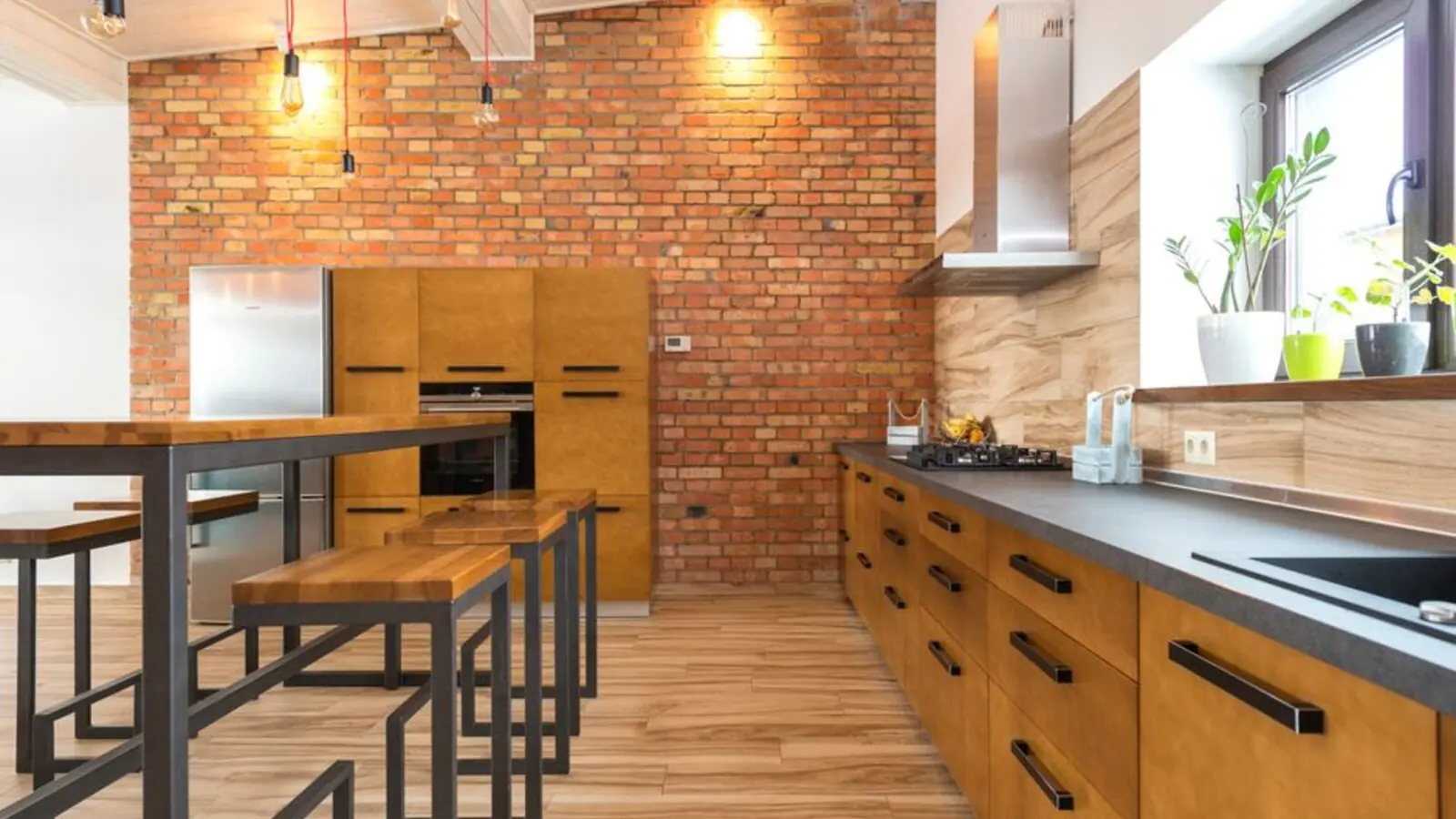
Sector 94, Noida
2, 3, 4 BHK • Price on Request
Pre-launch high-rise on Noida Expressway
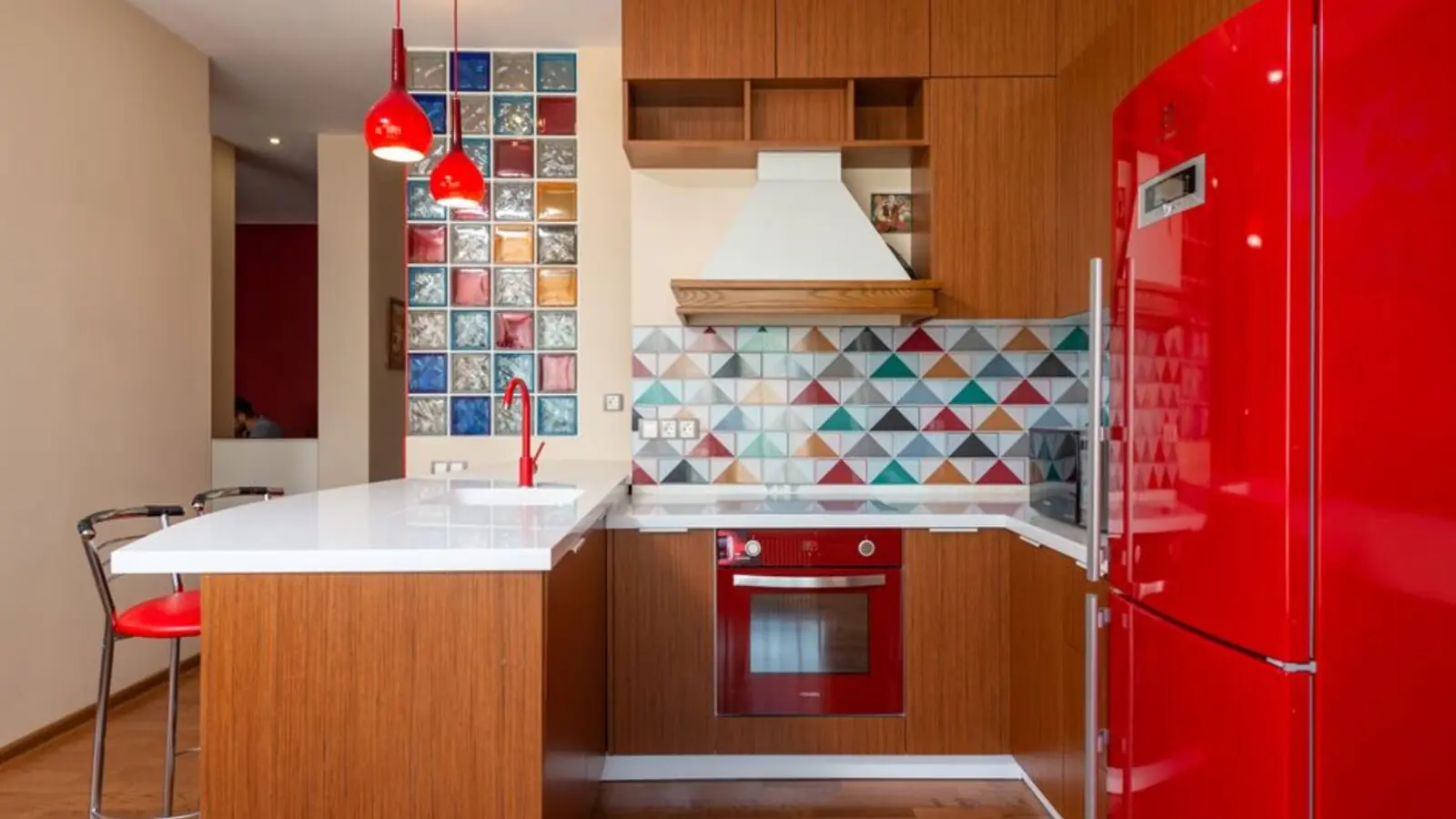
Sector 96, Noida
3, 4 BHK • Rs 3.50 Cr onwards
Upcoming expressway-facing luxury towers
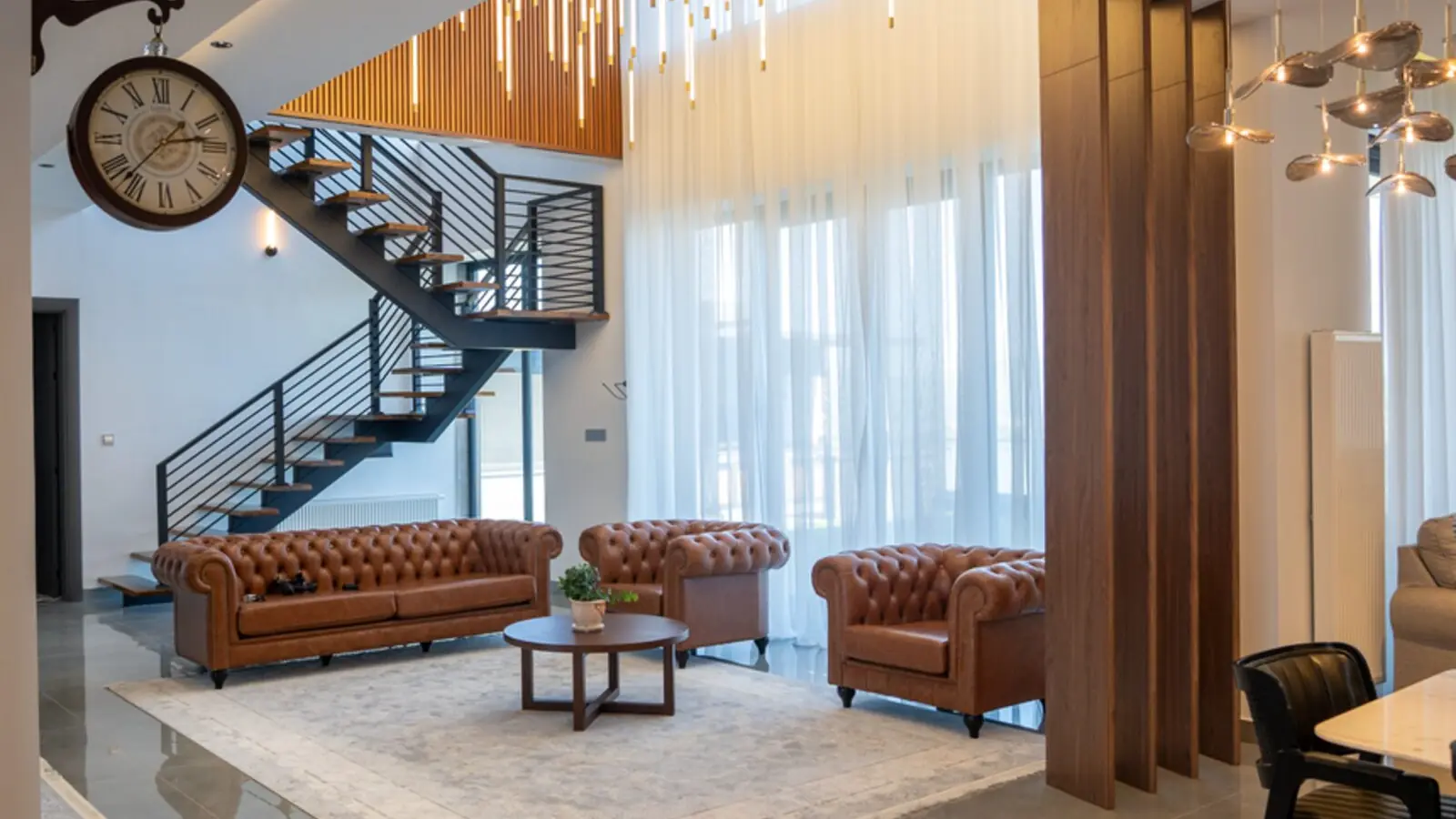
Sector 97, Noida
3, 4 BHK • Price on request
6-acre expressway-facing luxury address
Sector 69, Gurugram
3, 4 BHK • Price on Request
ELIE SAAB signature branded residences
Sector 67A, Gurgaon
2, 3 BHK • Rs 2.40 Cr onwards
6-acre pre-launch development
For information only — this is not an offer and creates no obligation. Prices, layouts, and photos are indicative and can change anytime. Do your own verification before making a decision. About · Projects
Share your details and our expert will call you back.