17,724 crore Purple Line slashes commute time by 50% across MMR
Explore Now<p>In a landmark move, the Maharashtra government has approved the ambitious Metro Line 13 (Purple Line) project in August 2026, opening doors for unprecedented connectivity and real estate growth in the northern suburbs. The 25.03-km corridor will be implemented by the Mumbai Metropolitan Region Development Authority (MMRDA) at an estimated cost of Rs 17,724.99 crore. This transformative infrastructure project is set to reshape the real estate landscape across Vasai-Virar, Mira-Bhayandar, and surrounding areas.</p><p><strong>The Project at a Glance</strong></p><p>The project will have 16 stations, including 13 elevated and three underground stations, connecting key areas including Mira Road, Naigaon, Vasai, Nalasopara and Virar. Of the total corridor, 21.78 km will be elevated while 3.25 km will run underground. One of the key features of the project will be a 4.92-km-long six-lane road-cum-metro bridge over Vasai Creek, connecting Paanju Island. The technical complexity and scale of this project underscores its significance as a game-changer for regional mobility.</p><p><strong>Massive Time Savings for Commuters</strong></p><p>According to the government, the corridor is expected to reduce travel time by nearly 50 per cent compared with road travel, lower dependence on private vehicles and traffic on major national highways, and reduce carbon emissions. For professionals working in central Mumbai, this means cutting daily commute hours significantly. It will also improve connectivity between Vasai-Virar, Mira-Bhayandar, Mumbai suburbs and industrial and logistics hubs. This connectivity bonus positions Vasai-Virar as an attractive destination for working-age professionals and families seeking affordable living without sacrificing accessibility.</p><p><strong>Real Estate Boom Incoming</strong></p><p>Metro connectivity is consistently one of the strongest drivers of property appreciation. Metro connectivity often increases the value of nearby residential and commercial properties. Areas close to the 16 proposed metro stations are likely to witness rapid real estate development. Industry experts are already bullish on the timing. Property prices in Vasai-Virar have been steadily rising, with experts predicting a 10-15% annual appreciation in the coming years. Those considering Vasai-Virar as an investment destination should note plot values near stations could see a 15% boost, especially in Virar East and Naigaon, driving demand for residential and commercial spaces.</p><p><strong>Why Homebuyers Should Pay Attention Now</strong></p><p>One of the biggest draws of Vasai-Virar is its affordable housing options. Compared to the exorbitant prices in central Mumbai, Vasai-Virar offers budget-friendly homes without compromising on quality. 1 BHK flats start at around ₹35 lakhs, while 2 BHK apartments start at around ₹50 lakhs. Combined with metro connectivity, affordability becomes a rare value proposition in the MMR market. With upcoming Mumbai Metro Line 13, the Virar-Alibaug Multimodal Corridor (VAMC), new expressway linkages, and the growth of nearby logistics hubs the Vasai-Virar region is transforming into a well connected, high potential real estate zone.</p><p><strong>The Bigger Picture: Regional Development</strong></p><p>Industry experts now refer to the Vasai-Virar belt as the "Fourth Mumbai," following the footprints of Navi Mumbai and Thane. The Purple Line is not operating in isolation—it's part of a broader infrastructure push that includes the Virar-Alibaug Multimodal Corridor and improved highway connectivity. Infrastructure projects like metro connectivity often lead to economic growth. Improved transportation attracts new businesses, boosts commercial activity, and creates job opportunities. Vasai–Virar can expect increased investments, better retail growth, and expansion of local enterprises once the metro becomes operational. This economic multiplier effect typically translates to sustained property value growth beyond the initial metro-announcement surge.</p>
Sector 111, Dwarka Expressway, Gurugram
2.5, 3.5 BHK • Price on Request
Low-rise floors on Dwarka Expressway
Sector 128, Noida
3, 4 BHK • Price on Request
73-acre pre-launch on Noida Expressway
Sector 62, Golf Course Extension Road, Gurugram
2.5, 3 BHK • Rs 3.30 Cr onwards
Upcoming luxury launch off Golf Course Extension Road
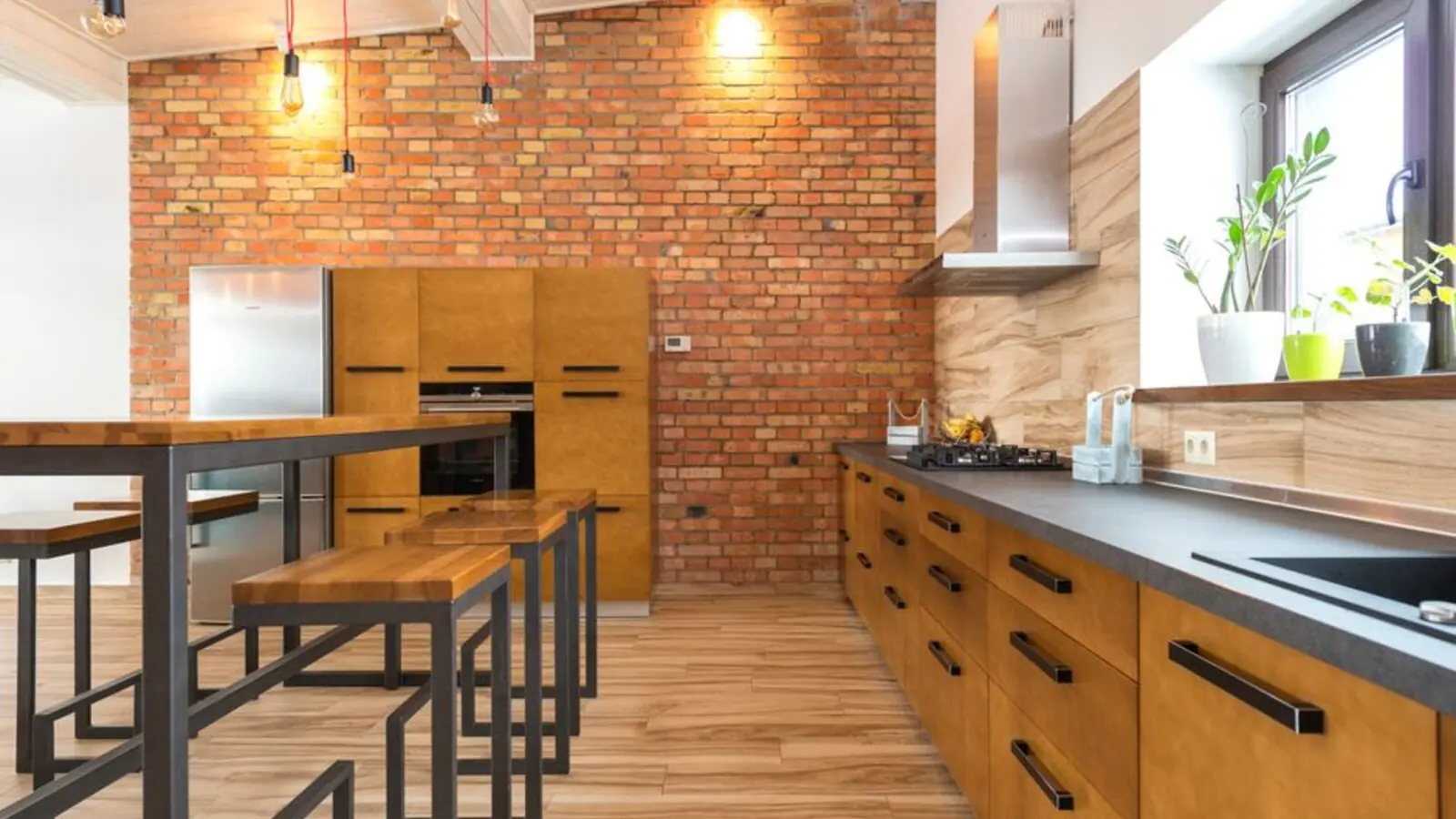
Sector 94, Noida
2, 3, 4 BHK • Price on Request
Pre-launch high-rise on Noida Expressway
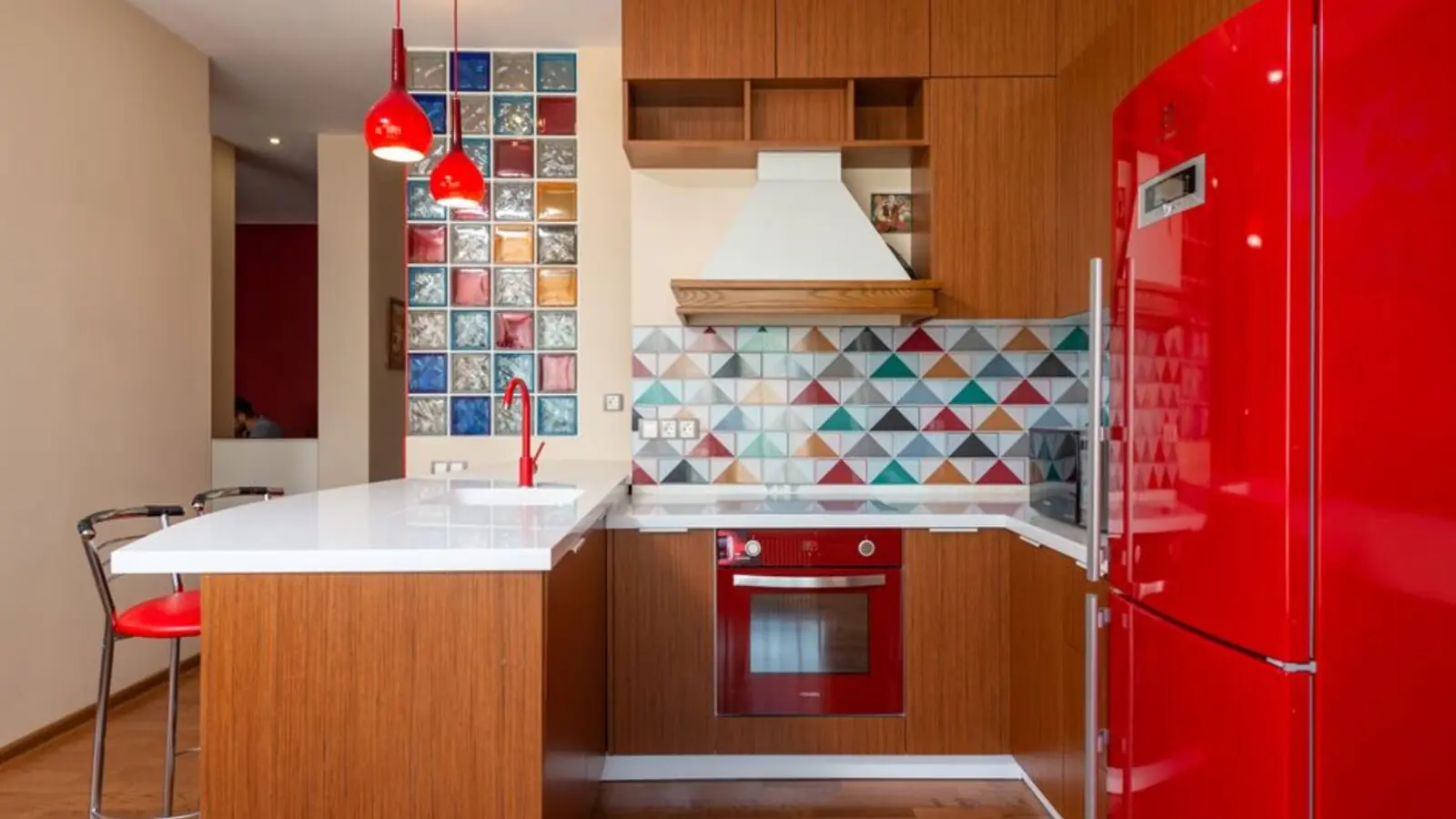
Sector 96, Noida
3, 4 BHK • Rs 3.50 Cr onwards
Upcoming expressway-facing luxury towers
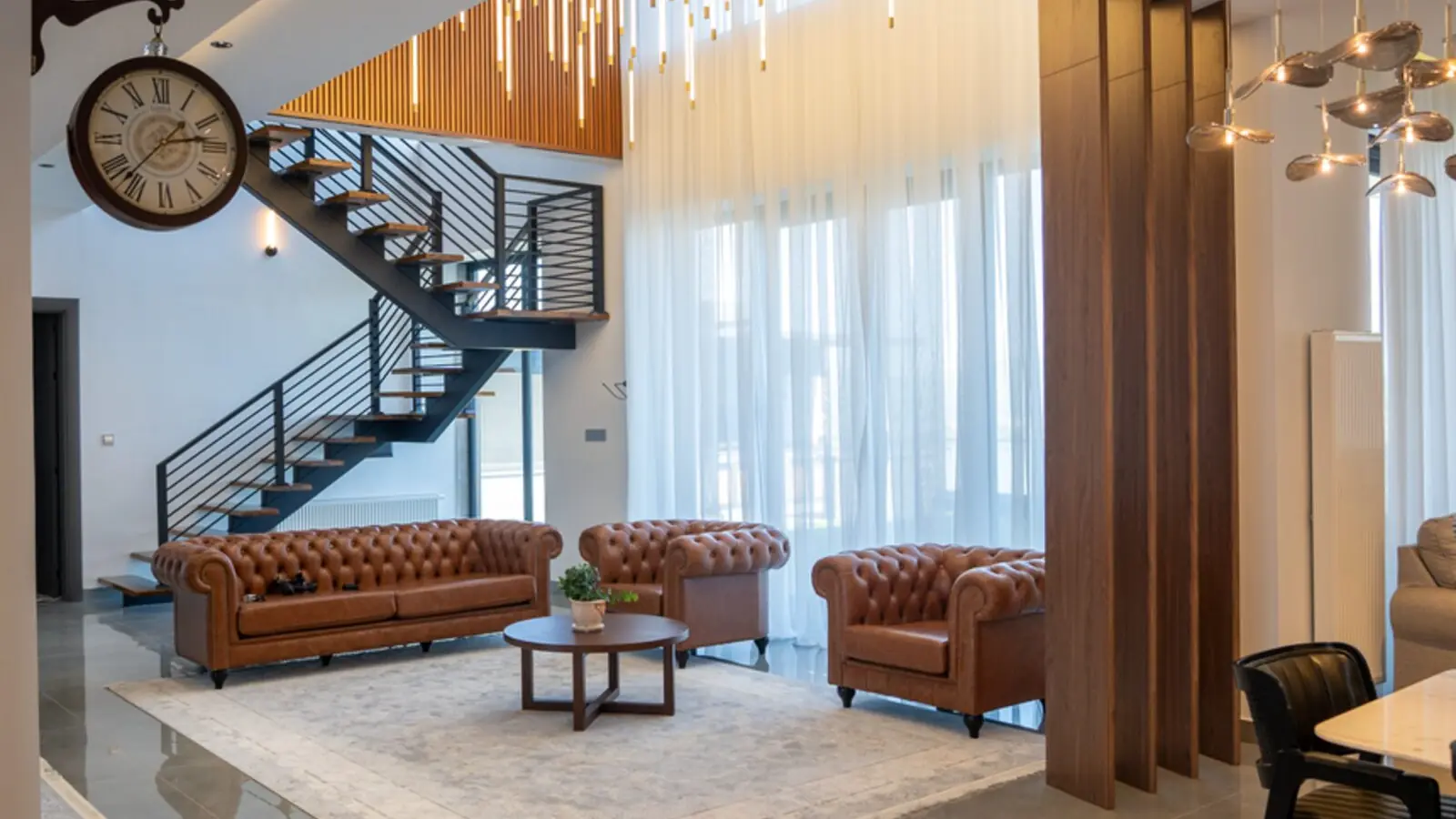
Sector 97, Noida
3, 4 BHK • Price on request
6-acre expressway-facing luxury address
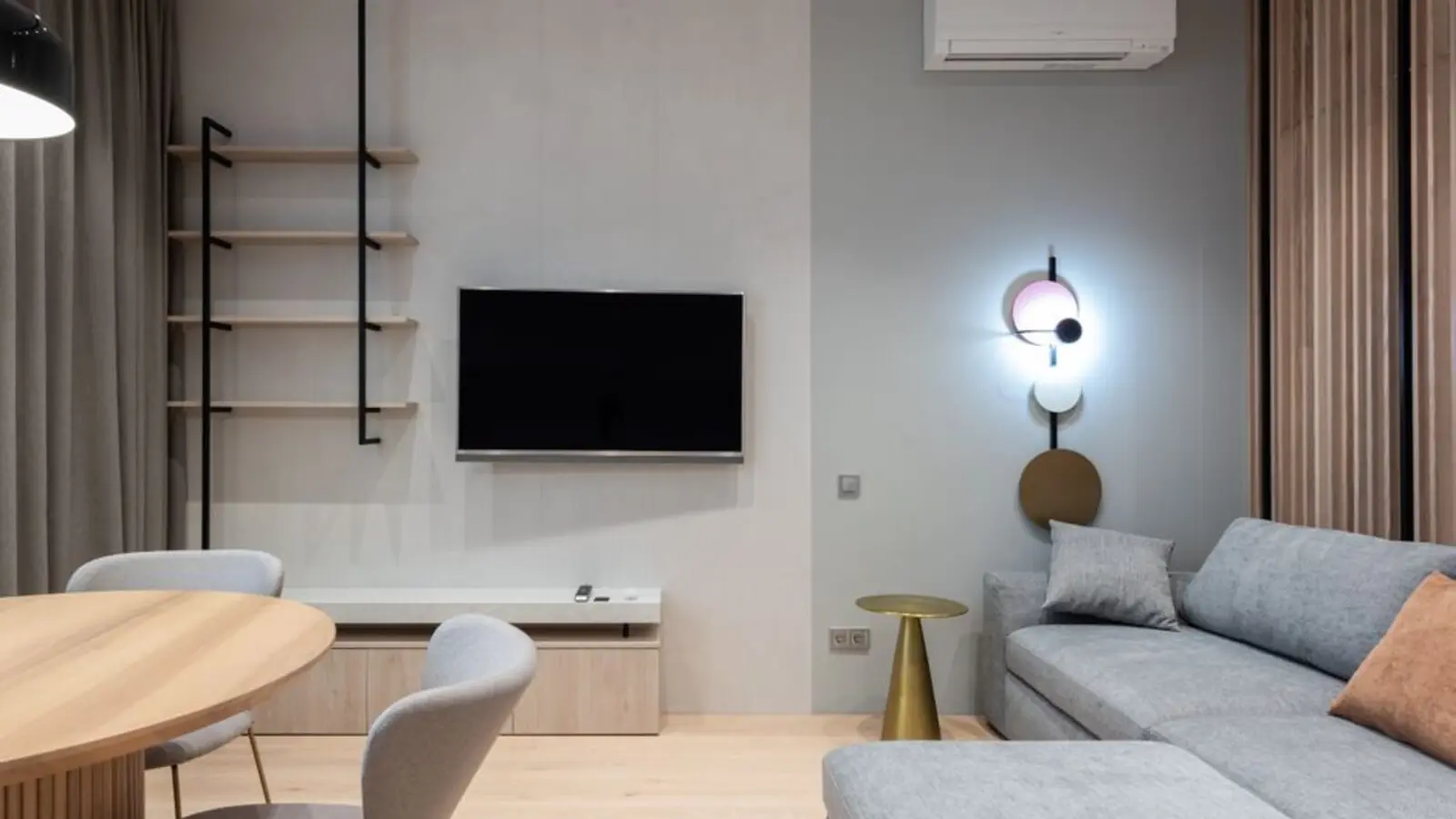
Sector 69, Gurugram
3, 4 BHK • Price on Request
ELIE SAAB signature branded residences
Sector 67A, Gurgaon
2, 3 BHK • Rs 2.40 Cr onwards
6-acre pre-launch development
For information only — this is not an offer and creates no obligation. Prices, layouts, and photos are indicative and can change anytime. Do your own verification before making a decision. About · Projects
Share your details and our expert will call you back.