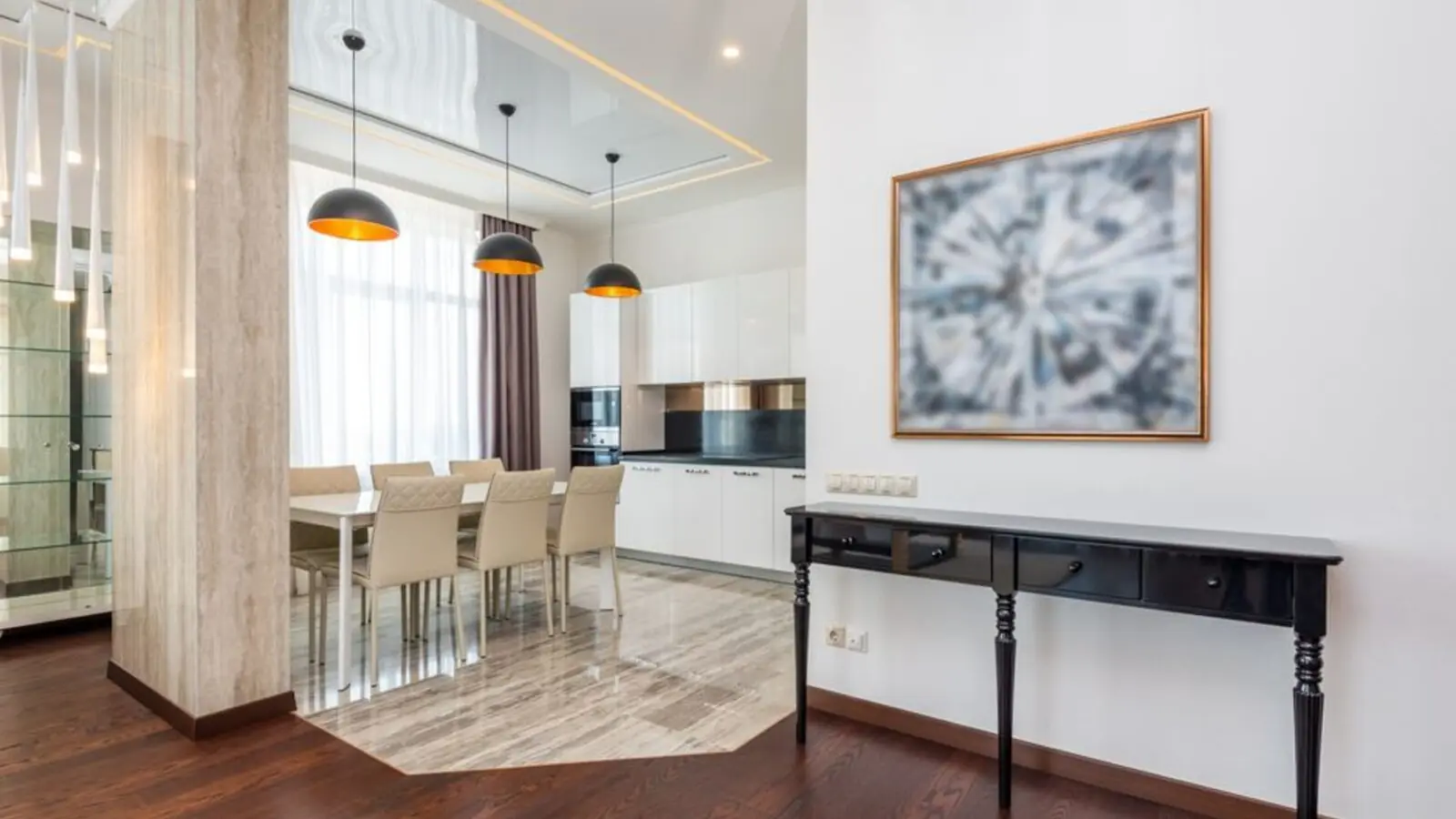
Rails are coming to Dwarka Expressway — smart buyers are moving before the price re-rate.
Explore NowDwarka Expressway just got another reason to stay on every serious homebuyer's radar. A Blue Line extension from Dwarka Sector 21 toward Kherki Daula is slated in the 2026-27 window. For a corridor that has already rewritten Gurugram's real estate map with an eight-lane expressway, this rail link is being called the next structural trigger for prices.
The scale of what's already happened here explains why this news matters. Dwarka Expressway in Gurugram has witnessed a 153 per cent surge in property prices over the last five years, driven by sustained housing demand, launch of premium residential units, and rapid infrastructure growth on the 29-km corridor connecting Dwarka in Delhi to Kherki Daula Toll Plaza in Gurugram. Some analysts peg the run-up even higher: average property prices have risen over 3.5 times in the past five years, climbing from around ₹6,300 per sq.ft. in 2020 to approximately ₹21,700-₹24,000 per sq.ft. in 2025. Whichever number you go by, the direction is unmistakable — and industry voices believe the metro is the next lever. Ashok Kapur, Chairman, Krishna Group and Krisumi Corporation, noted that property prices on Dwarka Expressway have more than doubled over the past five years as a natural outcome of rapid infrastructure development, adding that upcoming projects like tunnels and metro corridors position the region for even stronger growth.
What exactly is being built? The Blue Line extension from Dwarka Sector 21 to Kherki Daula will connect Dwarka Expressway directly to Delhi Metro, and this is confirmed for 2026-27. This runs alongside a separate but complementary metro project — a loop connecting Old Gurgaon to the expressway. That project is a 26.65 km loop with 27 stations serving Old Gurgaon, connecting from Millennium City Centre and including a 1.85 km spur from Basai to the Dwarka Expressway at Sector 101. Together, these two rail interventions mean the far end of the expressway near Kherki Daula — historically the corridor's most affordable stretch — will finally get direct metro access to both Delhi and central Gurugram.
The timeline deserves a realistic read. Metro projects run on government time, not brochure time — civil work on the corridor is progressing, but a line of this size typically takes four to five years from ground-breaking to passengers. That said, real estate pricing rarely waits for the ribbon-cutting. Prices along Delhi's earlier metro lines have historically moved in two steps: once when pillars became visible, and again when trains started running. For buyers watching Kherki Daula-adjacent sectors, this suggests the current entry window — before visible construction accelerates — could be the more attractive one.
What kind of appreciation are analysts pencilling in? Market experts project roughly 15 to 20 percent appreciation for sectors along the line, with Old Gurgaon and the expressway spur pockets best placed. A separate market read on the far end of the expressway echoes this. Sectors 102, 103, 104, and 109 are expected to see another 15-20% appreciation once metro operations begin. Pricing data backs the value argument for buying now: sectors closer to Kherki Daula toll currently range between Rs 6,500 to Rs 9,000 per sq ft, further down the expressway where infrastructure is still developing but prices remain more accessible. Compare that to the average rate for high-rise apartments in the broader region, which currently stands at Rs 14,342 per sq. ft., according to MagicBricks, and the price gap between Kherki Daula's sectors and the more mature stretches of the corridor becomes obvious.
Metro connectivity isn't arriving in isolation. Other infrastructure pieces are stacking up on the same 2026-27 timeline. Two flyovers at Ambedkar Chowk and Dadi Sati Chowk aim to decongest the corridor by mid-2027, while toll relocation at Kherki Daula to Pachgaon is planned by early 2026, delivering toll relief for commuters. A tunnel project is also in the pipeline: a 5-km underground tunnel project worth Rs 35 billion has been proposed by NHAI to connect Shiv Murti-Mahipalpur near Dwarka Expressway to Nelson Mandela Road in Vasant Kunj. Each of these, on its own, is incremental — but stacked together with the metro, they compound into a meaningfully shorter commute to Delhi and central Gurugram from sectors that were, until recently, considered peripheral.
For homebuyers, the practical takeaway is straightforward. Corridors that combine an already-operational expressway, upcoming direct rail access, and comparatively lower entry prices tend to see the sharpest re-rating once the infrastructure story becomes visible on the ground. Kherki Daula-adjacent sectors on Dwarka Expressway currently check all three boxes — and that combination is exactly why analysts are flagging this stretch as one to watch through 2026 and 2027.
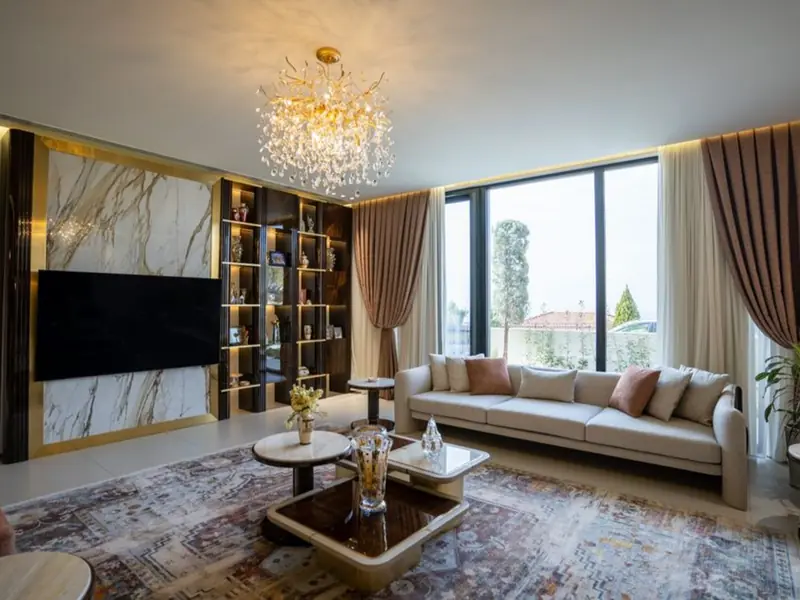
Sector 111, Dwarka Expressway, Gurugram
2.5, 3.5 BHK • Price on Request
Low-rise floors on Dwarka Expressway
Sector 128, Noida
3, 4 BHK • Price on Request
73-acre pre-launch on Noida Expressway
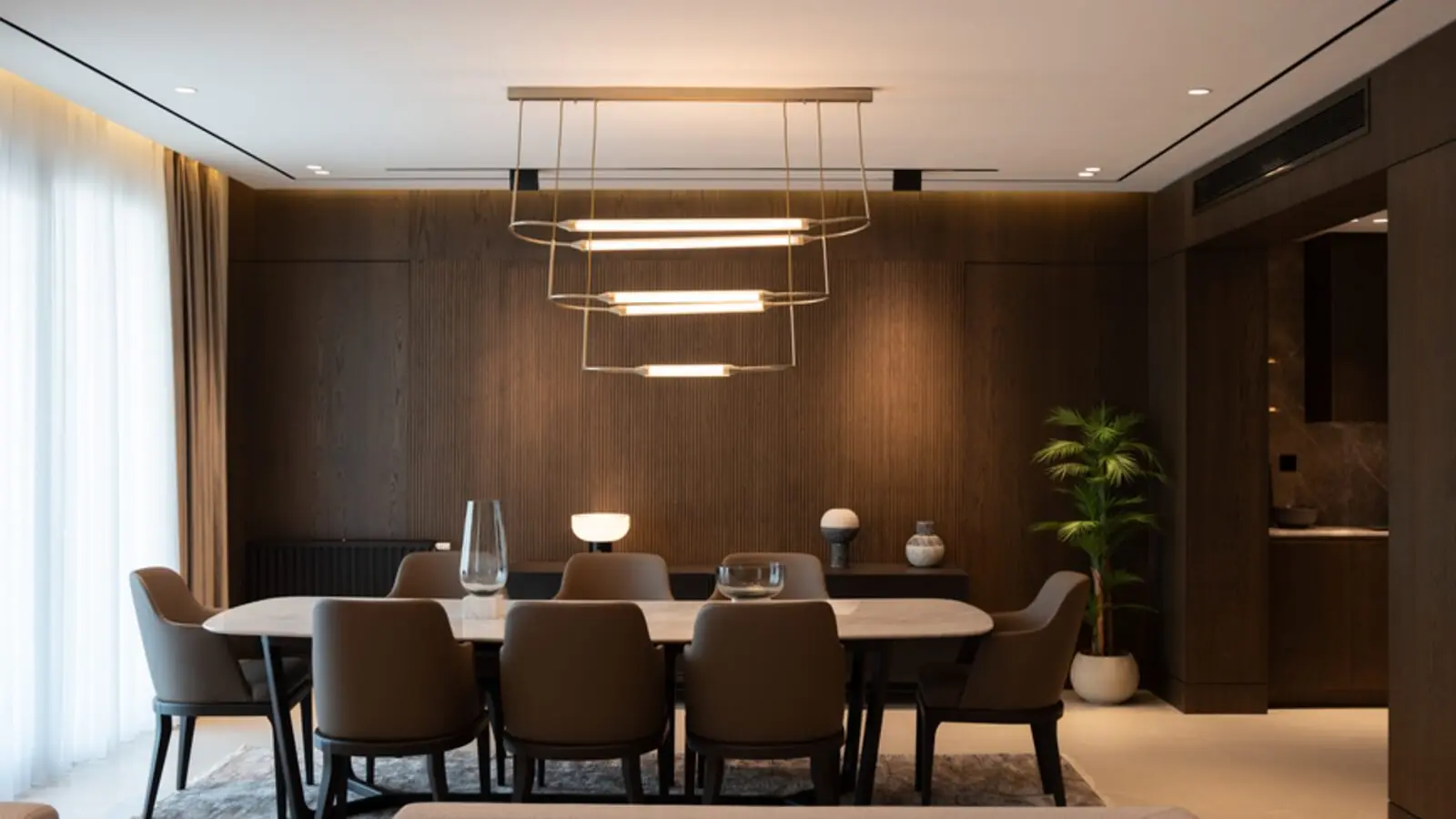
Sector 62, Golf Course Extension Road, Gurugram
2.5, 3 BHK • Rs 3.30 Cr onwards
Upcoming luxury launch off Golf Course Extension Road
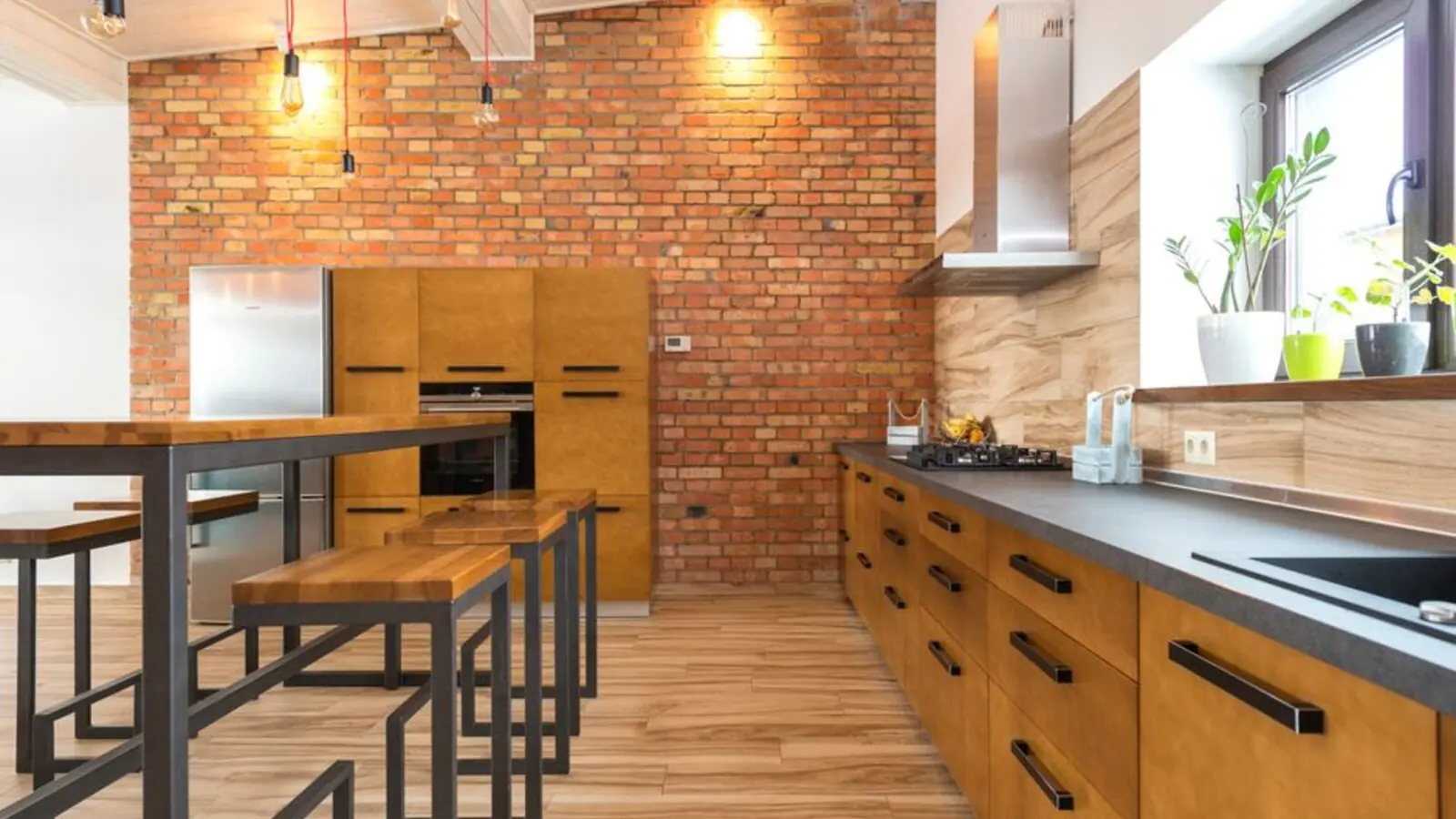
Sector 94, Noida
2, 3, 4 BHK • Price on Request
Pre-launch high-rise on Noida Expressway
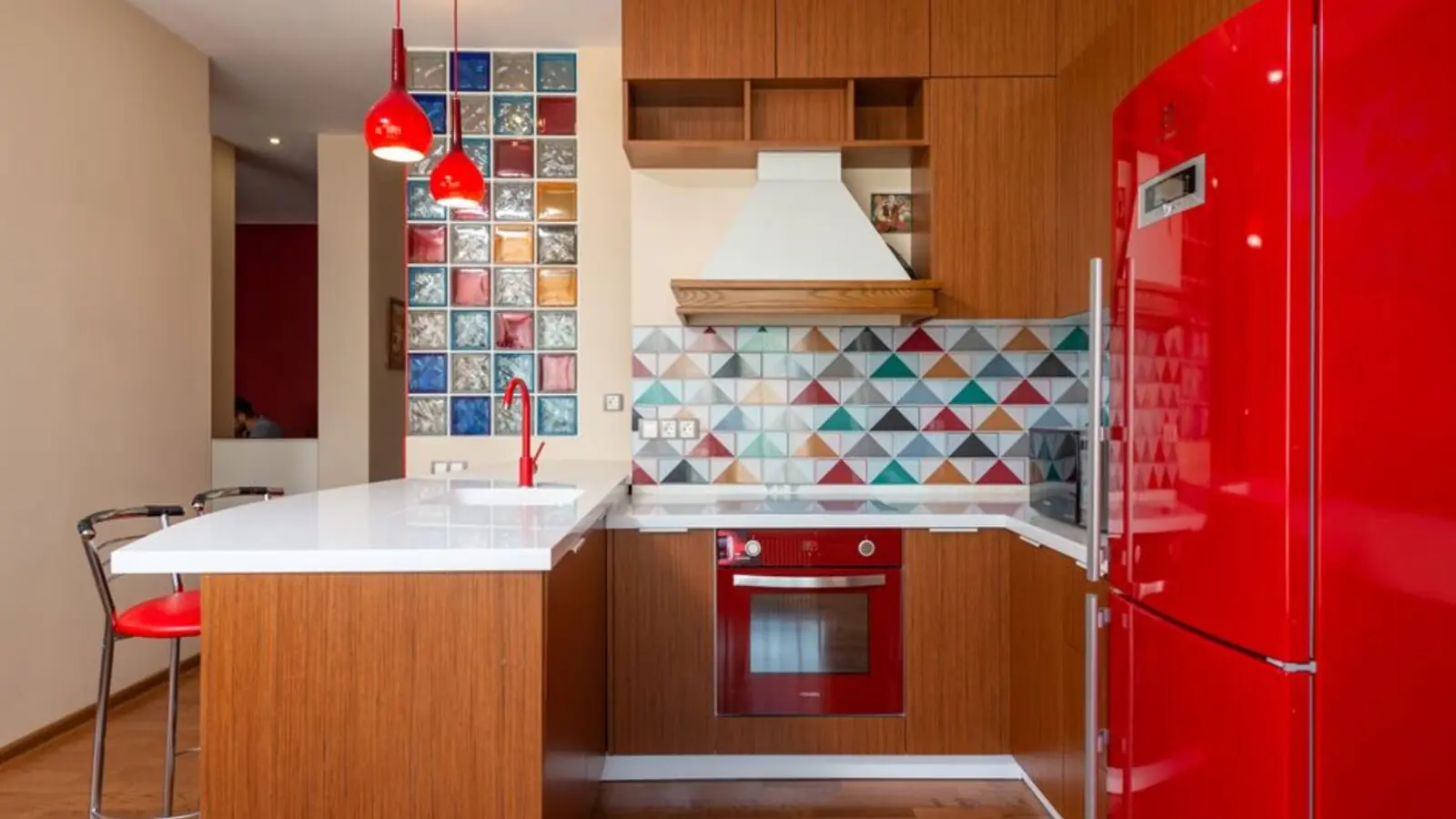
Sector 96, Noida
3, 4 BHK • Rs 3.50 Cr onwards
Upcoming expressway-facing luxury towers
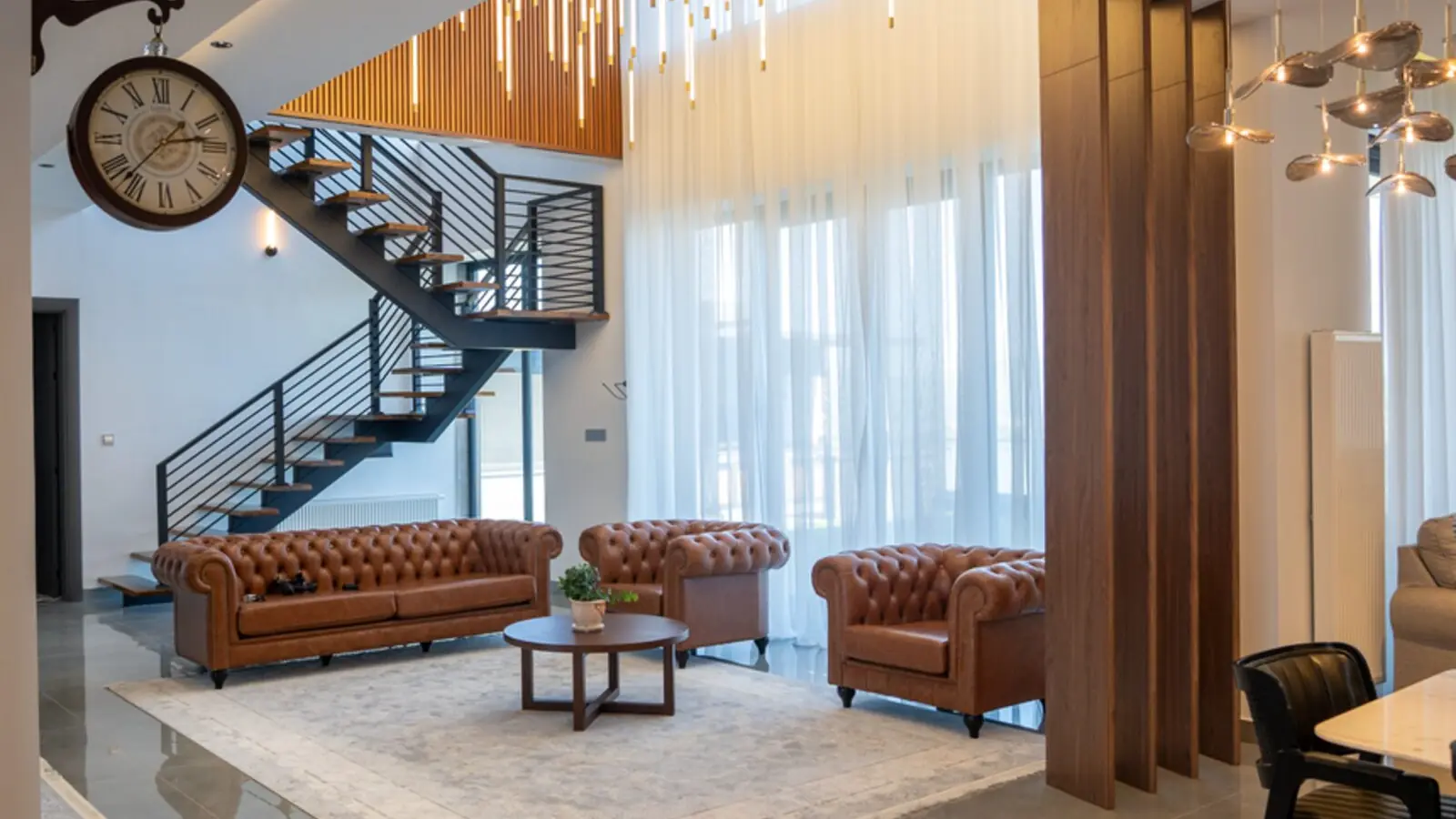
Sector 97, Noida
3, 4 BHK • Price on request
6-acre expressway-facing luxury address
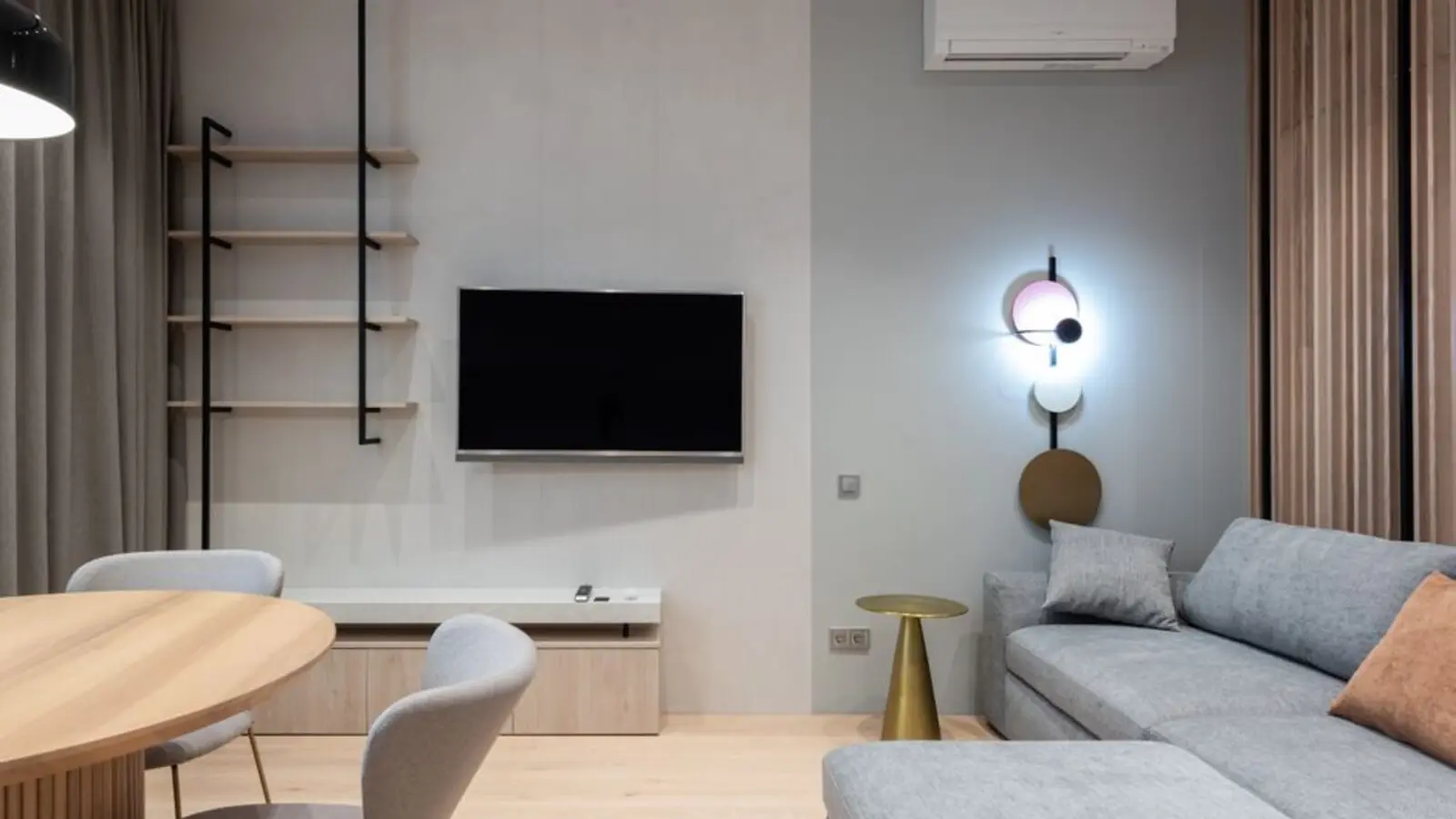
Sector 69, Gurugram
3, 4 BHK • Price on Request
ELIE SAAB signature branded residences
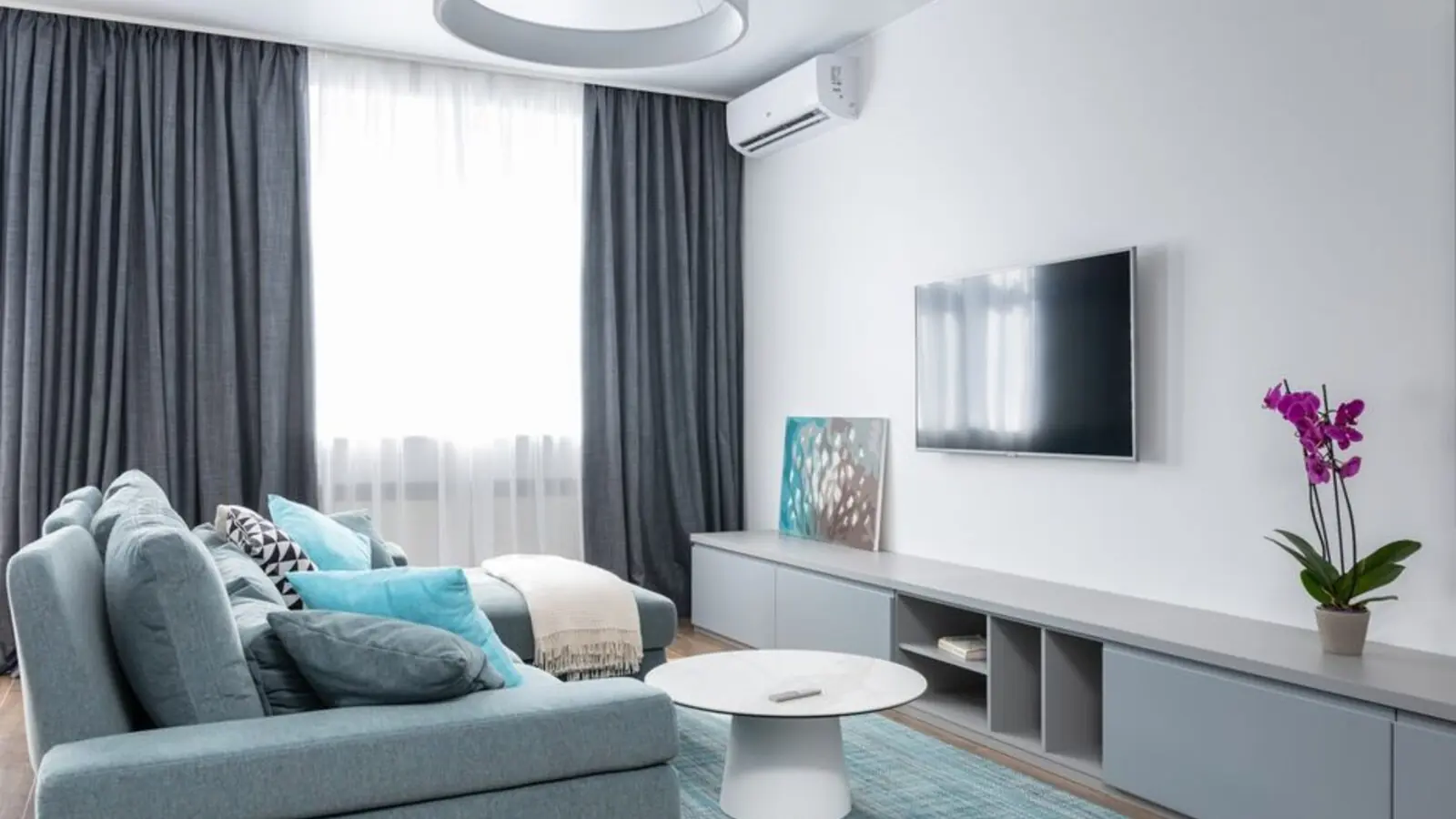
Sector 67A, Gurgaon
2, 3 BHK • Rs 2.40 Cr onwards
6-acre pre-launch development
For information only — this is not an offer and creates no obligation. Prices, layouts, and photos are indicative and can change anytime. Do your own verification before making a decision. About · Projects
Share your details and our expert will call you back.