Steady demand, smarter buyers, bigger homes — Pune's 2026 market decoded for you.
Explore NowPune's property market enters 2026 in a phase best described as consolidation rather than a slowdown. Pune's real estate market in 2026 reflects a consolidation phase after a strong growth cycle, with residential sales seeing a marginal dip of around 3 percent in 2025, reaching about 50,800 units, as buyers became more selective amid rising prices. Yet demand fundamentals remain intact: property registrations crossed 1.44 lakh between January and August 2025, showing a 13 percent annual increase according to JLL, indicating continued end-user-driven growth. The start of 2026 did show some short-term friction — property registrations declined by 17% year-on-year to 14,527 units in January 2026 compared to 17,449 units in January 2025, while stamp duty collections fell by 5% to ₹609 crore, as per data from the Inspector General of Registration and Controller of Stamps, Maharashtra. On a more encouraging note, month-on-month numbers showed signs of recovery, with registrations rising from 12,079 in December 2025 and stamp duty collections increasing from ₹444 crore, indicating renewed activity entering the new year.
Buyer preferences are visibly shifting upmarket. The most prominent shift is the move towards larger homes, with 3 and 4BHK units moving up from 20% to 29% of new launches in 2025, reflecting post-pandemic lifestyle changes as homebuyers prioritise dedicated workspaces and family areas. Premiumisation is equally striking — homes priced between ₹1–2 crore witnessed nearly 300% growth in units sold since 2021, as homebuyers increasingly invest in quality construction, reputed builders, and lifestyle amenities. This is echoed at the pan-India level too, where residential real estate is showing a pronounced shift in buyer preferences with declining demand for sub-INR 10 million housing and a growing affinity for high-value homes, which has become the primary driver of overall housing sales growth.
Prices reflect this steady, demand-backed appreciation rather than speculative spikes. Residential prices increased by around 5 percent year-on-year in 2025, reaching an average of ₹5,016 per sq ft, with market research reports also indicating overall capital value growth of about 6 percent annually across key micro-markets, according to JLL. Rentals are climbing too — rental values have seen a steady increase of nearly 2.8 percent year-on-year, driven by demand near commercial hubs, with IT professionals forming a major share of tenants near office clusters, ensuring consistent occupancy and stable rental income. In hotspots like Hinjewadi, rents rose roughly 7–9 percent in early 2025, with 2 BHK flats in Hinjewadi Phase 3 fetching about ₹22,000–28,000 per month and very low vacancy.
Across the city, specific micro-markets are pulling ahead. Locations like Mahalunge and Punawale are benefiting from spillover demand from Baner and Wakad, witnessing increased interest in township developments. Meanwhile, Moshi, Wagholi, and Undri are attracting first-time buyers due to lower entry prices and improving infrastructure, backed by planned development and expanding connectivity, and are expected to become strong residential zones with steady appreciation over time. On the western corridor, Hinjewadi remains vital to Pune's real estate market as home to over 1,100 companies that create steady housing demand, with land prices here having jumped 120% in the last five years. Further out, the PCMC belt is drawing serious attention — capital values across key micro-markets are expected to grow steadily, with IT-connected and metro-adjacent zones leading appreciation, and the PCMC belt — particularly Tathawade, Punawale, and Marunji — emerging as the most compelling zone for buyers seeking both current yield and forward appreciation.
Infrastructure remains the single biggest swing factor for Pune's property values. Two mega-projects are converging this year: the Ring Road and Metro Line 3. The Pune Ring Road is expected to be ready by December 2026 and will spread across a stretch of 170 km. This circular corridor is unlocking fresh appreciation potential — for capital appreciation, the conversation shifts to the Ring Road belt, with Wagholi, Bhugaon, Kiwale and parts of Manjari likely to see meaningful re-rating as the Ring Road and supporting connectivity get fully delivered, meaning buyers entering these markets in 2026 are buying ahead of that re-rating, not after it. On the metro front, Maharashtra CM Devendra Fadnavis has instructed PMRDA to expedite completion of Pune Metro Line 3, targeting full readiness by March 2026, with the Hinjewadi–Shivajinagar corridor spanning 23 km developed to improve connectivity between Pune's IT hub and the city centre. Further out, the long-pending Purandar Airport is also gaining ground, with around 94 to 96 percent of farmers and landowners from seven villages in Purandar taluka having given consent, and officials noting the airport will boost industrial development and could increase Pune district's GDP by nearly 2 percent. Housing demand is already responding to this momentum: areas such as Ambegaon, Hinjewadi, Moshi, Chakan, Chikhli, Pirangut, and Wagholi are seeing strong buyer interest, with demand up by over 15 percent in Hinjewadi and more than 13 percent in Ambegaon compared to last year.
The commercial backdrop is equally supportive of residential demand. The office market hit historic highs in 2025 with annual gross leasing volume reaching 9.9 MSF, showing strong commercial sector performance that usually drives up residential demand. At the national level, housing sales across India's top seven cities remained heavily concentrated in Bengaluru, Mumbai, Pune, and Delhi NCR during Q1 2026, with these four cities capturing approximately 77% of the total 70,631 units sold, an 8% year-on-year rise that reversed the decline seen in Q1 2025.
Of course, no market outlook is complete without acknowledging the risks. Water scarcity is a serious problem in parts of East Pune such as Kharadi, Keshavnagar, and Wagholi, where many societies depend on expensive tanker water, and in merged villages around PMC limits, property tax rules remain in flux, creating uncertainty for owners who feel they pay city-level taxes but still live with semi-rural infrastructure. Homebuyers should factor these civic realities alongside price and connectivity before finalising a locality. Overall, though, the story for 2026 is one of a market growing up — Pune's property market has entered what seasoned observers call a quality cycle, where the frenetic volume growth of recent years has given way to something more selective, with location, developer reputation, and lifestyle infrastructure mattering far more than before — not a slowdown, but a sign of a market growing up.
Sector 111, Dwarka Expressway, Gurugram
2.5, 3.5 BHK • Price on Request
Low-rise floors on Dwarka Expressway
Sector 128, Noida
3, 4 BHK • Price on Request
73-acre pre-launch on Noida Expressway
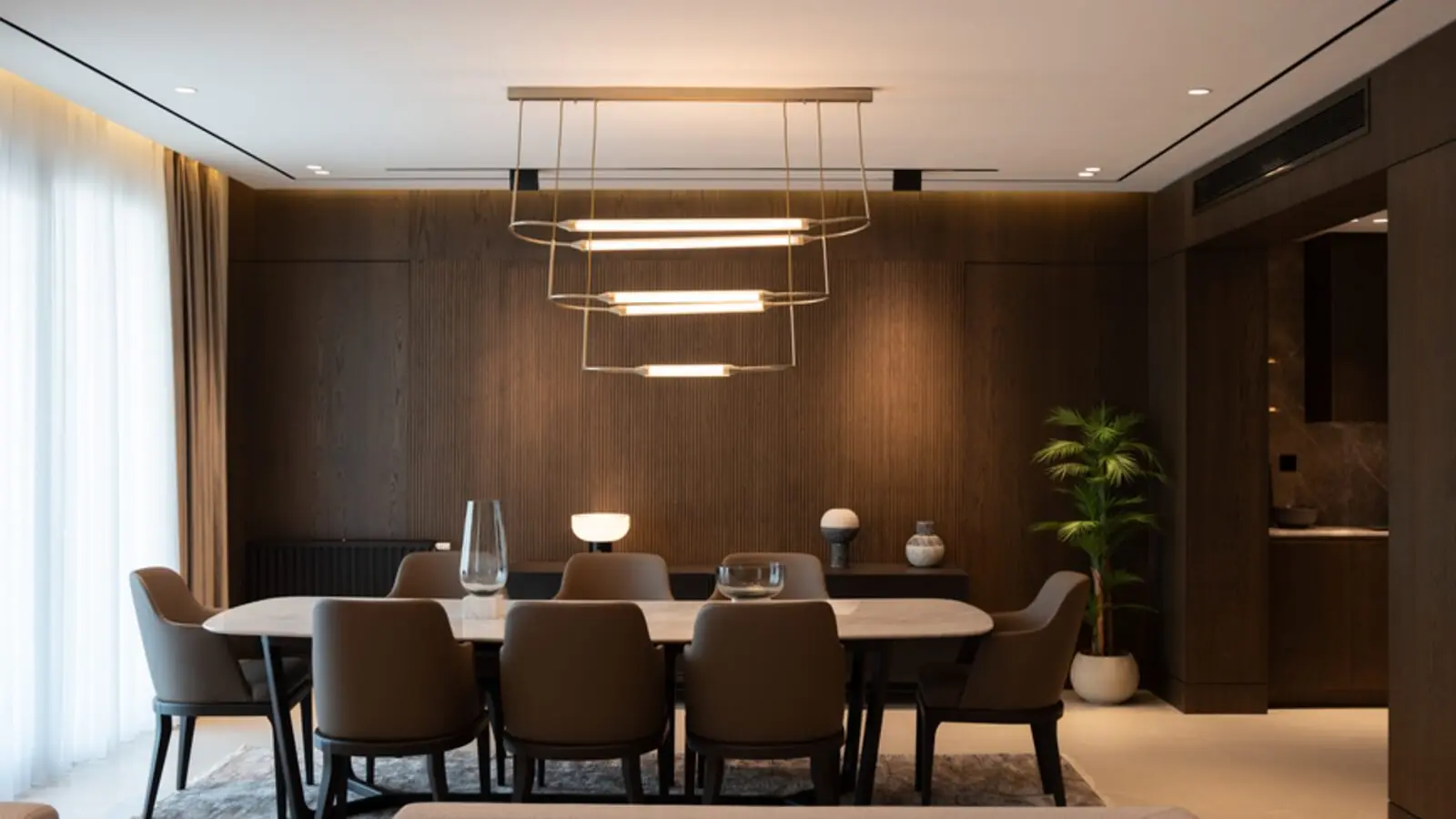
Sector 62, Golf Course Extension Road, Gurugram
2.5, 3 BHK • Rs 3.30 Cr onwards
Upcoming luxury launch off Golf Course Extension Road
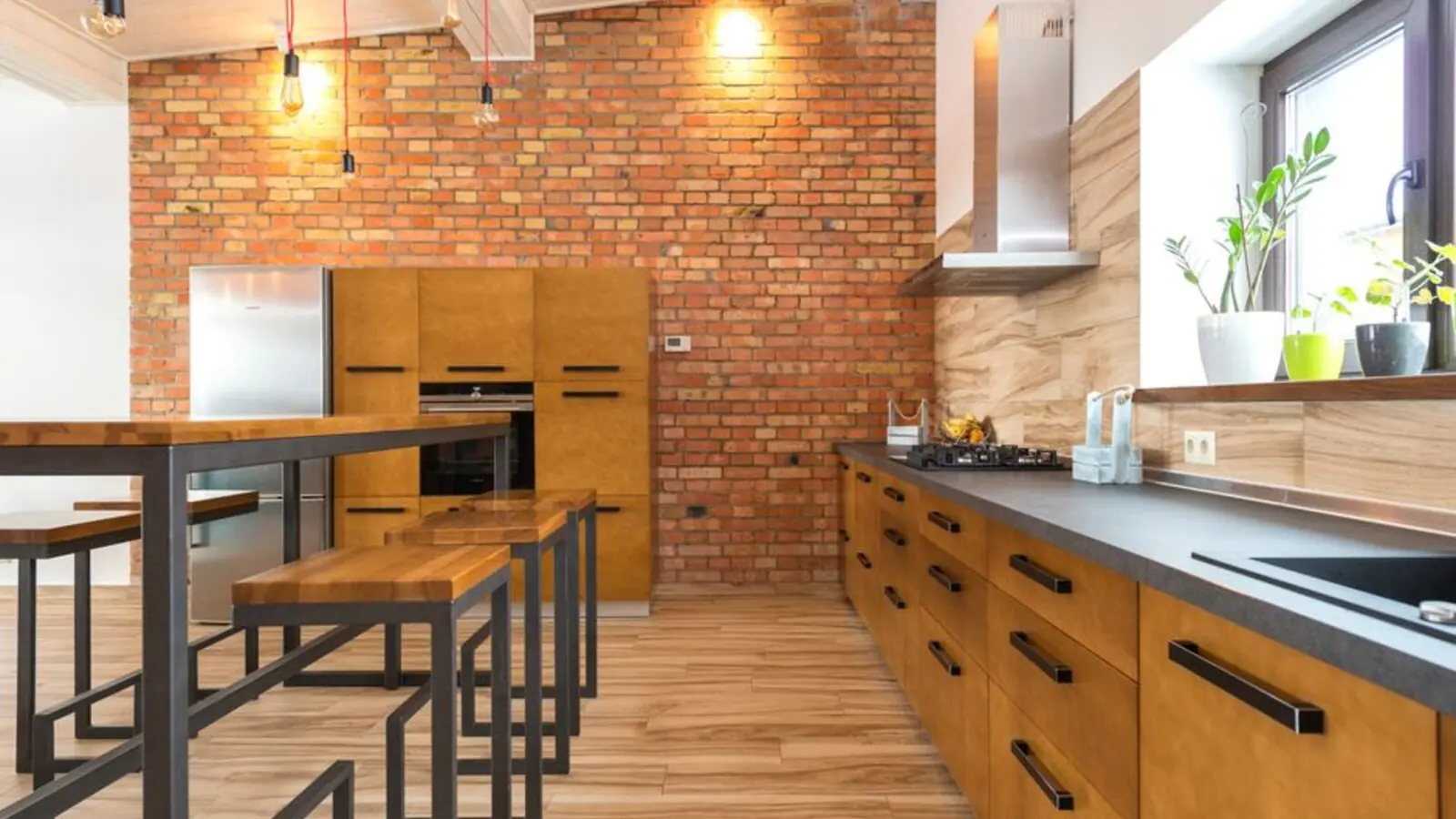
Sector 94, Noida
2, 3, 4 BHK • Price on Request
Pre-launch high-rise on Noida Expressway
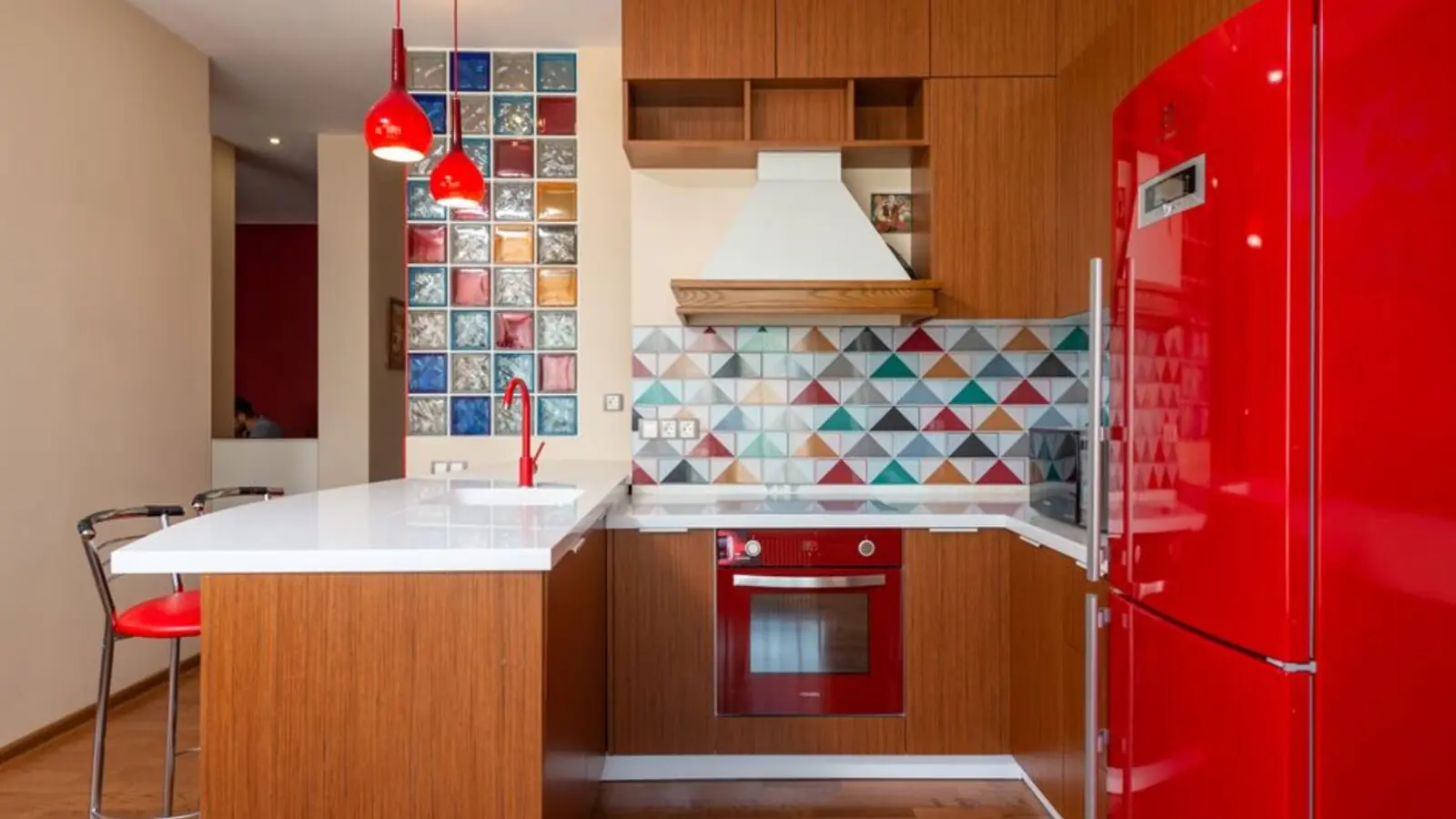
Sector 96, Noida
3, 4 BHK • Rs 3.50 Cr onwards
Upcoming expressway-facing luxury towers
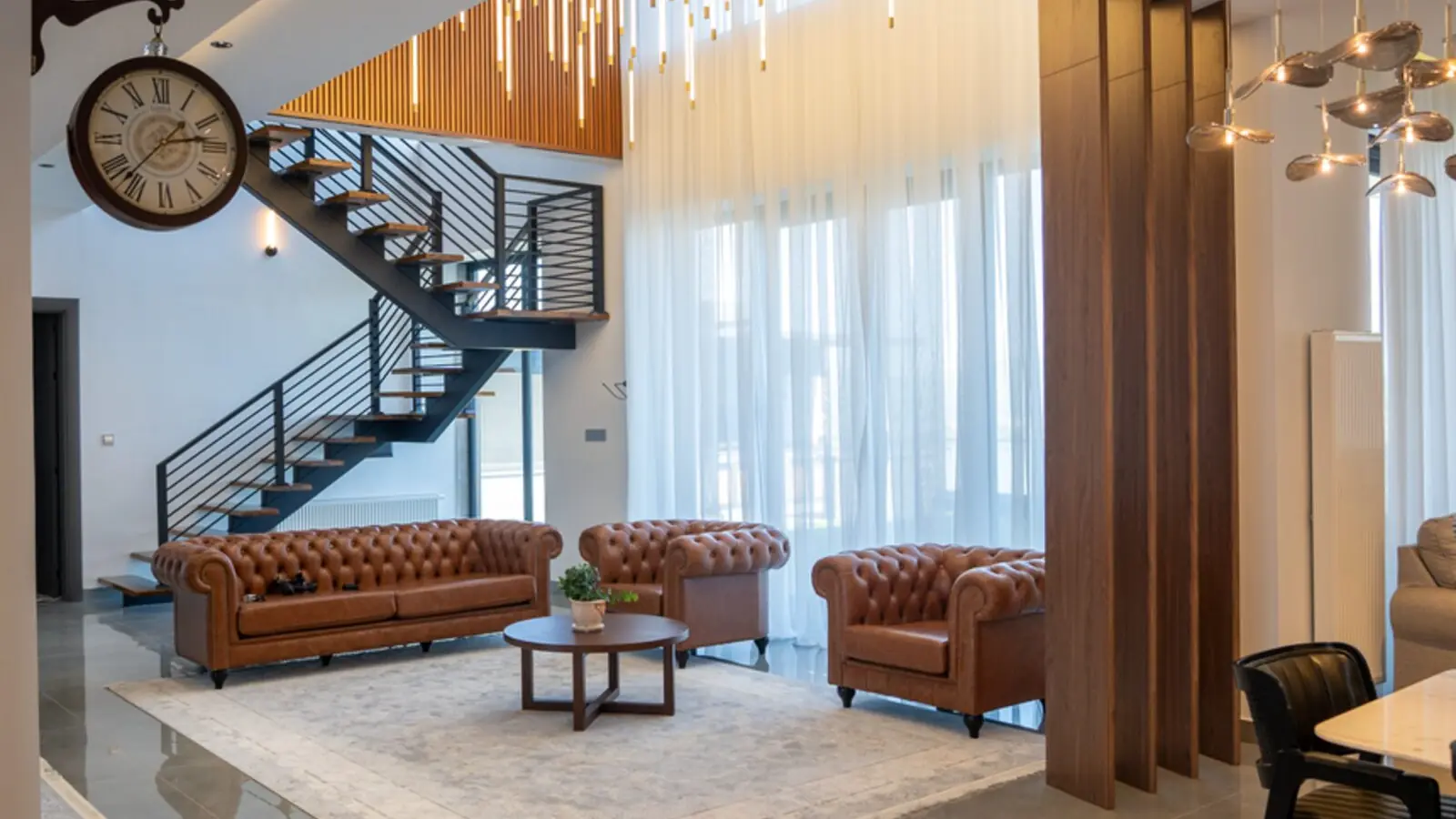
Sector 97, Noida
3, 4 BHK • Price on request
6-acre expressway-facing luxury address
Sector 69, Gurugram
3, 4 BHK • Price on Request
ELIE SAAB signature branded residences
Sector 67A, Gurgaon
2, 3 BHK • Rs 2.40 Cr onwards
6-acre pre-launch development
For information only — this is not an offer and creates no obligation. Prices, layouts, and photos are indicative and can change anytime. Do your own verification before making a decision. About · Projects
Share your details and our expert will call you back.